Kampung Talang Cannon: A Tradition That Shakes Up Raya Eve
Kampung Talang Cannon: A Tradition That Shakes Up Raya Eve
Behind the hustle and bustle of modern cities, there are still corners of rural Malaysia that firmly uphold ancestral heritage. One of them is located in Kuala Kangsar, Perak—a small village called Kampung Talang, which every year rocks the night of Aidilfitri with the thunderous booms of iron cannons that shake the heavens. This unique tradition is not just a game, but has become an identity and a source of pride for the local residents for nearly nine decades.
The Origins of the Talang Cannon: A Thunderous Voice from the 1930s
Starting in 1937, the Meriam Talang tradition was pioneered by a group of village youths who wanted to create excitement on Raya night. Initially, they used bamboo stalks obtained from nearby areas, paired with carbide—a chemical commonly used by farmers to accelerate fruit ripening. The first explosions produced might not have been as loud as they are today, but they were enough to startle the entire village and spark a tradition that has lasted to this day.
According to Pak Hasan, one of the Meriam Talang veterans, this activity was initially carried out secretly in the forest area near his grandfather's house. At that time, no one expected that an activity started as light entertainment would turn into an annual event awaited by thousands. From generation to generation, the knowledge of making these cannons was passed down, and every time Ramadan arrives, the villagers prepare with the necessary materials.
Evolution from Bamboo to Iron: Changes That Bring Safety
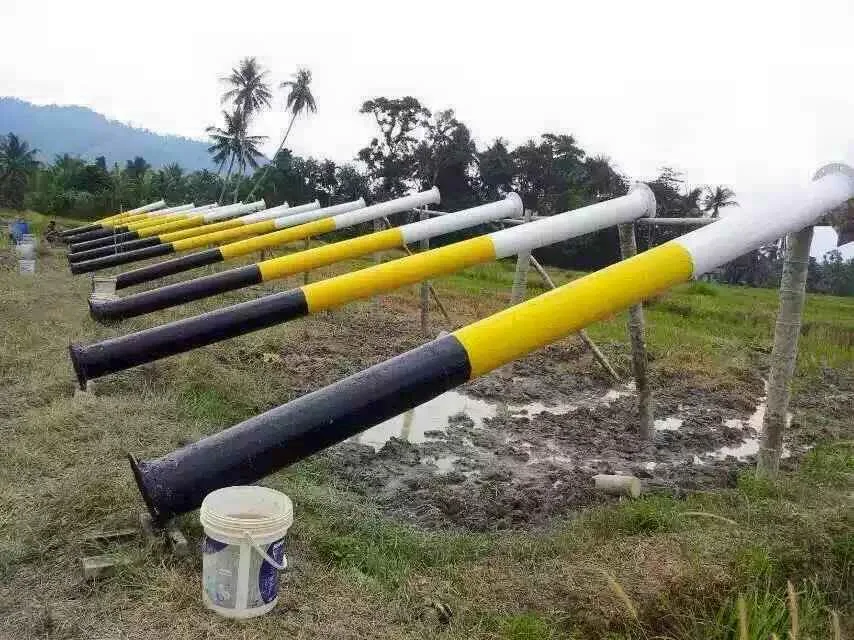
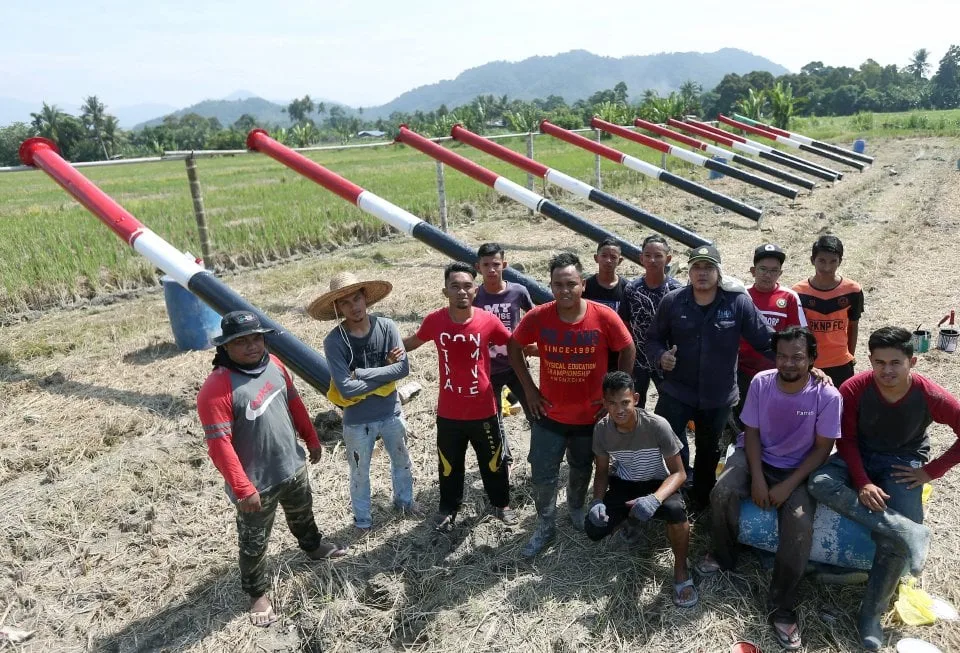
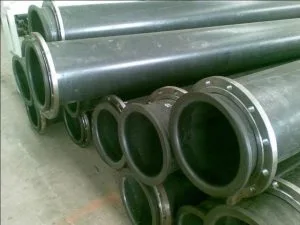
In the 1970s, the residents of Kampung Talang began to realize that bamboo cannons had a high risk of bursting, which could result in serious injury. Thus, they switched to using 15mm sand-dredging iron pipes—a material that is much more durable and capable of withstanding higher explosive pressure. This transition not only improved safety but also changed the quality of the sound produced. The boom of the iron cannon is much deeper, echoing like thunder breaking the silence of the night.
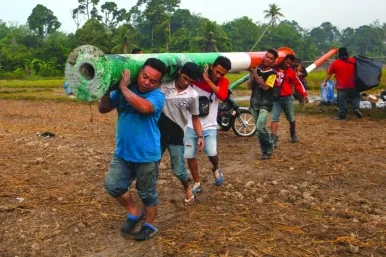
These iron pipes were purchased at a reasonable price and are carefully stored after every Raya season. Interestingly, some of the cannons used today are decades old but are still sturdy and functioning well. "We bought this iron in 1987, and it can still be used today. We take care of it like a family heirloom," said Asri Kamil Sabden, a cannon team captain.
Raya Eve in Kampung Talang: An Unrivaled Atmosphere
When the sun sets on the night of Aidilfitri, Kampung Talang transforms into a bustling hub full of life. Thousands of visitors—including tourists from abroad—gather to witness this unique phenomenon. Traditional food stalls selling items like Kuala Kangsar laksa and lemang open up, adding to the excitement of the atmosphere.
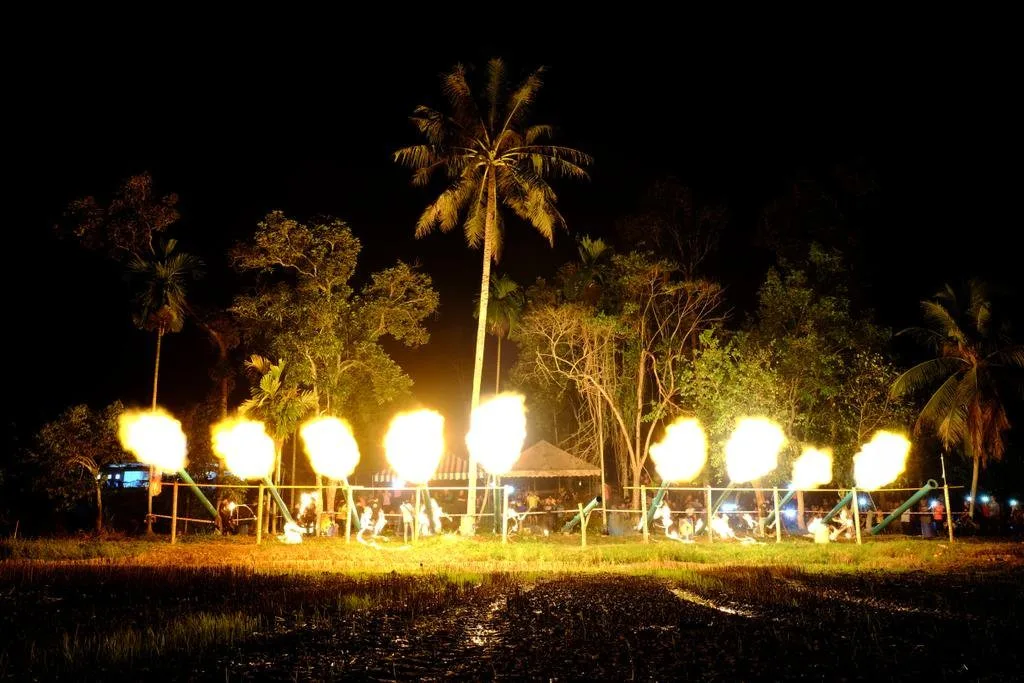
Six teams from different parts of the village compete to produce the loudest and most rhythmic booms. Each team has a captain responsible for strategizing the firing. Some fire in turns, while others fire simultaneously, creating a mesmerizing symphony of explosions.
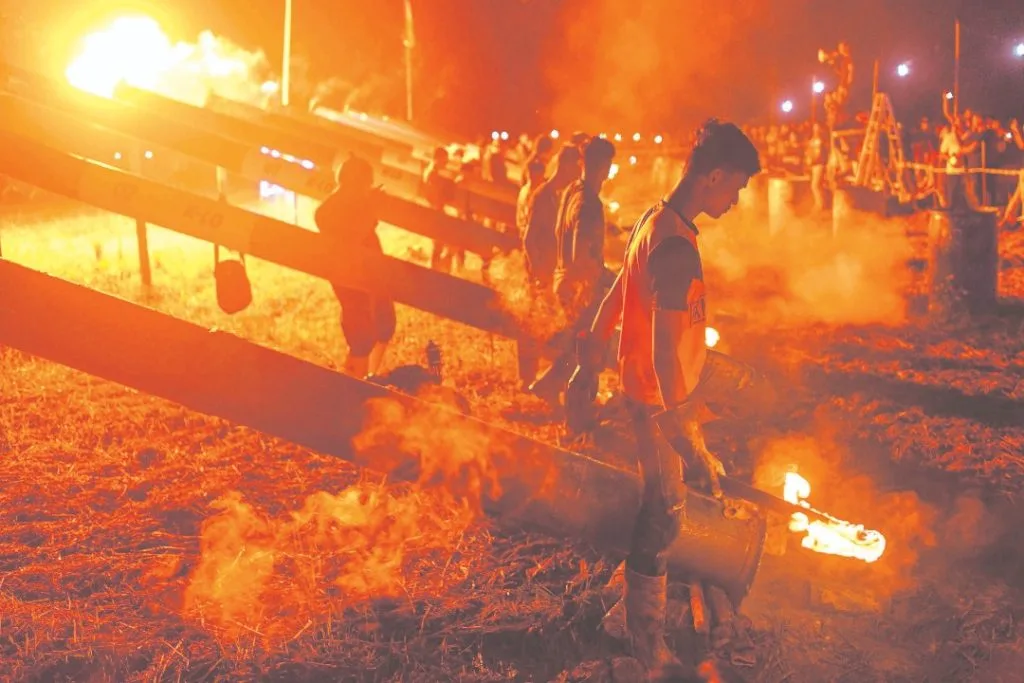
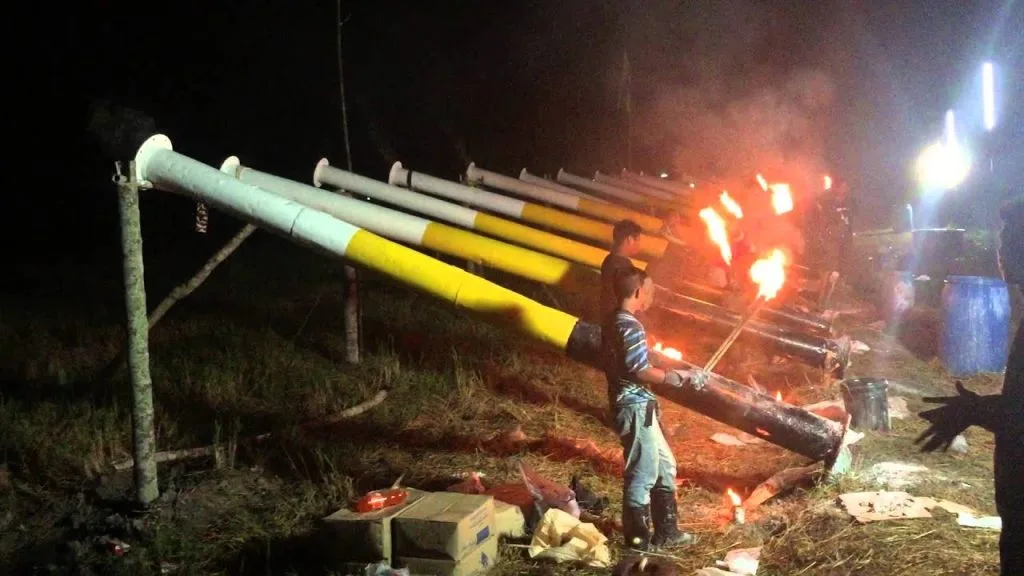
Torches are used as a communication signal between teams. When a torch is held vertically, it is a sign that they are ready. Then, under the captain's command, one cannon after another erupts, filling the air with a deafening sound. This activity continues until dawn, as if they are communicating with the sky through these booms.
Kampung Talang Cannon: The Sacred Boom Welcoming Syawal
In a remote corner of Perak, about 40 kilometers northwest of Ipoh, there is a unique tradition that has become a mandatory ritual to welcome the arrival of Syawal. Kampung Talang, a hidden gem outside the town of Kuala Kangsar, rocks the night of Aidilfitri every year with the booms of handmade cannons that shake the entire valley.
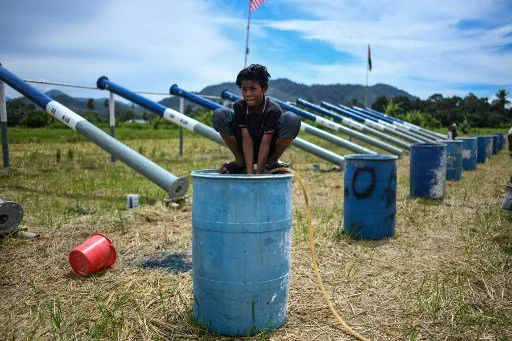
For generations, the start of Syawal here has not been declared by the chanting of takbir, but by the roar of explosions echoing from village-made iron cannons. On that magical night, on the edge of vast rice paddies, thirteen cannons made of thick iron pipes stand proudly pointing toward the night sky. Around them, groups of village youths with lit torches march like soldiers preparing for a night battle.
This inherited tradition is not just a game. It is a ceremony that begins exactly at midnight and continues non-stop until dawn breaks. Every year, without fail, the villagers gather at this cannon site—some as shooters, some as supporters, and many others who just want to feel the spirit of this special night.
The view of the rice paddies on that night is truly amazing. The torches lit are not just a source of light, but a symbol of readiness. When the torches are raised high, it is a signal that all preparations are complete. Then, under the team leader's command, one by one the cannons fire, filling the valley with echoes that can be heard as far as neighboring villages.
Interestingly, each boom is not just an empty sound. It carries an implied meaning—the first boom marks the end of Ramadan, the second welcomes the arrival of Syawal, and the subsequent booms are an expression of the villagers' joy. For them, without this ritual, the Aidilfitri celebration feels bland and incomplete.
This tradition has become so synonymous with the identity of Kampung Talang that many tourists deliberately come from afar just to witness for themselves this unique culture that is almost impossible to find elsewhere. They come not just to hear the sound of explosions, but to feel the heartbeat of a community that is so firmly defending their ancestral heritage.

The Science Behind the Explosion: How Does Carbide Create a Mega Boom?
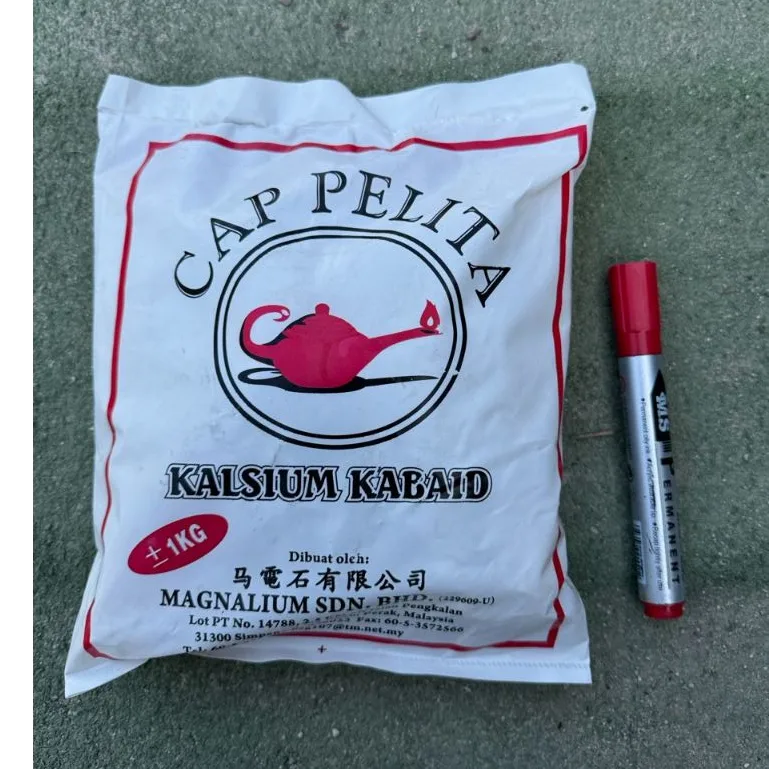
Carbide, or calcium carbide (CaC₂), is the main ingredient that makes the Talang Cannon so special. When mixed with water, it produces acetylene gas (C₂H₂)—a highly flammable gas. This chemical reaction is not only used in cannon games but also in the metal welding industry.
The process begins by putting carbide into the cannon's combustion chamber. Then, a little water is added, producing concentrated acetylene gas. When ignited, this gas explodes with extraordinary force, producing a sound that can be heard from several kilometers away.
"We have to be careful with the amount of carbide used. Too little, the sound isn't loud. Too much, it's dangerous," explains Pak Hasan.
Safety: A Tradition That Does Not Neglect Lives
Although the sound of the Talang cannon can be frightening to those who are not used to it, the villagers are very serious about safety aspects. Before the event begins, the playing area is cordoned off with safety tape to prevent spectators from getting too close. Every player is required to wear a safety helmet, gloves, and special goggles.
In addition, the cannons are constantly checked to ensure there are no cracks or leaks that could be dangerous. "We are trained from a young age. Not just anyone can play with these cannons; you need experience," emphasizes Asri.
Will This Tradition Survive?
In an era where many traditional games are being forgotten, the Talang Cannon still stands firm. The villagers see it not just as entertainment, but as a heritage that must be preserved. In fact, the Perak state government has begun to see the tourism potential in this event and is considering promoting it as an annual cultural attraction.
"For us, without the sound of the cannons, Aidilfitri is incomplete. This is our heritage, and we will defend it as long as we can," said Asri with great enthusiasm.
A Boom That Unites Souls
The Talang Cannon is not just an ordinary explosion—it is the voice of history, unity, and the pride of a community. Every boom that echoes on Raya night carries with it stories, memories, and a spirit inherited from decades ago.
If you want to experience a different kind of Aidilfitri, take the time to visit Kampung Talang, Kuala Kangsar. There, you won't just hear the sound of cannons—you will feel the soul of a tradition that continues to live, shaking the night with a roar full of meaning.