Hizbul Muslimin (HAMIM), The Rise of the Islamic Movement in the Struggle for Malayan Independence
Hizbul Muslimin (HAMIM), The Rise of the Islamic Movement in the Struggle for Malayan Independence

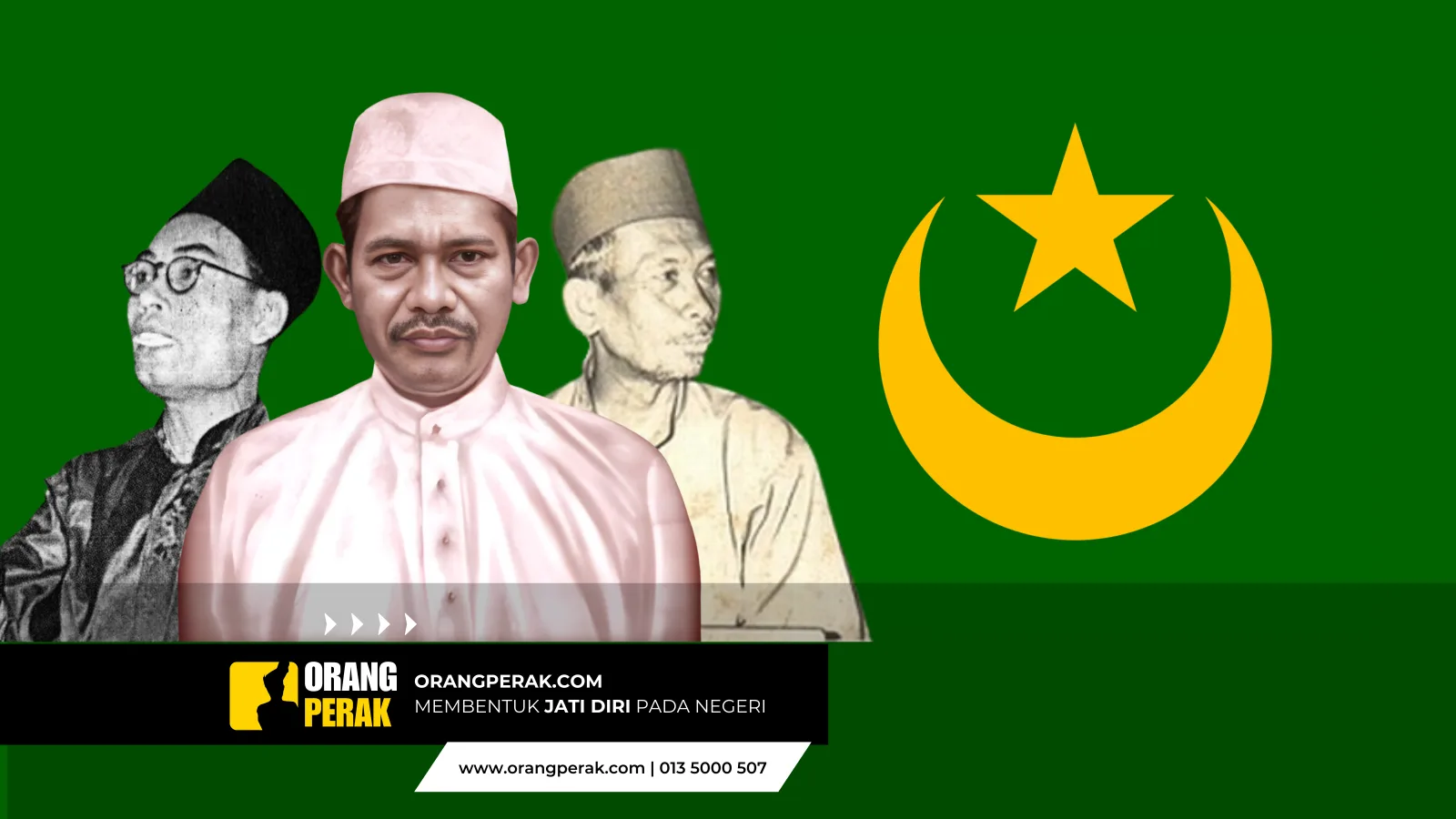
On March 14, 1948, a significant chapter in the history of the Malayan independence struggle was recorded with the establishment of Hizbul Muslimin (HAMIM), an Islamic political organization determined to liberate the homeland from the shackles of colonialism. Its formation took place at Maahad Al-Ehya Assharif, Gunung Semanggol, Perak, during a historic conference held from March 13 to 16, 1948. This conference was not merely an ordinary gathering, but a turning point for the rise of Islamic political consciousness in Malaya.
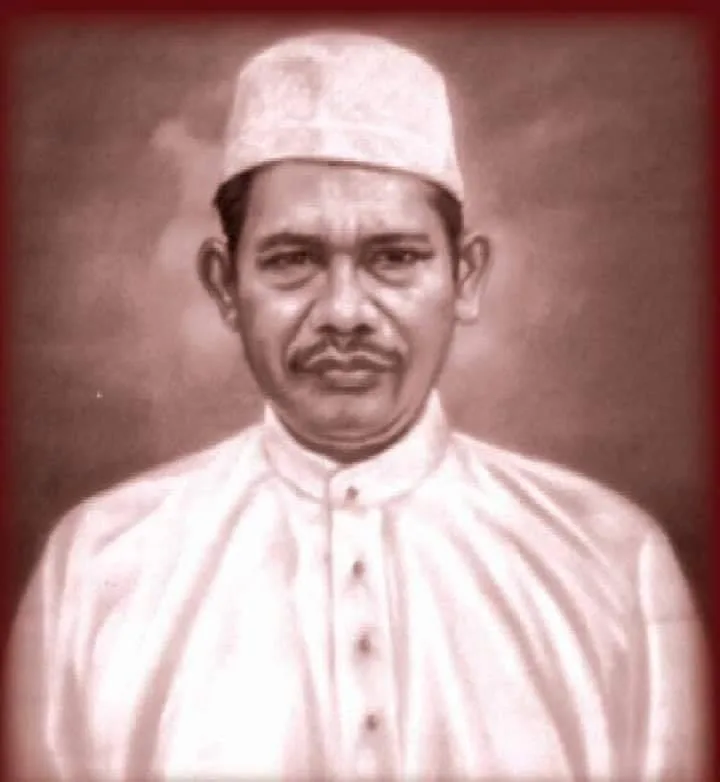
The name "Hizbul Muslimin" was proposed by Ustaz Abu Bakar al-Baqir, a respected scholar, and received strong support from Ustaz Abrab Tamimi and Dr. Burhanuddin Al-Helmy, two key figures in the Islamic movement at the time. The name was chosen with deep meaning, reflecting the aspiration to unite Muslims into a strong front to achieve independence and establish a sovereign Islamic state.
Inspiration from Masyumi and Ikhwanul Muslimin
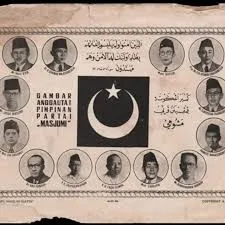
The establishment of HAMIM did not happen in a vacuum. It was heavily inspired by two major Islamic movements of the time: Masyumi (Majlis Syuro Muslimin Indonesia) in Indonesia and Ikhwanul Muslimin (Muslim Brotherhood) in the Middle East. Masyumi, which fought for Indonesian independence, served as a model for an Islamic political struggle that successfully combined religion with nationalism. Meanwhile, Ikhwanul Muslimin, founded by Hassan al-Banna in Egypt, provided inspiration in developing a holistic Islamic movement covering political, social, and economic aspects.
HAMIM drew spirit from both movements and sought to adapt it to the Malayan context. The main goal of HAMIM was to liberate Malaya from British colonial rule and subsequently establish an Islamic state based on Sharia. This was not just a struggle for political independence, but also to build a just, prosperous society based on Islamic values.
Goals and Aspirations of HAMIM
Among HAMIM's primary goals was to preserve the economic and social development of Muslims. At that time, the Malay community, which was predominantly Muslim, faced various challenges, including poverty, illiteracy, and economic dominance by immigrant groups. HAMIM sought to raise awareness about the importance of balanced and fair economic development, while encouraging education as a tool to advance the community.
Additionally, HAMIM aimed to raise political awareness among Muslims. Through lectures, publications, and dakwah activities, HAMIM sought to spread an Islamic political philosophy that emphasized justice, freedom, and social responsibility. They believed that Islam was not just a religion of rituals, but a comprehensive system capable of guiding state governance.
Challenges and Oppression
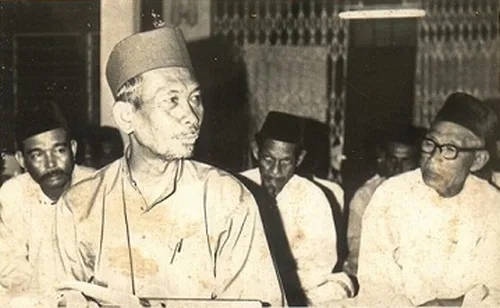
Meanwhile, conference participants felt that the United Malays National Organisation (UMNO) at the time was not doing enough to address critical issues, and that conservative-nationalist factions were also failing to play a sufficient role for the interests of Malay-Muslims.
UMNO representatives within MATA were dissatisfied with the tone of the Islamist discussions, which they felt were too revolutionary and militant. The UMNO representatives reported their observations to their leadership, leading the UMNO leader at the time, Dato Onn Jaafar, to begin issuing warnings about the "danger from the mountain," referring to Gunung Semanggol as the location of the Majlis Agama Tertinggi Malaya (MATA) movement.
However, HAMIM's struggle did not proceed smoothly. The British colonialists viewed this movement as a threat to their interests. The British had long ruled Malaya with a "divide and rule" policy, which separated society according to race and religion. The rise of an Islamic movement like HAMIM was considered a threat to the status quo and could trigger broader nationalist awareness.
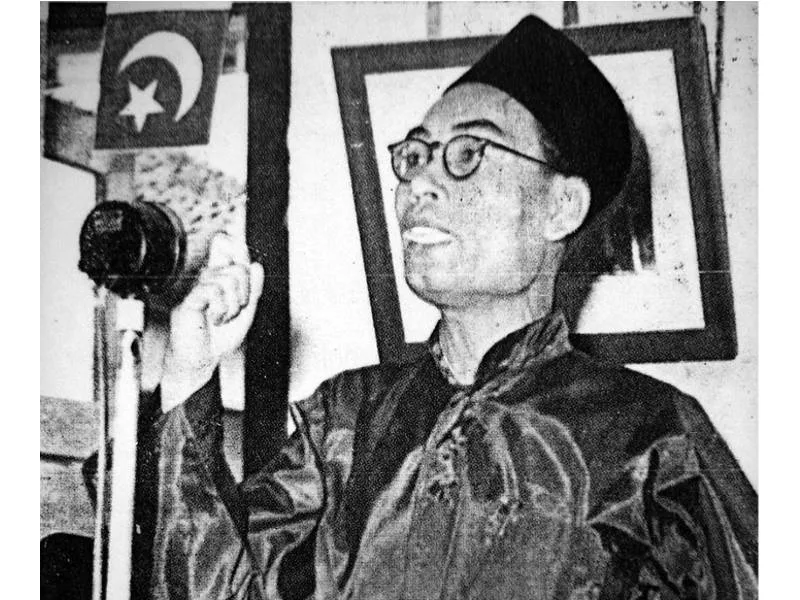
As a result, HAMIM faced intense oppression from the British. In 1948, the British declared a State of Emergency in Malaya, which gave them the power to detain anyone deemed a threat to national security. Many HAMIM leaders, including Ustaz Abu Bakar al-Baqir and Dr. Burhanuddin Al-Helmy, were arrested and imprisoned without trial. The organization was eventually banned in the same year, just months after its inception.
Many members of Hizbul Muslimin managed to escape the British crackdown by rejoining UMNO, while others split off to form the Persatuan Islam Sa-Malaya (Pan-Malayan Islamic Association), abbreviated as PAS.
For the purpose of contesting in the 1955 Federal Legislative Council Elections, the association was re-registered under the new name Pan-Malayan Islamic Party (PMIP). The name was changed again to Parti Islam Se-Malaysia (PAS) during the era of president Asri Muda in the 1970s.
HAMIM's Legacy in Modern Malaysian History
Although HAMIM did not succeed in achieving its goals in the short term, its legacy lives on in the history of the Malayan independence struggle. HAMIM serves as proof that Islam is not just a religion separate from politics, but can be a foundation for the struggle for justice and independence.
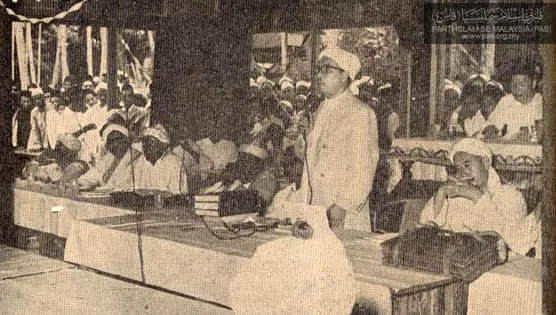
This movement also paved the way for the rise of other Islamic movements in Malaysia, such as Parti Islam Se-Malaysia (PAS), which was established in 1951. Many of HAMIM's ideas and aspirations were continued by PAS and other Islamic movements, which continue to fight for social justice and the development of a society based on Islamic values.
Conclusion
The establishment of Hizbul Muslimin (HAMIM) on March 14, 1948, was a historic event marking the rise of Islamic political consciousness in Malaya. Although the movement was banned and its leaders oppressed, the spirit of its struggle continues to live on and inspire subsequent generations. HAMIM reminds us that the struggle for justice, independence, and societal development is a collective responsibility, and that Islam provides a complete guide to achieving these goals.
In the context of modern Malaysia, HAMIM's legacy invites us to continue upholding the principles of justice, freedom, and the unity of the ummah. It also reminds us of the importance of education and political awareness in developing a progressive and competitive society. HAMIM may have disappeared from the political map, but its spirit continues to burn in the souls of Malaysians who love justice and truth.
References:
- National Archives of Malaysia, Perak Branch
- From Hizbul Muslimin to PAS Perak Branch, Berita Pas Org, March 7, 2023
- The Contribution of Hizbul Muslimin's Political Leadership to Malayan Independence 1957 / Dr. Mohd Hidayat Mahadi, ir.uitm.edu