Discover the Origins and History of Mukim Lambor, Perak
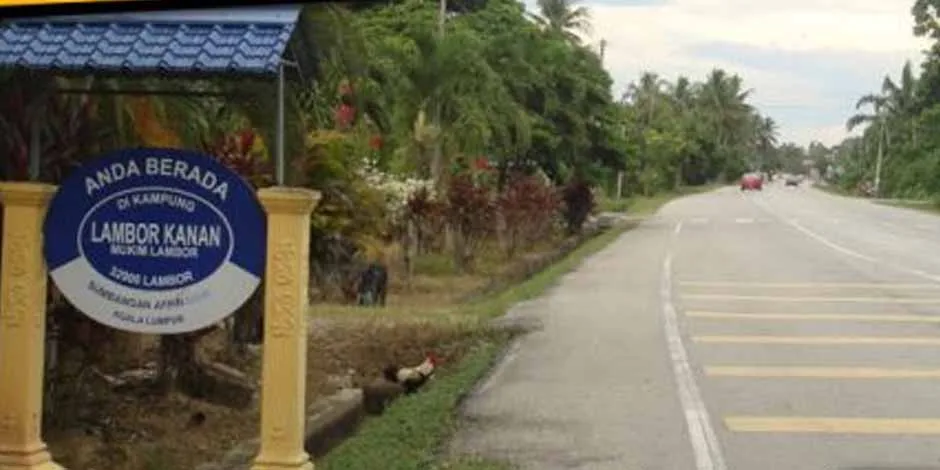
Mukim Lambor is a sub-district located in the state of Perak and is one of the sub-districts under the administration of the Perak Tengah District.
Mukim Lambor is divided into two areas: Mukim Lambor Kanan, located on the right bank of the Perak River, and Mukim Lambor Kiri, located on the left bank of the Perak River.
Historically, each sub-district was led by a ruler called a 'penghulu', consisting of dignitaries ranked as the 'Orang Besar Tiga Puluh Dua', while larger sub-districts were led by dignitaries ranked as the 'Orang Besar Enam Belas'.
Most sub-districts were led by a 'penghulu' from a single family or the original leader who founded the settlement or sub-district through generations.
For your information, loyal readers of orangperak.com, the name Lambor is said to originate from the Semai Orang Asli language, meaning a place to welcome guests, discuss, or chat.
In another sense, the word 'Bor' means good, holy, pure, or excellent. In the beliefs of the Semai Orang Asli community, there is a ceremony or ritual called 'Lambor'. Thus, it can be inferred that Mukim Lambor served as a location for meetings and discussions.
It is said that after the Gangga Negara Kingdom was attacked by Rajendra Chola from South India, the state of Perak at that time had no monarchy or specific name.
However, heirs from the Gangga Negara Kingdom united with the Pasai-Aceh royal family, descendants of Demang Lebar Daun, to establish a new kingdom known as the Beruas Kingdom.
At that time, most areas in Perak had not been fully explored and lacked a monarchy or local government.
Areas along the banks of the Perak River and the coast were mostly inhabited by various Orang Asli tribes living in clans, such as the Temiang, Semai, Semang, and others. They did not have specific leaders or rulers and practiced a lifestyle isolated from outsiders.
Tun Khamis, a descendant of the 'muntah lembu' lineage from Bukit Siguntang, Palembang, is said to have arrived from Pasai-Aceh with his followers on a sailing barge, crossing the open sea to the Malay Peninsula.
He and his followers landed in Perak via the Perak River, traveling upstream to establish a new settlement, initially on the left bank of the river, an area later known as Lambor Kiri.
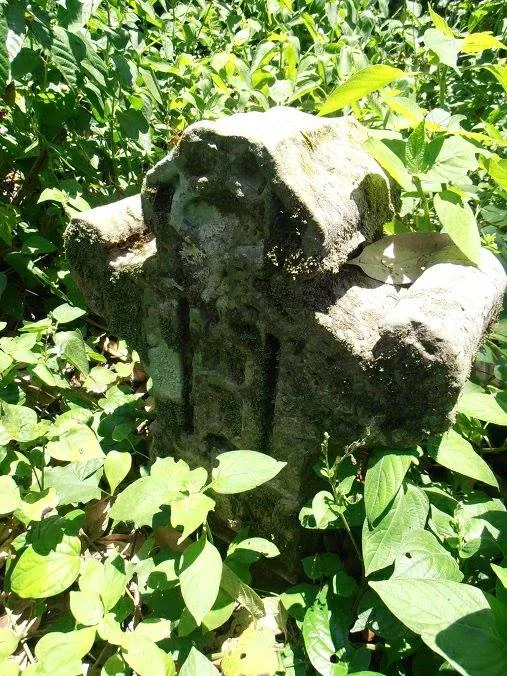
Achehnese tomb in Mukim Lambor Kiri
The Semai Orang Asli community initially lived in an area later known as Kampung Tua, Lambor Kanan. That was where the Semai community would gather for festivities and the Lambor ritual. The arrival of Tun Khamis and his followers was welcomed by the Semai Orang Asli.
Tun Khamis's efforts to open more new settlements were welcomed and assisted by the Semai Orang Asli. He and his followers mobilized the Semai Orang Asli living in the surrounding areas through forced labor, without wages, though they were provided with food and small gifts of tobacco.
Tun Khamis chose areas near the banks of the Perak River, which were rich in fish, to establish villages. He would place one, two, or three of his followers in each area designated as a village.
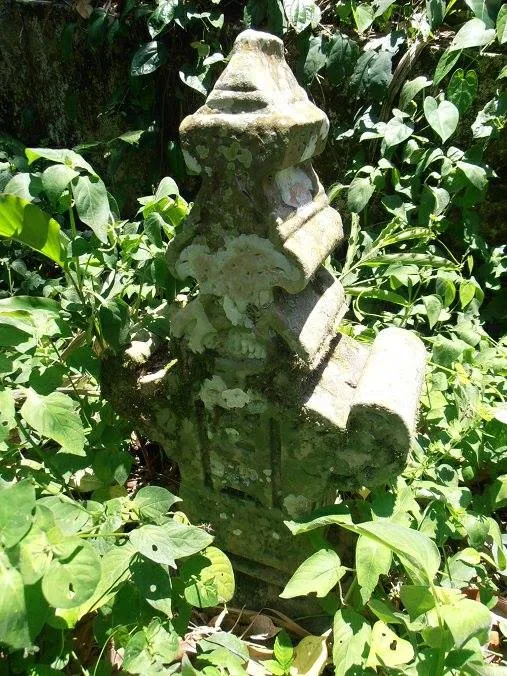
Achehnese tomb in Mukim Lambor Kiri
Each of Tun Khamis's followers stationed in these areas would gather the Semai Orang Asli to work on clearing forests, felling trees, planting fruit trees, and raising livestock such as chickens, goats, cows, and buffaloes for food.
Eventually, Tun Khamis's followers stationed in each village became leaders and role models for the community. Thus, new settlements were opened across the region, and they chose the name 'Lambor' for these new settlements: Lambor Kanan for the Kampung Tua on the right side of the river, and Lambor Kiri for the village opened on the left side.
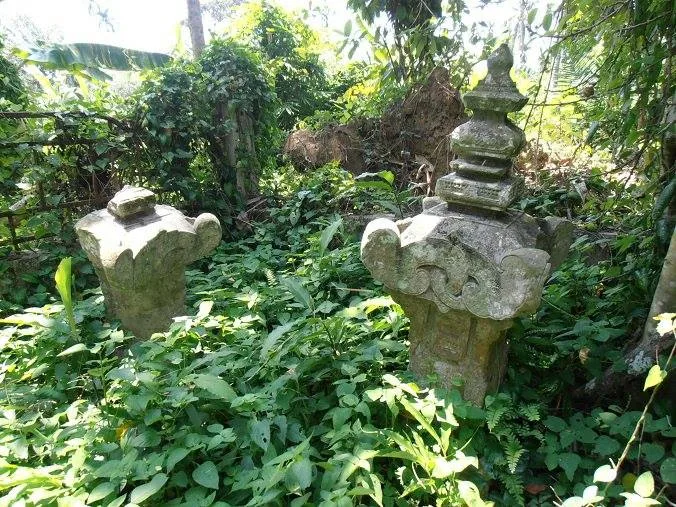
Achehnese tomb in Mukim Lambor Kiri
The entire community there appointed Tun Khamis as the ruler of Mukim Lambor with the title Maharaja Lambor. After the arrival of more Malay people in Mukim Lambor, they opened even more new settlements on both the left and right banks of the Perak River.
Meanwhile, the Semai Orang Asli who originally lived there moved deep into the interior, such as in the Air Denak area and other inland regions.
A small number of the Semai Orang Asli chose not to move and continued to live there, marrying into the Malay community and assimilating into the Malay lifestyle.
At that time, Perak had no monarchy; instead, each district and area was governed by local rulers. In the Perak Tengah District, Mukim Lambor was ruled by Maharaja Lambor Tun Khamis, the Hulu Perak District was ruled by Seri Dewangsa Tun Saban, and the Temong area was ruled by Tun Perabu, better known as Tok Temong.