Daeng Kuning Cave at Bukit Larut
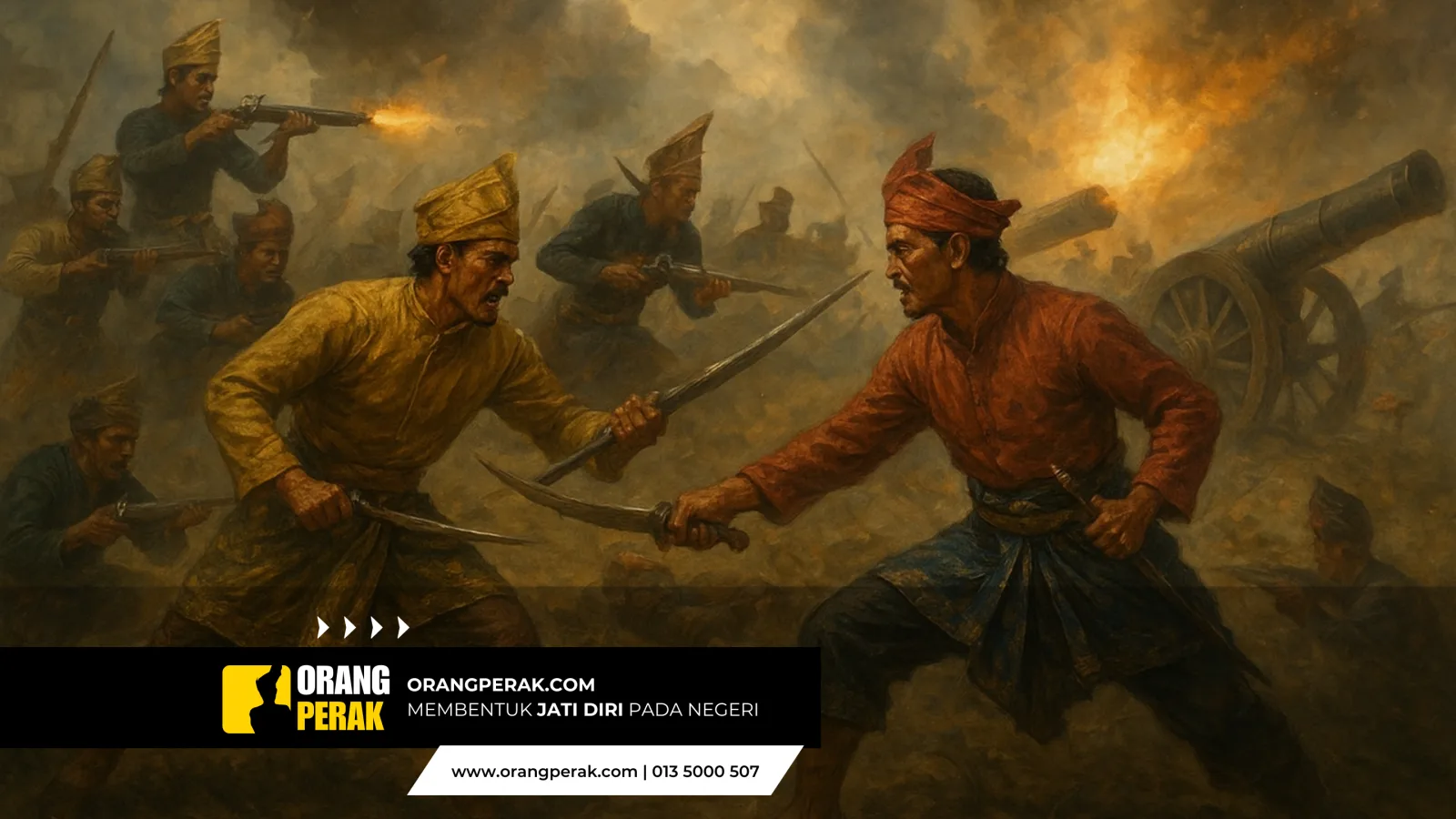
The history of the art of Silat Gayong leaves many mysteries since its inception, with much of its story and origins remaining unknown.
Dato Meor Abdul Rahman
was the individual who founded the Pertubuhan Silat Seni Gayong Malaysia (PSSGM). PSSGM was the first silat organization registered under the Registrar of Societies in Johor Bahru on October 22, 1963 (Registration No. 361), and was later registered under the Sports Commissioner on July 31, 1998 (Registration No. APS 0149/98).
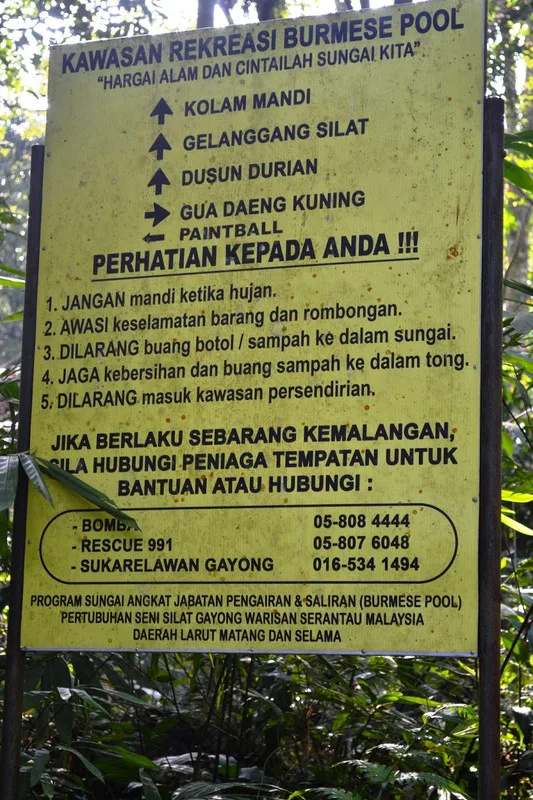
This change occurred when the government established a policy through the Sports Development Act 1997, requiring all bodies conducting sports activities to register with the Sports Commissioner. He began learning the art of silat at the age of 12 from his grandfather, Syed Zainal Abidin Al-Attas. Syed Zainal, better known as Tuk Jenai at the time, was a village head (penghulu) in Pekan, Pahang. He was a famous Pahang warrior known for his struggle against British colonialism alongside other comrades-in-arms such as the late Mat Kilau, Dato Bahaman (Orang Kaya Semantan), and many other figures in Pahang. This time, we would like to tell the story of a small cave at Bukit Larut. For your information, loyal readers of orangperak.com, the small cave at Bukit Larut is the cave that became the place where Daeng Kuning, also known as
Panglima Hitam
retreated. The small, isolated cave deep in the forests of Bukit Larut was used by Daeng Kuning for seclusion and meditation after he landed at Pengkalan Aur. Do not be unaware that there were seven generations of Bugis brothers who had a vision and followed their own paths for their destiny. Daeng Kuning, or
Panglima Hitam
chose the Air Kuning location in Taiping for his final journey. Lucky is the land of Perak to have had such a great individual who produced many generations eager to practice silat. When he arrived at Air Kuning, the ancestor of the founder of the Pertubuhan Silat Seni Gayong Malaysia (PSSGM) chose to live in this small cave until he married a princess from Patani.
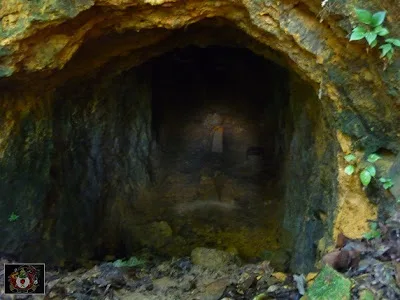
Today, this small cave is known as the Daeng Kuning cave. It is a cave shaped like a downward pit and can accommodate about 10 adults at one time. Water from the cave ceiling constantly drips onto the ground, keeping the area inside the cave moist.
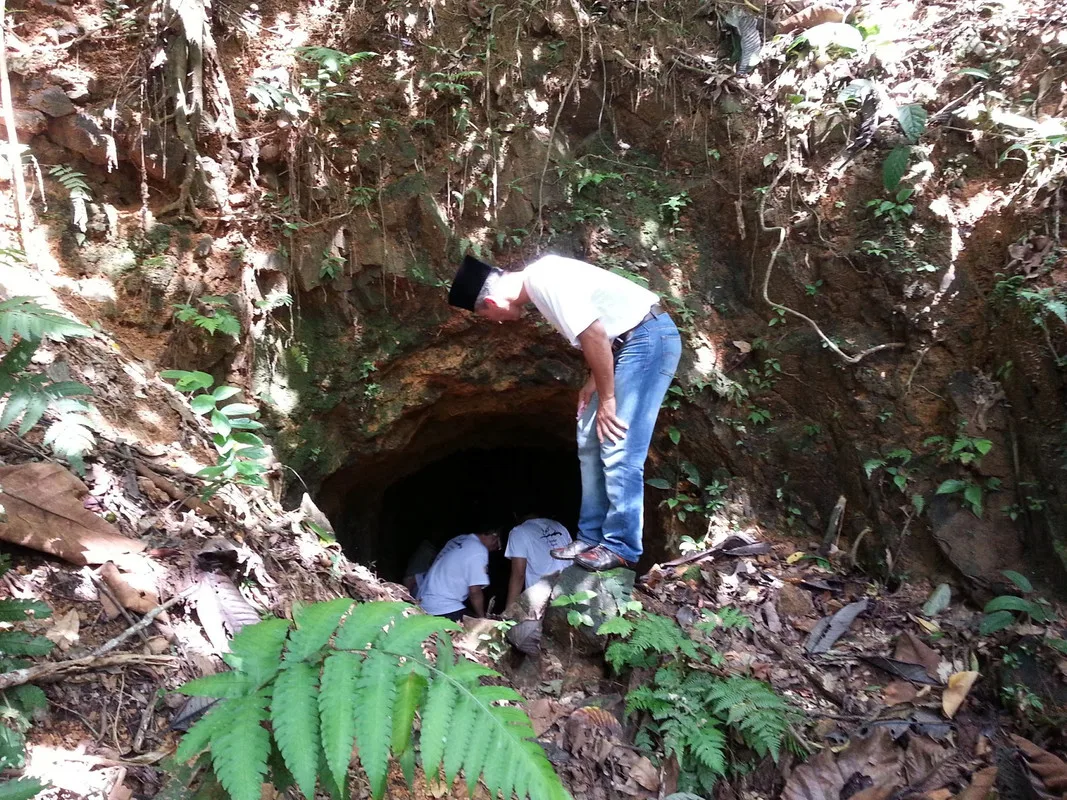
Therefore, the temperature inside the Daeng Kuning cave is very comfortable and the atmosphere is extremely peaceful. Not far from this cave, about 50 meters away, there is a river and a waterfall.
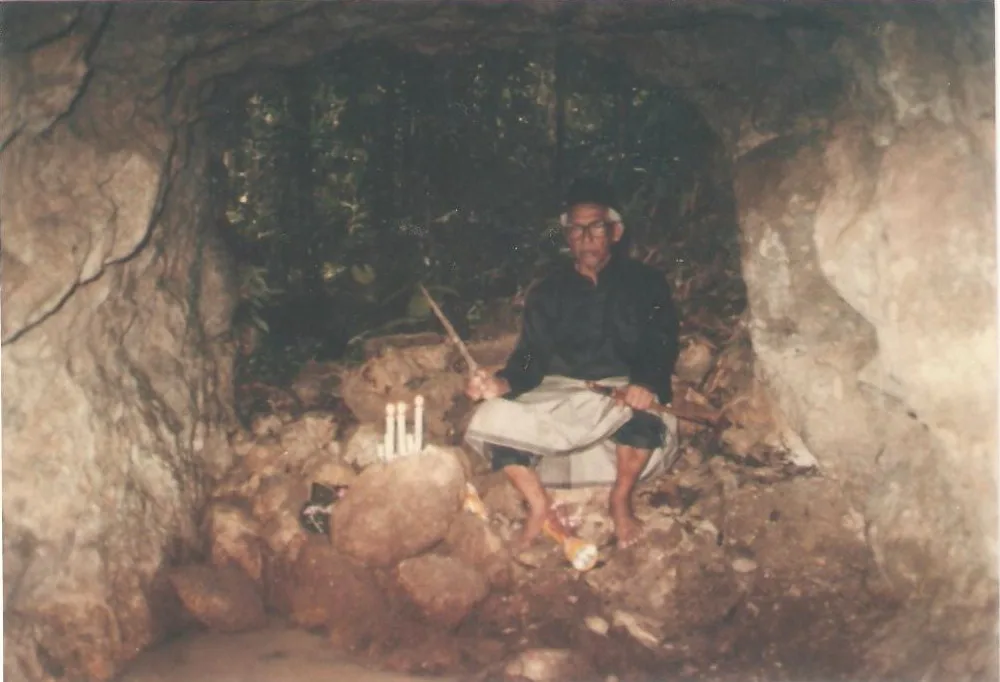
Although the position of the cave entrance looks like it could be flooded by rainwater during heavy downpours based on its geographical structure, in reality, rainwater does not flow into the cave. Instead, it flows along the slopes, never wetting the interior but only keeping the cave environment humid.
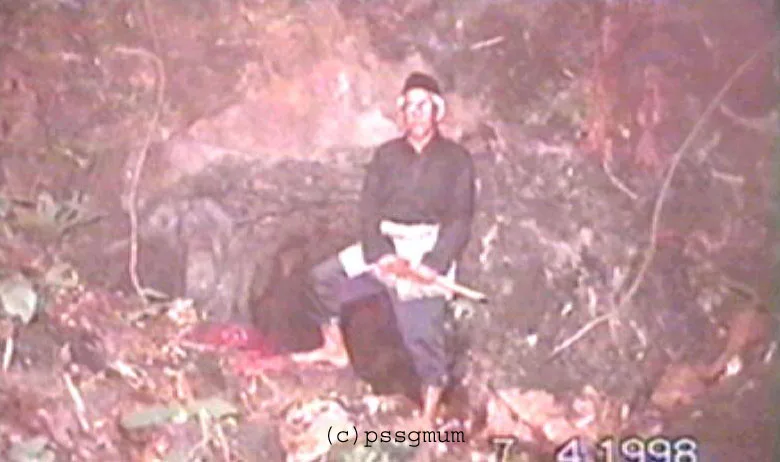
Today, this cave is very meaningful to all practitioners of Silat Seni Gayong, as they should visit it to appreciate a part of the great historical sites in the art of silat.
Nevertheless, history must be preserved and passed on to future generations for the continuity of the great Silat Seni Gayong, so that it is not lost or forgotten due to the passage of time. Many in our Malay community today are no longer interested in learning the art of silat. Perhaps it is because they are too busy with daily life, but there is still a generation defending its greatness so that it is always remembered in our country.