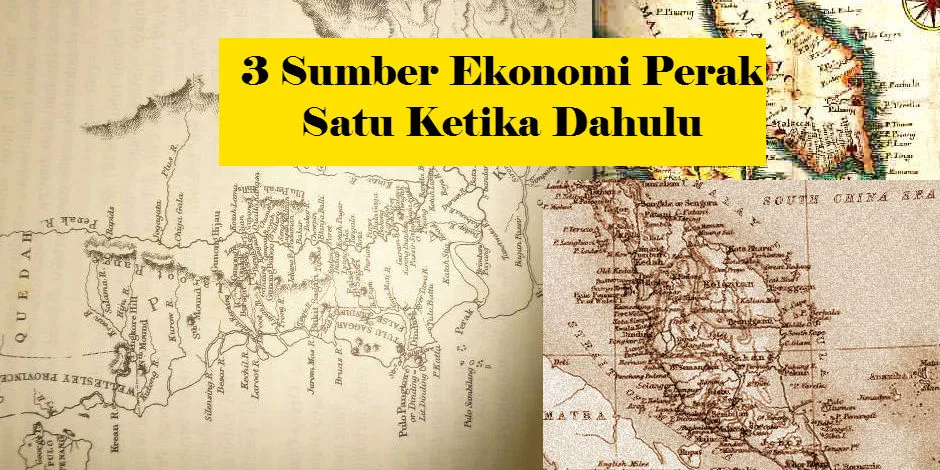
3 Former Economic Sources of Perak
During the late 19th and early 20th centuries, Perak was one of the states that contributed significantly to the global economy and, indirectly, to the economies of most states along the Straits of Malacca.
Everyone knows of Perak's past glory, when it was known as the wealthiest state in Tanah Melayu. The state was rich in natural resources and strategically located with ports that became hubs for international traders.
First economic source - Rubber: For your information, Perak was world-renowned as one of the largest natural rubber producers globally between 1908 and 1910. This was because Perak was the first state to receive rubber cultivation when the British Resident in Perak, Sir Hugh Low, planted rubber seeds in Kuala Kangsar in 1877.
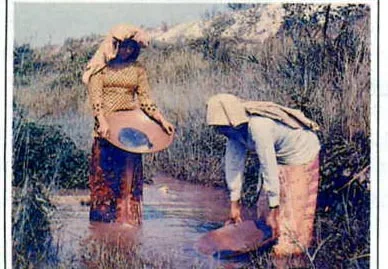
Second economic source - Tin Ore: Everyone knows that Perak was the world's leading tin producer from 1910 to 1920, to the point where the word 'tin' became synonymous with Perak, often associated with the metal's silver-like shine. The main tin mining areas in Perak were in Batang Padang in the 18th century, Larut in the 19th century, and Kinta in the early 20th century.
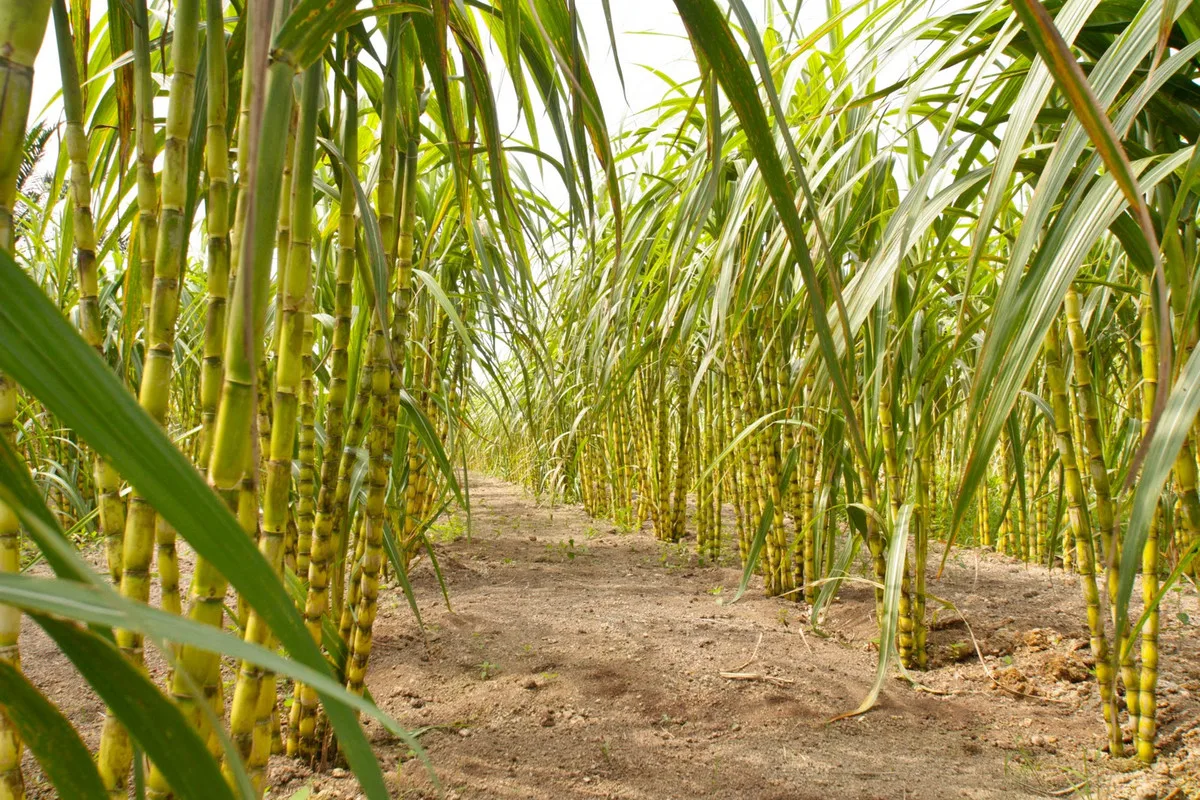
Third economic source - Sugarcane: Try asking your grandparents or parents about sugarcane cultivation. Most of them from the villages worked as laborers to harvest and process sugarcane in the early 1900s. For your information, Perak was the world's largest sugarcane producer in 1900. During the British colonial era, the Kerian district in Perak became a major and extensive sugarcane plantation area in Tanah Melayu, surpassing the sugarcane fields in Perlis, which no longer exist today. Today, we see that while rubber cultivation still exists, it is in much smaller quantities compared to the past. Now, any vacant land is utilized for oil palm plantations, which contribute significantly to the national economy, not just in Perak, but throughout Malaysia.