World War II Anti-Tank Stone Discovered in Trolak
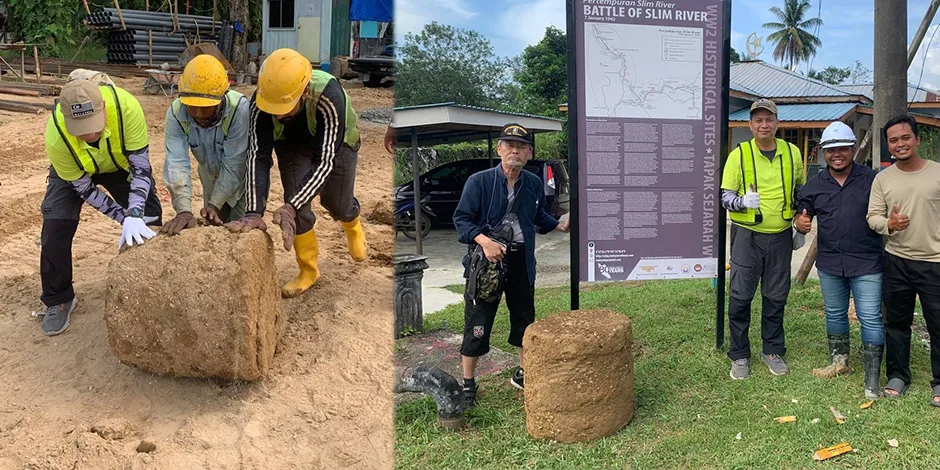
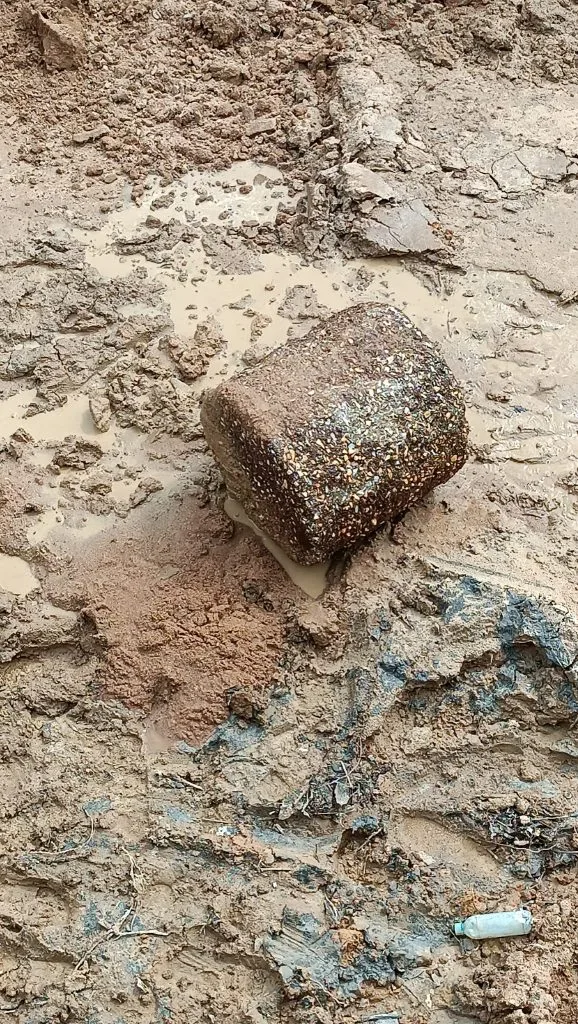
An anti-tank stone was discovered on January 20, 2025. A team from the Malaya Historical Group Society, while visiting a World War II battlefield in Trolak, Perak, found a cylindrical concrete block once used by the British military as an anti-tank road barrier.
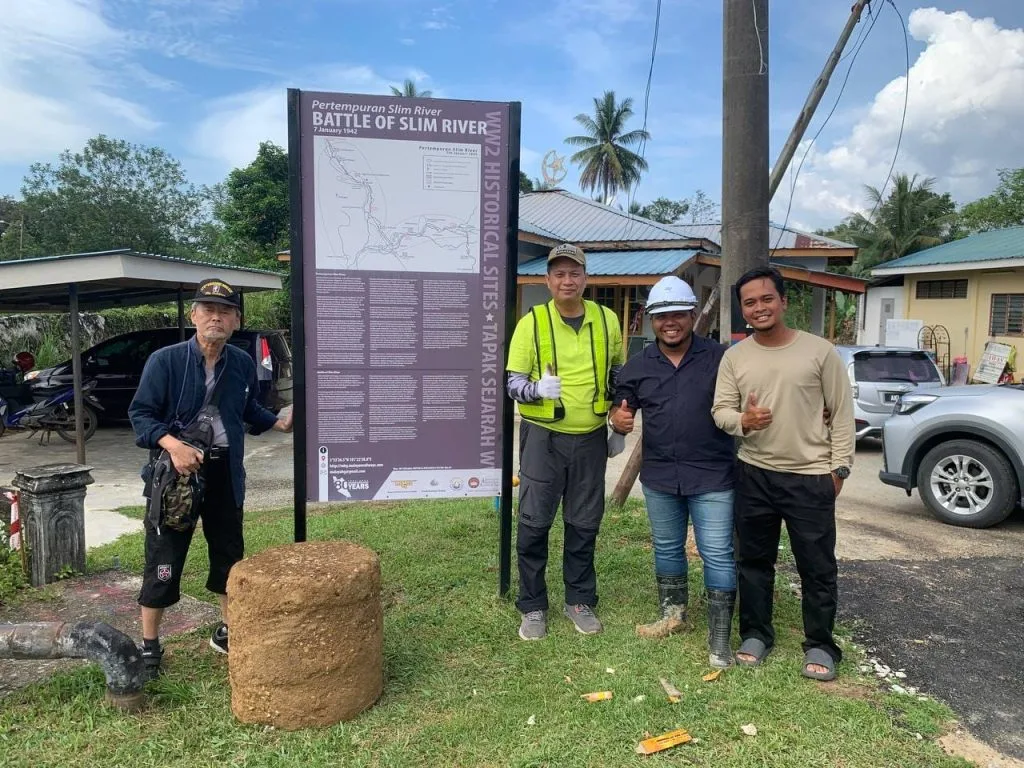
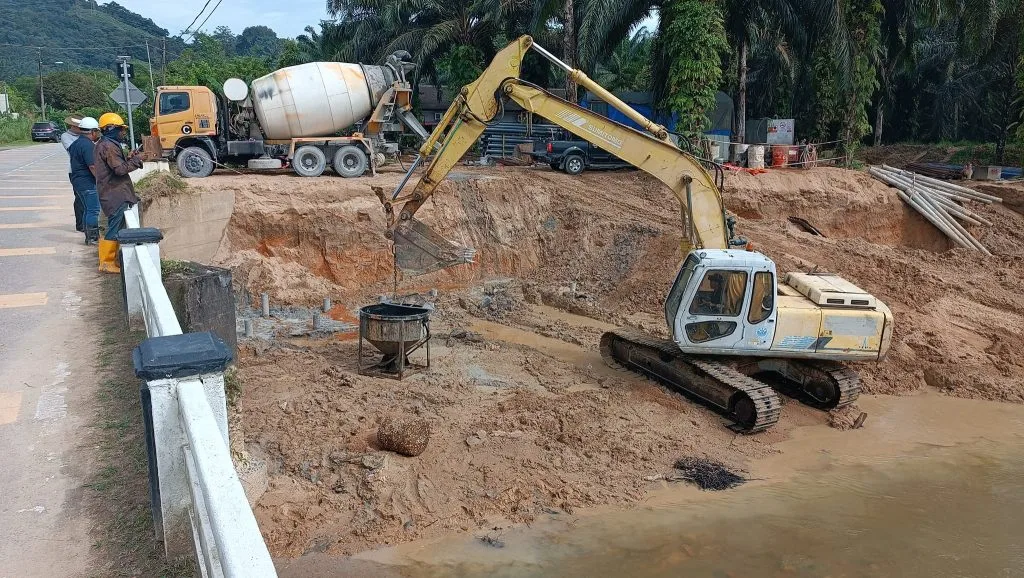
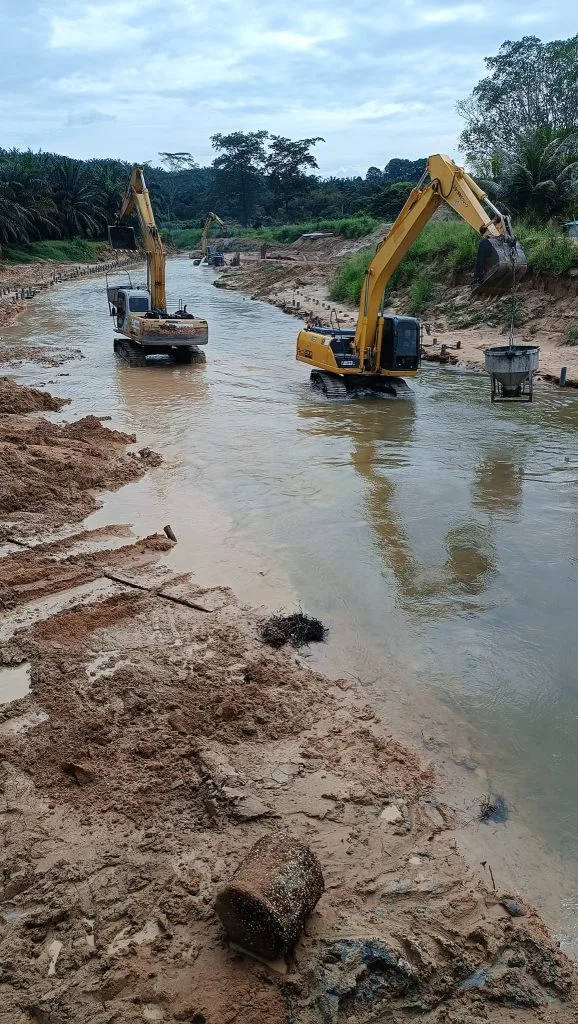
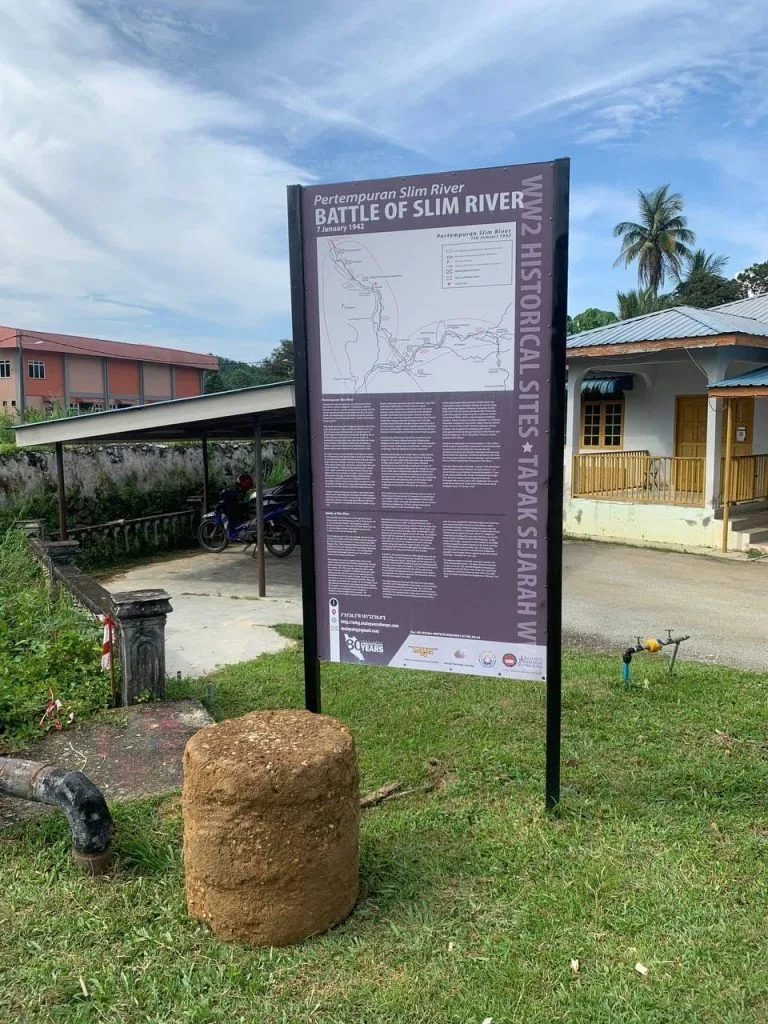
This concrete stone was found in the Trolak River, not far from the bridge. With the help of contractors repairing the riverbank, they moved the concrete block and placed it in front of the information board regarding the Battle of Slim River.
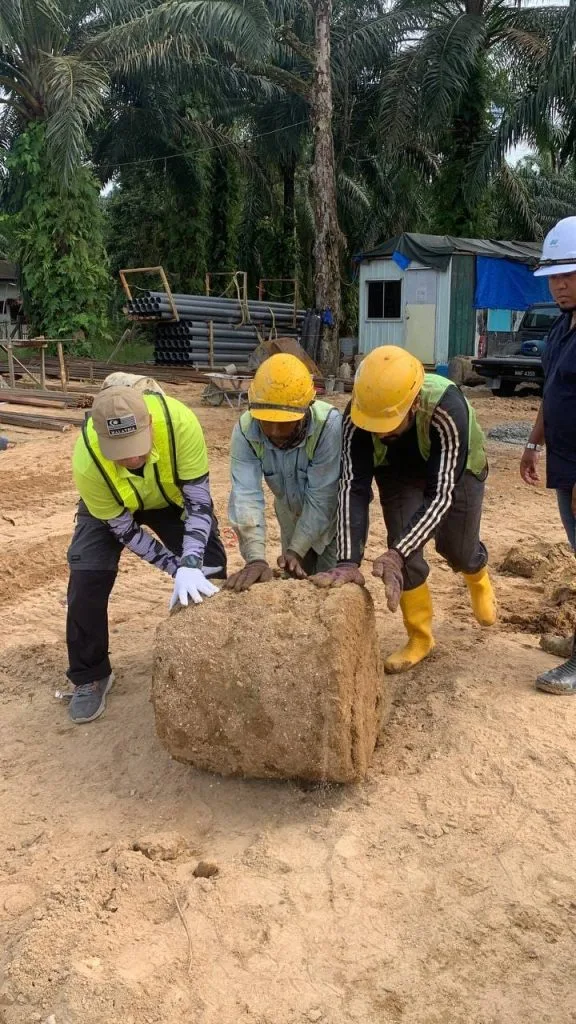
According to Mr. Shaharom Ahmad, these anti-tank stones are commonly found in Negeri Sembilan and Johor. However, this discovery provides new information regarding the use of these stones as far north as Perak, specifically in Trolak.
He also hopes that the discovery of this stone will add value to the tourism products of the Muallim district and the town of Trolak, complementing the existing Battle of Slim River historical signage.
For information, the Battle of Slim River took place during World War II in early January 1942. This event involved a battle between the Imperial Japanese Army and the British Indian Army in Trolak and Slim River, Perak.
In Trolak, the 2nd Argylls were stationed around the village of Trolak to protect the 12th Brigade headquarters. This unit was a highly experienced British military force and was considered the best jungle warfare unit for the British in Malaya.
The Argylls were in a defensive position but lacked anti-tank defenses and landmines. They only had warnings about the rapid advance of the Japanese army from panicked Indian sepoys from the Hyderabad unit.
Despite the warning, one of the four Japanese tanks was mistaken for a Punjabi Bren Carrier, allowing the tank to move through the Argylls' lines and split the battalion.
All four tanks then headed toward the railway bridge. The arrival of the main Japanese force led by Shimada, followed shortly by infantry led by Ando, caused the Argylls to break apart completely and cut off their route from the main road.
The Argylls were reduced to many small groups, but they fought fiercely and managed to stall the Japanese advance longer than the two previous British battalions, holding their ground until 7:30 AM.
The forces east of the road (Companies C and B) under Col. Robertson fought toward a rubber estate and attempted to attack the advancing Japanese from the rear by moving south through the jungle, splitting into smaller units.
Six weeks later, some of these soldiers were still in the jungle. A company under the command of Lt. Donald Napier, located west of the road, managed to break through the Japanese encirclement and cross the river before blowing up the railway bridge.
Company D, located north of Napier's company, suffered the same fate as the rest of the Argylls, scattering into the jungle while attempting to reach the lines.
Most of the soldiers in Company D were captured before they could reach the river. Only 94 members of the Argylls attended the roll call on January 8.
After successfully taking control of the area around Trolak village, the Japanese army began to show their cruelty in the rubber plantations around Trolak. In this area, there were several wounded members of the Argyll and Hyderabad units.
Second Lieutenant Ian Primrose reported that after regaining consciousness following the battle, he found the Japanese army beginning to separate the wounded into groups of those who could walk and those who could not.
Primrose decided he was still able to walk, and he was very fortunate because shortly after, the Japanese army began shooting and bayoneting the members who could not walk.
Then, the survivors were ordered to dig graves to bury those who had fallen and were subsequently forced to carry the wounded Japanese soldiers.
The entire Battle of Slim River resulted in approximately 500 British Indian soldiers killed, while 3,200 became prisoners of war. Meanwhile, Japanese casualties were estimated at 77 killed and 60 wounded. Four Japanese tanks were destroyed during this battle, while one other tank suffered severe damage.
Orang Perak congratulates and commends the efforts of the Malaya Historical Group Society, led by Mr. Shaharom Ahmad, who has done much to highlight history, especially regarding World War II in the state of Perak. Hopefully, efforts like this can serve as a good example for us all to follow.