Unraveling the 1,001 Secrets of Pulau Kelumpang in Bagan Serai, Perak
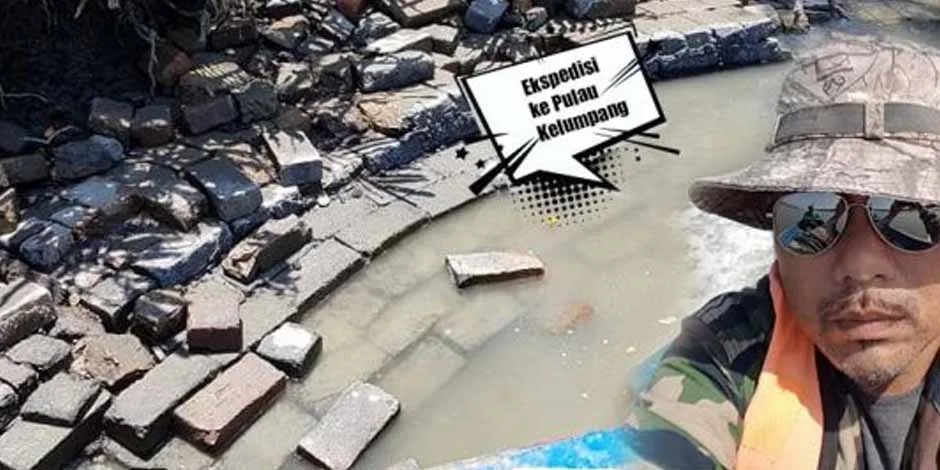
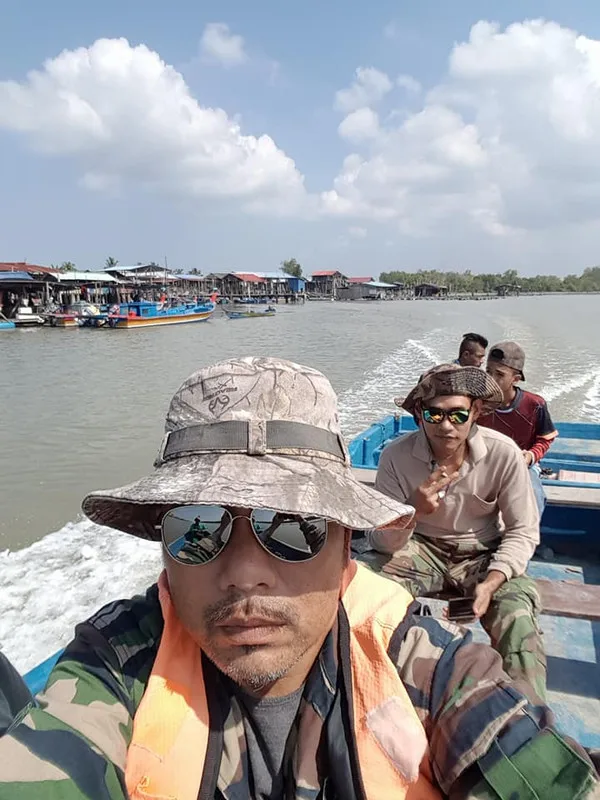
For this expedition, I braved the open sea to reach a truly unique location: Pulau Kelumpang. Rumor has it that this site is part of the remnants of an ancient kingdom, the Selinsing Kingdom. Although its authenticity remains unverified, this piece serves as a brief record of my expedition in search of the hidden truth.
The location of my expedition to uncover hidden history is Pulau Kelumpang, situated in Kuala Gula, Bagan Serai, Perak. Pulau Kelumpang is located near Pulau Buluh. There are 7 islands covering an area of 2 square kilometers. Pulau Satu to Pulau Lima are the main archaeological zones. Pulau Enam and Pulau Tujuh are located opposite Pulau Selinsing, Bagan Serai, Perak. On July 15, 2007, this site was gazetted as a High Conservation Forest Area. My first experience stepping foot on this island felt distinct, filled with an indescribable spirit and the aura of the Selinsing Kingdom that once thrived here. The atmosphere there is so peaceful and serene that it evokes a sense of harmony that is hard to describe. Throughout my observations while on Pulau Kelumpang, there are many visible traces of archaeological research activities conducted by various parties that remain clear to this day.
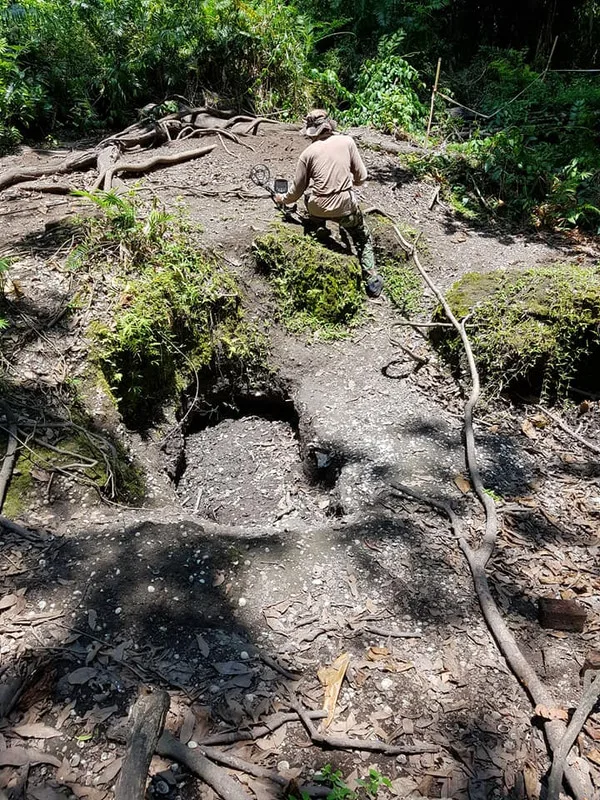
Among the archaeological traces that are still clearly visible and abundant around Pulau Kelumpang are the remnants of ancient grave excavations dating back thousands of years. According to records and reliable sources, archaeological excavations and studies on Pulau Kelumpang began as early as 1928 by I.H.N. Evans, a British anthropologist.

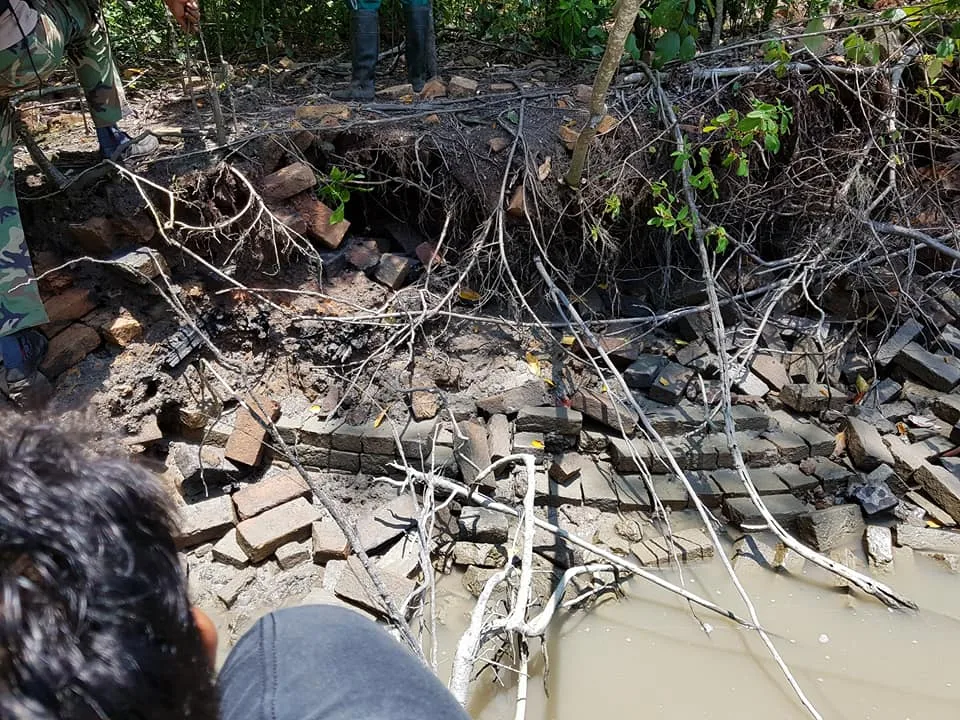
The results of the studies and research conducted by I.H.N. Evans on Pulau Kelumpang led to the rediscovery of historical sites. Later, I.H.N. Evans once again conducted studies and excavation work around the Pulau Kelumpang area in 1932, following the discovery of historical sites during his initial 1928 study.
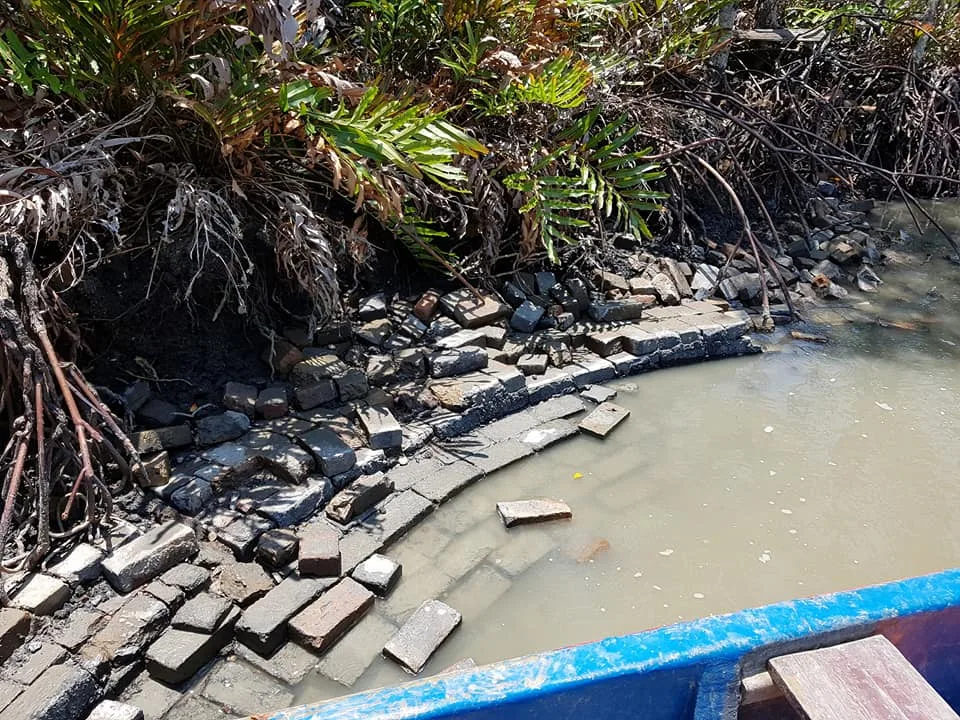
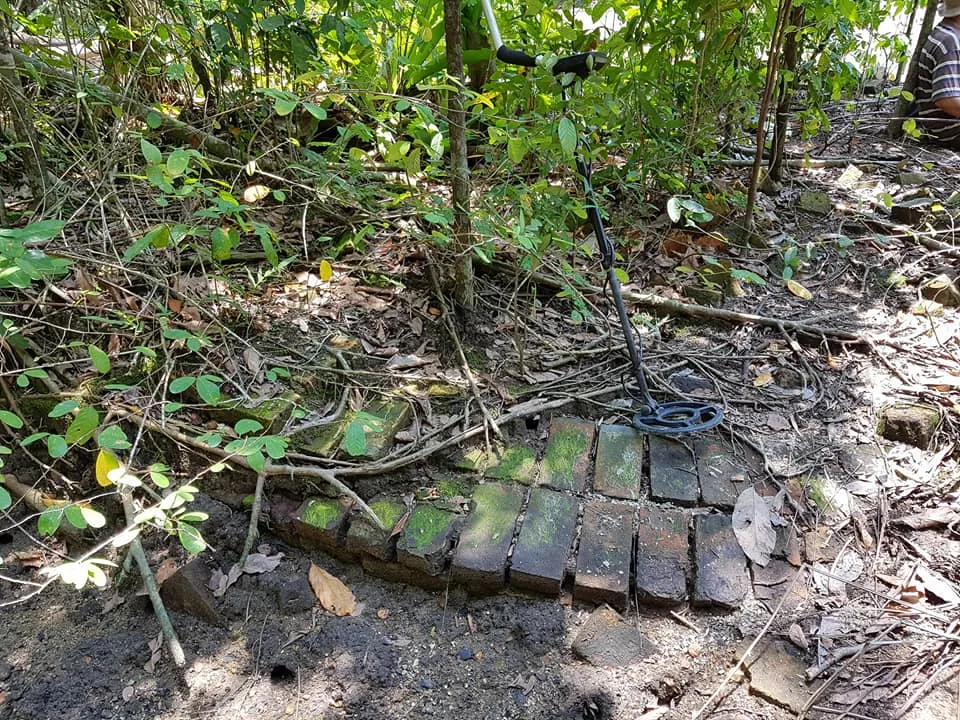
I.H.N. Evans carried out excavation work for 2 months in 1932, during which he discovered human skulls, beads, and blue glass. I.H.N. Evans believed that his findings originated from Tanjung Rawa.
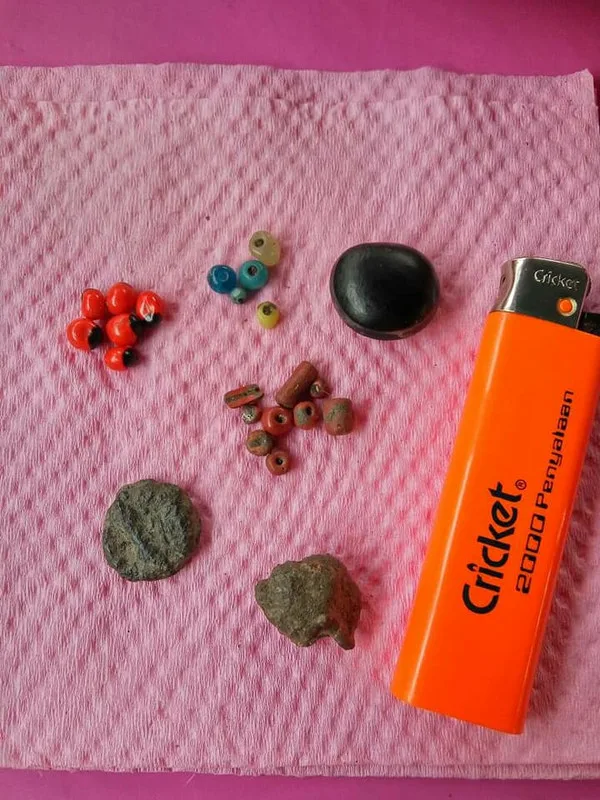
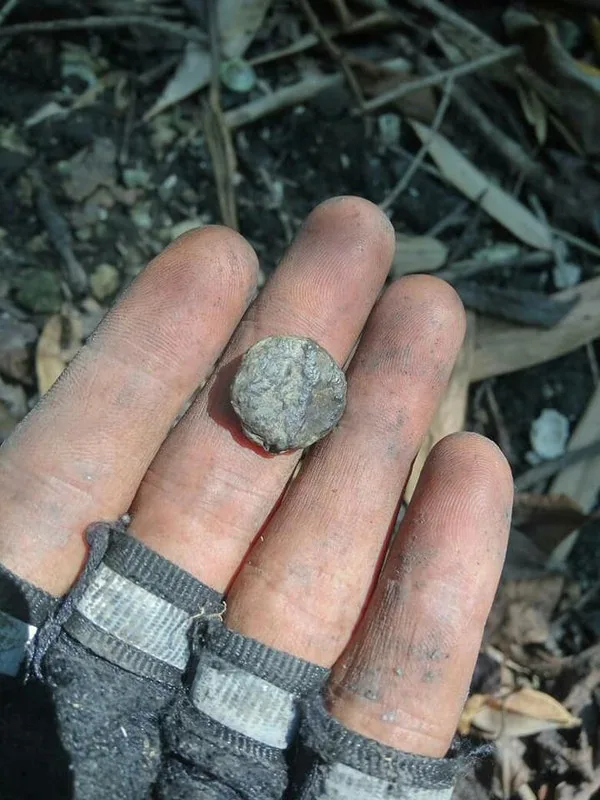
Not stopping there, in 1955, an individual named G. de G. Sieveking continued the studies and research of I.H.N. Evans on Pulau Kelumpang. He successfully found over 3,000 pieces of glass and stone beads.
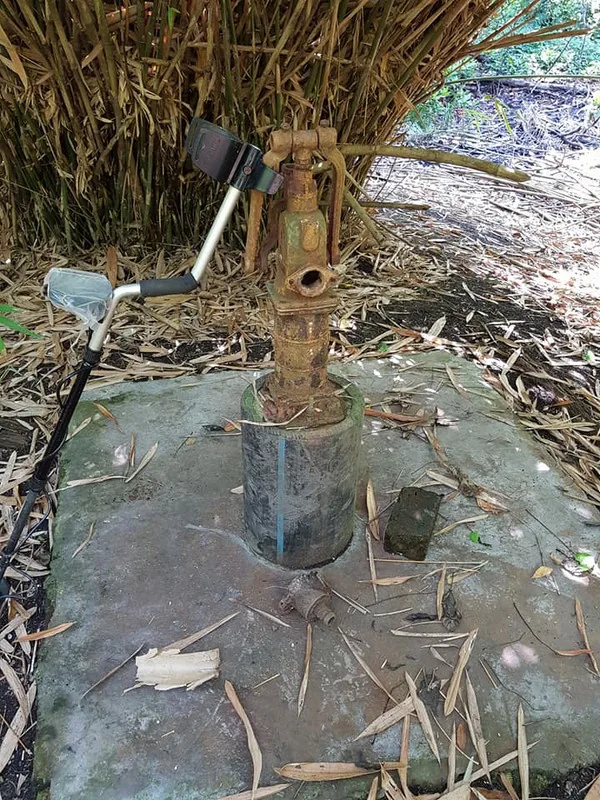
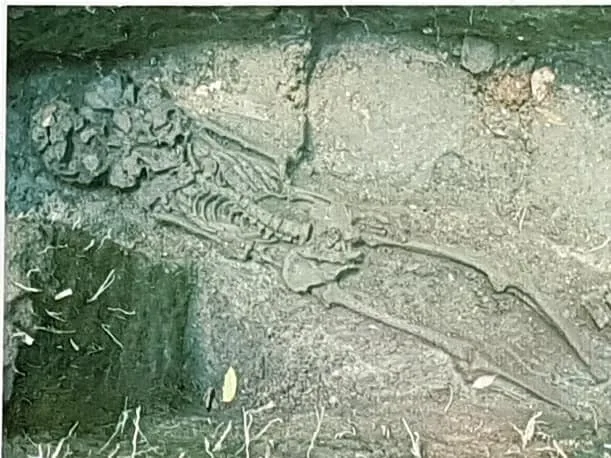
In 1987, Nik Hassan Shuhaimi, a local archaeologist from UKM, conducted new excavations on Pulau Kelumpang and eventually succeeded in finding eleven human skeletons, house posts, wooden rice mortars, pottery, stone artifacts, food remains, glass and stone beads, ear rings, and various organic materials.
video by Shah Sunan AL-Bugis
Nik Hassan Shuhaimi believes that the Pulau Kelumpang area was inhabited between 200 BC and 1000 AD. This area, which was once glorious and densely populated, must have played an important role as it served as a primary gateway to the famous Lembah Bujang. References:
- http://medwelljournals.com/abstract/?doi=sscience.2016.3264.3270