The Tragic Tale of the Train and Elephant Collision in Teluk Intan in 1894
The Tragic Tale of the Train and Elephant Collision in Teluk Intan in 1894
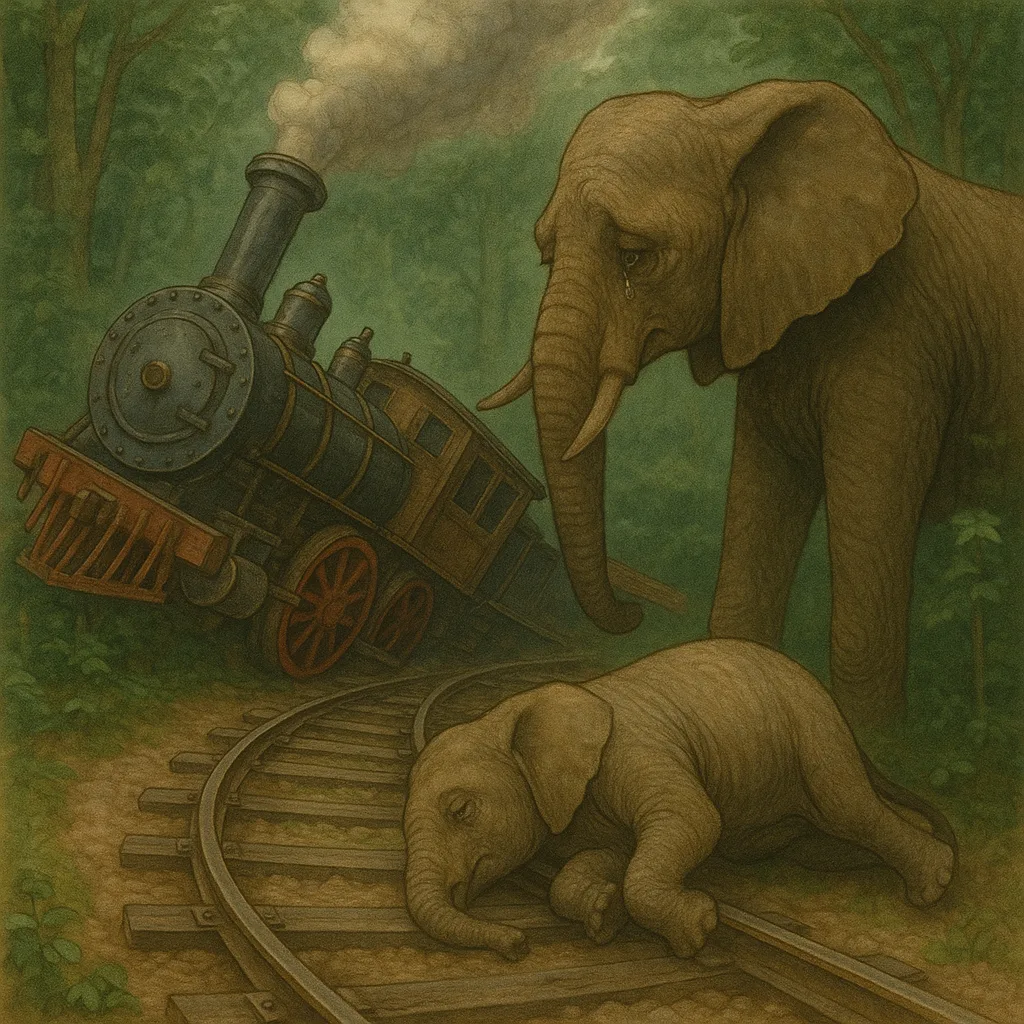
In the annals of Perak's history, there are various unique events that illustrate the conflict between man and nature. One of the most shocking incidents was the tragic collision between a train and a herd of elephants on September 17, 1894, in Teluk Anson (now Teluk Intan), Perak.
This event not only recorded the first accident of its kind in the history of railways in Malaya but also exposed the tension between modern development and the natural ecosystem. This story is not just about an accident, but also about the vengeance of a bull elephant that lost its calf and took desperate action to attack the train in retaliation.
Horrifying Moments on the Railway Tracks
On the afternoon of September 17, 1894, a steam train belonging to Perak Railways was traveling from Tapah Road to Teluk Anson. The train was carrying three passenger carriages, mostly consisting of merchants and mine owners who had just finished surveying mining areas in Perak.
Driven by an English engineer, the train was speeding at 40–50 miles per hour, a relatively fast speed for steam engine technology at the time. Unexpectedly, a group of wild elephants was waiting in the middle of the tracks, led by a large bull elephant.
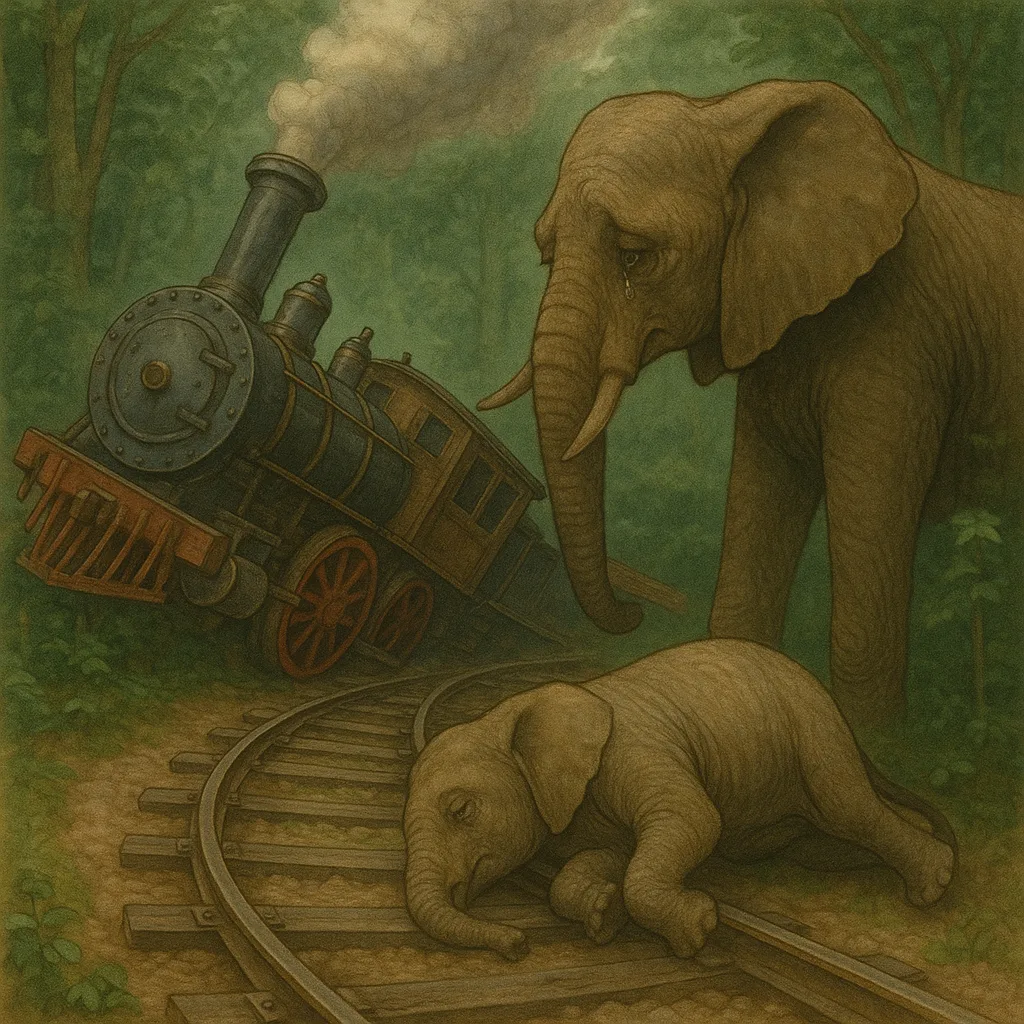
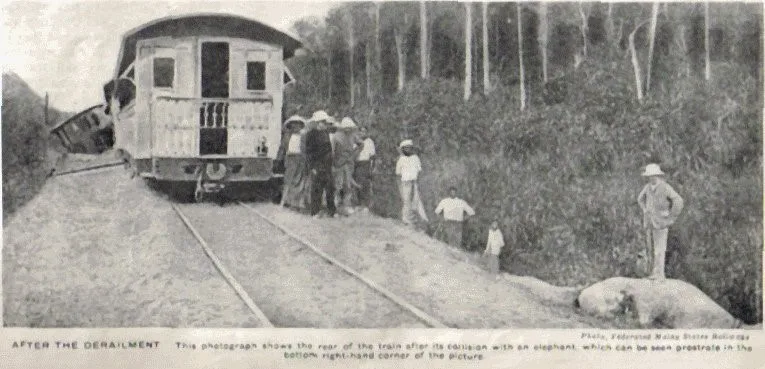
According to local villagers, the bull elephant had planned the attack as an act of revenge. Several weeks earlier, its calf was reported to have been killed by a train in the same area. In a state of rage and "fury," the bull elephant attacked the train head-on with full force.
Train Derails, Elephant Killed
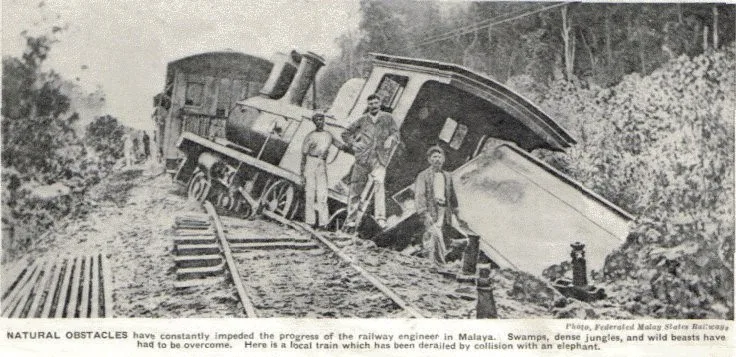
With extraordinary strength, the bull elephant rammed the locomotive, causing the train to derail. Several carriages were severely damaged, and two Indian railway workers were reported to have died from severe injuries. No passengers were injured in the incident, but they were forced to walk nearly three miles to the Teluk Anson Railway Station.
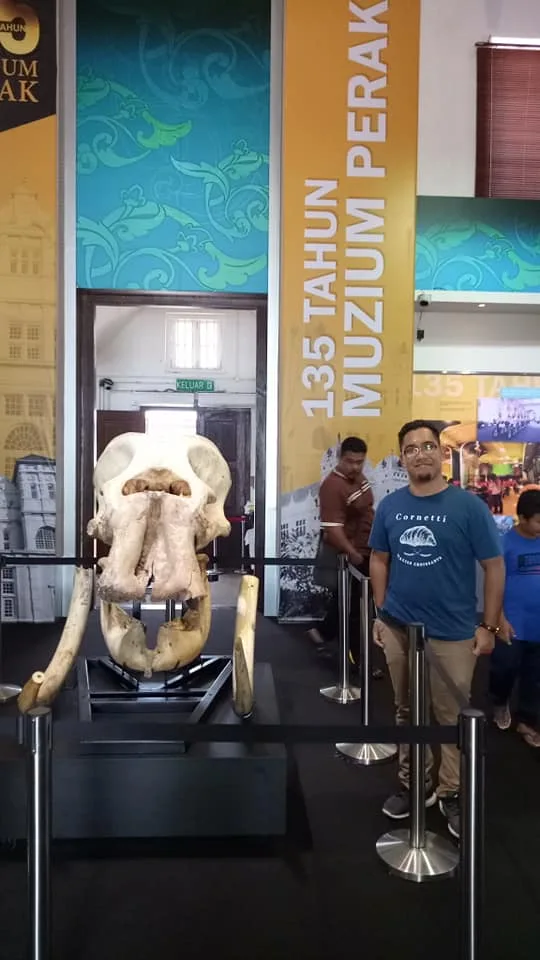
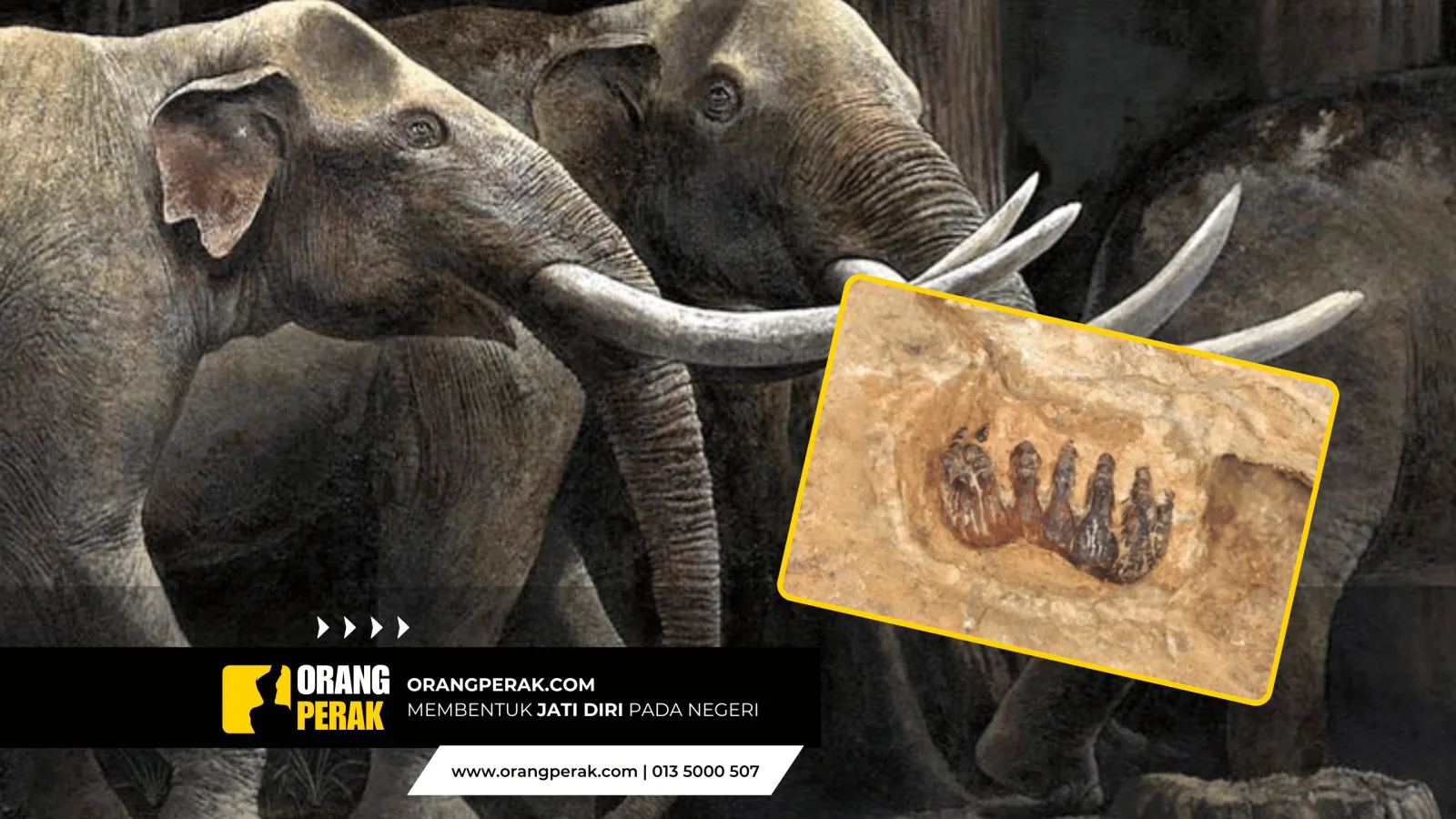
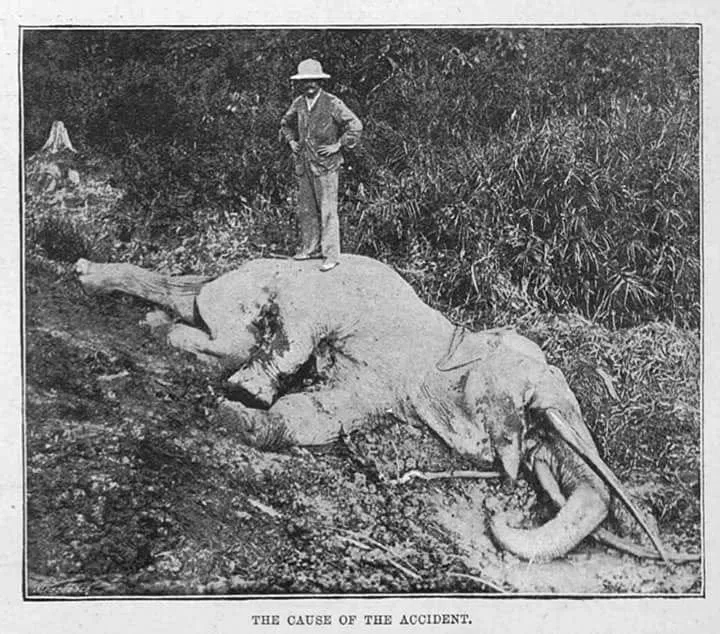
The bull elephant itself died at the scene due to the sheer force of the impact. Its extraordinary size, said to be taller than the train carriage, was proof of the animal's power before it met its end. The skull and a pair of tusks were later displayed at the Taiping Museum, while a thigh bone nearly one meter high is kept at the KTM Johor Bahru Museum.
An old photograph also shows an English merchant standing proudly on the elephant's carcass, as if capturing the "victory" of man over nature.
A Memorial Nearly Lost to Time
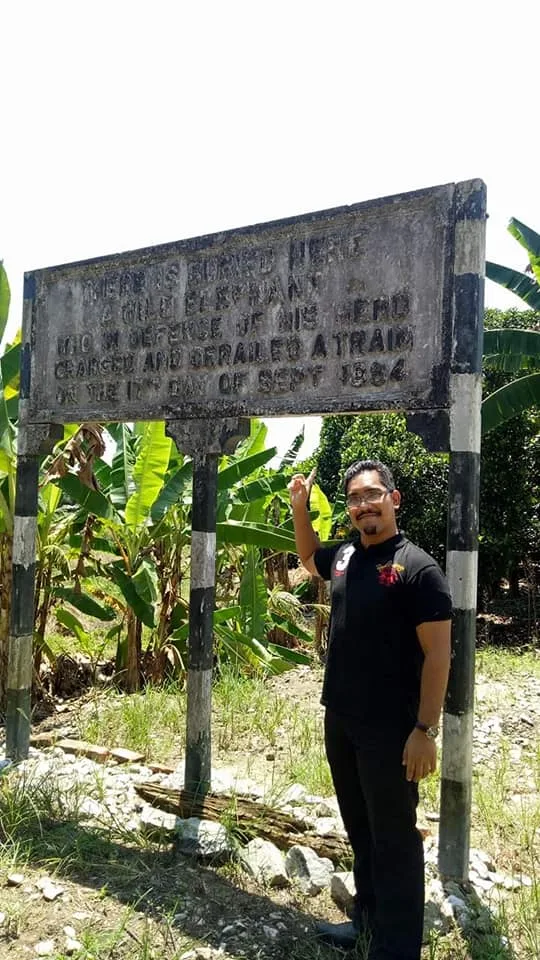
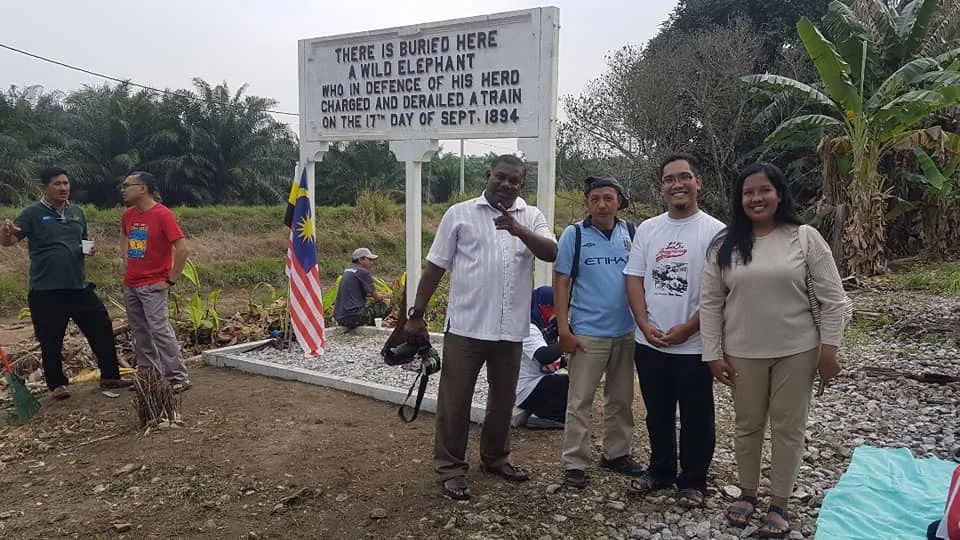
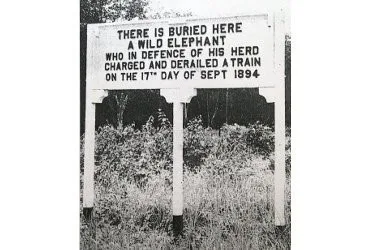
To commemorate this extraordinary event, the British railway administration erected a memorial near the site of the incident. On the sign, the following words were inscribed:
"THERE IS BURIED HERE A WILD ELEPHANT WHO IN DEFENCE OF HIS HERD CHARGED AND DERAILED A TRAIN ON THE 17TH DAY OF SEPT 1894."
"Here lies buried a wild elephant who, in defense of his herd, attacked and derailed a train on September 17, 1894."
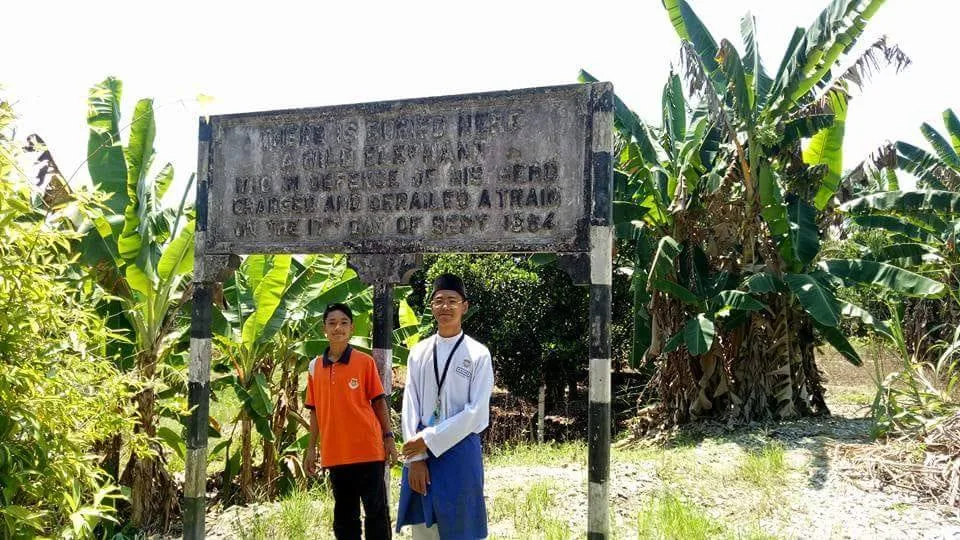
However, due to the passage of time, the memorial was nearly destroyed. The railway line from Tapah Road to Teluk Intan was closed in the late 1980s due to operational losses, leaving the area overgrown with bushes. The sign became increasingly dilapidated, its paint faded, and the text became unreadable.
Conservation Efforts by History Enthusiasts
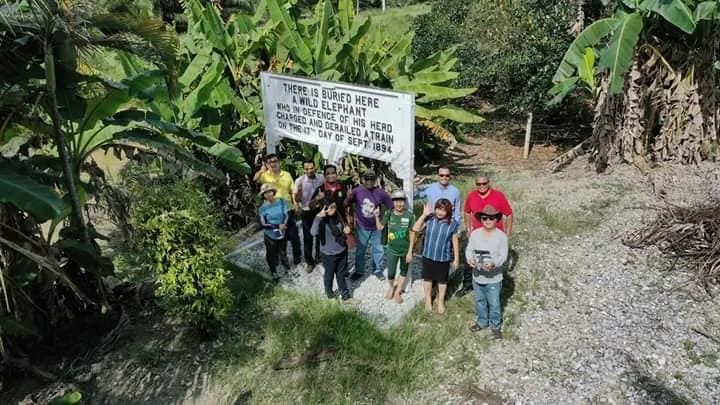
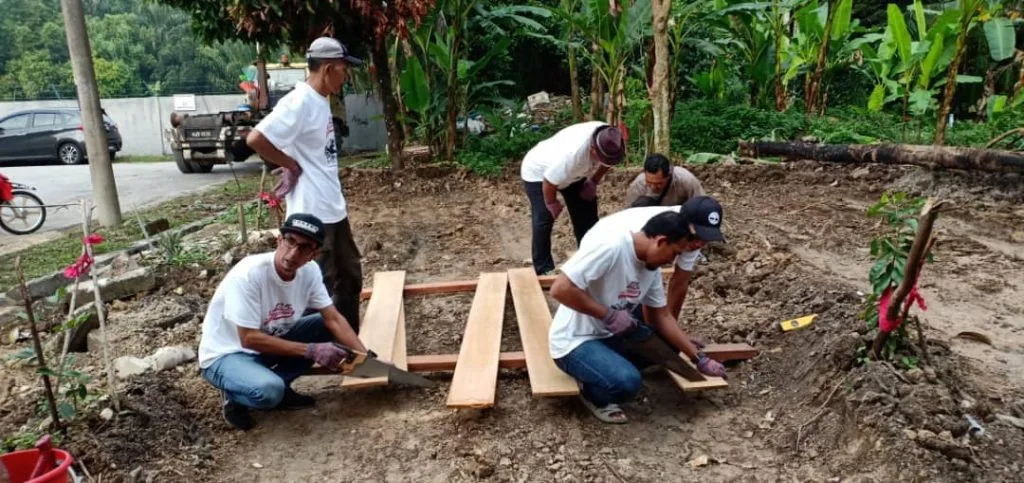
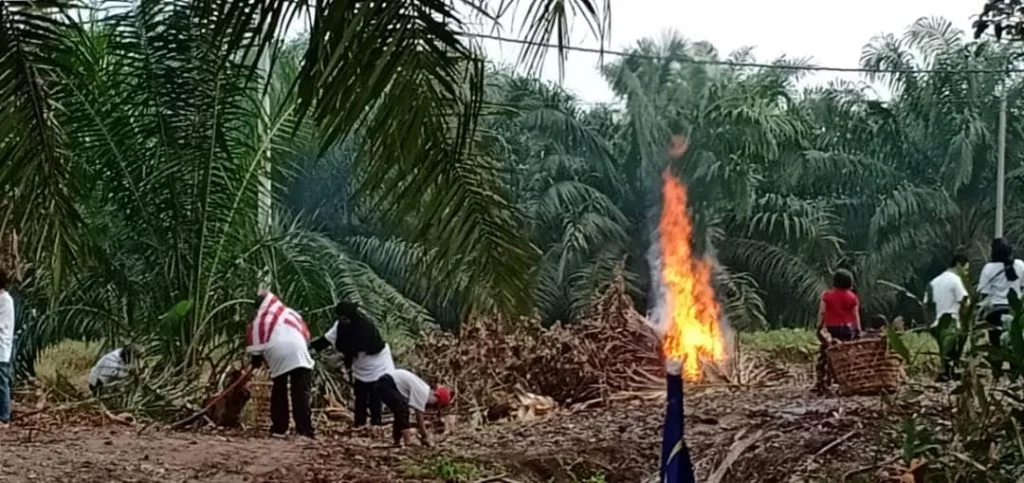
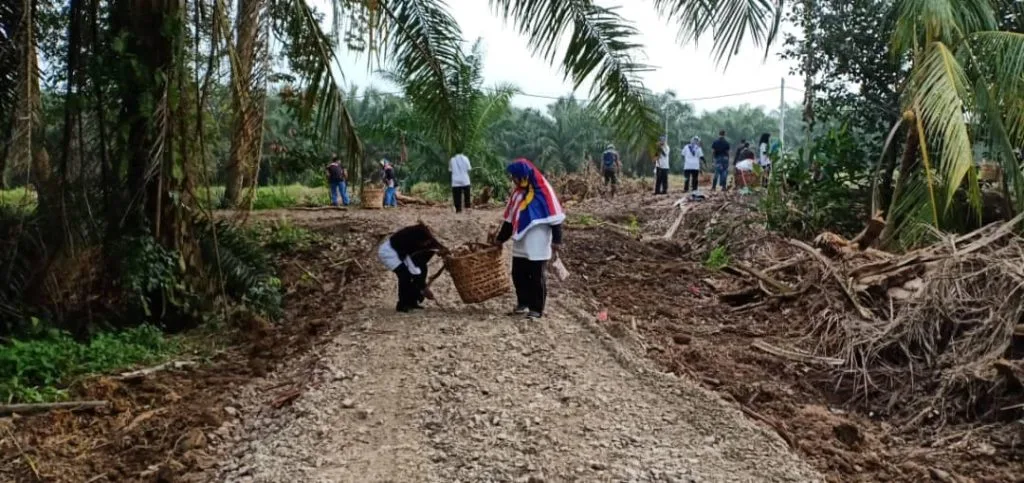
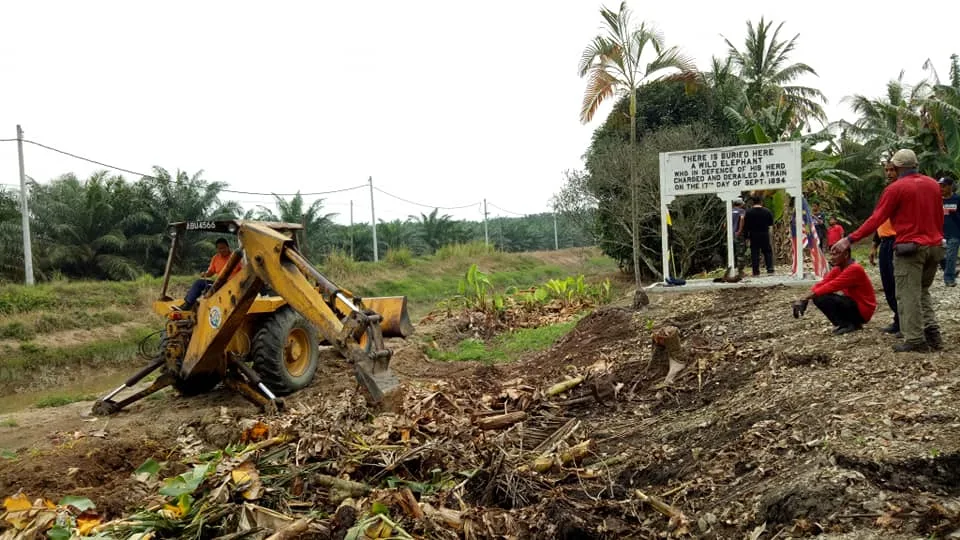
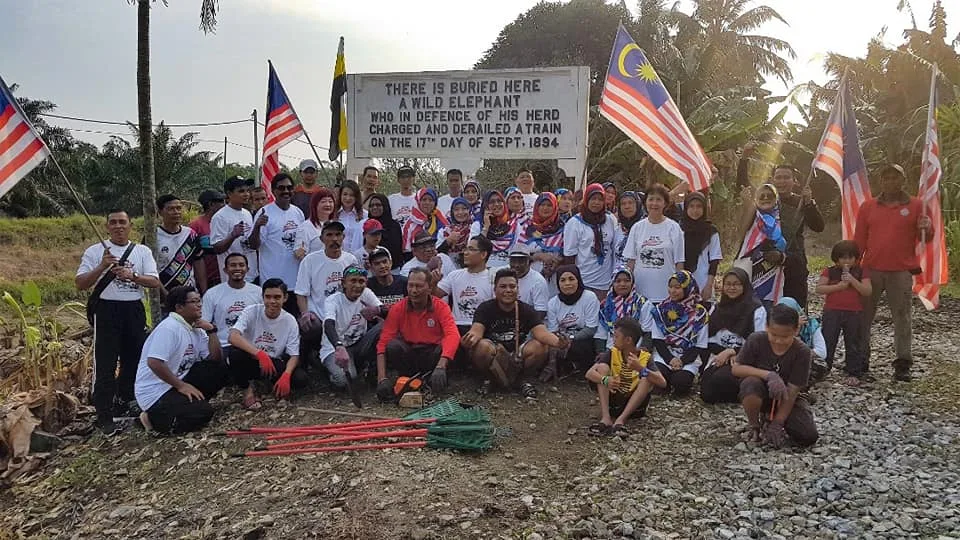
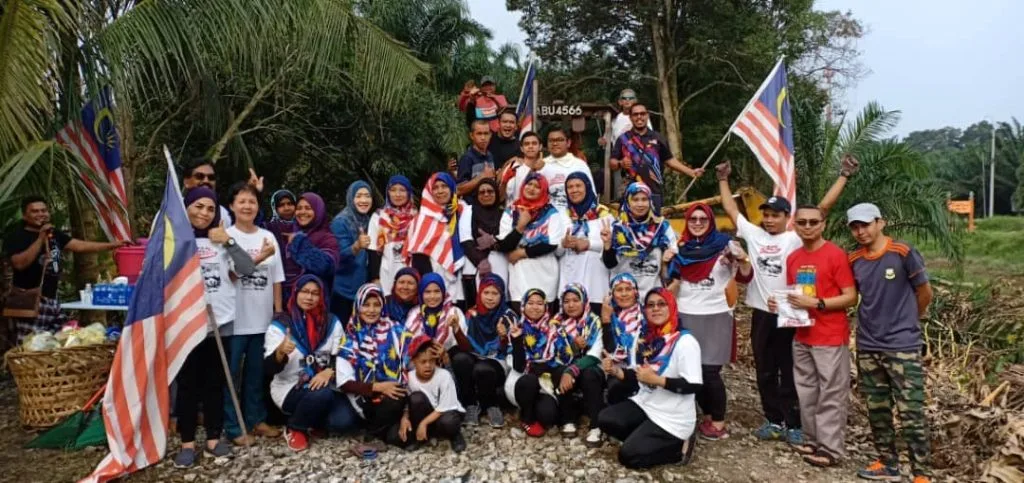
Towards the end of 2018, a group of volunteers from Orang Perak, together with the Perak Community History Lovers Association and the Teluk Intan Artists Association, rose to preserve the memorial. Led by Mr. Iskandar Zulqarnain (who is also the admin of Orang Perak), they carried out an initiative to restore and repaint this historic sign.
With help from Mr. Badrul Hisham and donations through the Orang Perak website at the time, the project secured enough funds to restore the memorial. The project even received financial support of RM2,000 from YB Nga Kor Ming, the Member of Parliament for Teluk Intan.
However, now, nearly 7 years after the memorial was restored and became a tourist attraction, it has become dilapidated and worn out again. Even the path built to facilitate visitors who want to learn about this tragic story is now overgrown with weeds. Orang Perak hopes that we can all take the initiative to save this memorial once again.
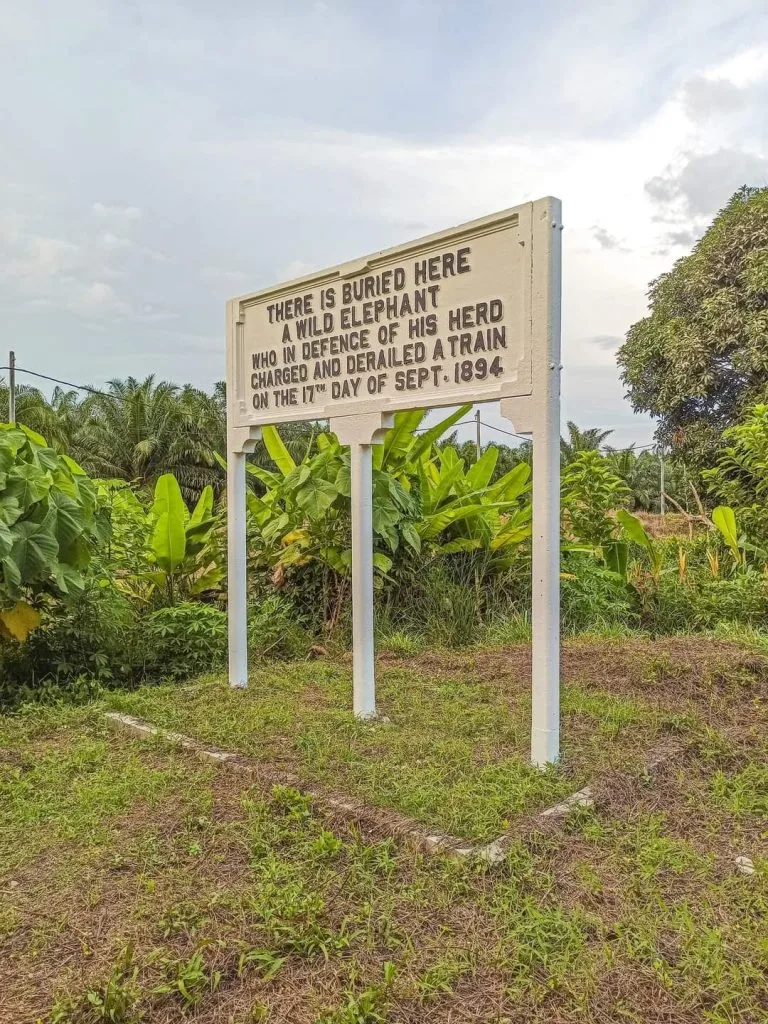
Additionally, in 2020, through the Teluk Intan Heritage Trail Project funded by the CIMB Foundation, an information board was erected here to make it easier for visitors to understand the history of the elephant-train collision that once occurred. With such signs, visitors will be able to better understand and appreciate the experience of being at the historic site.
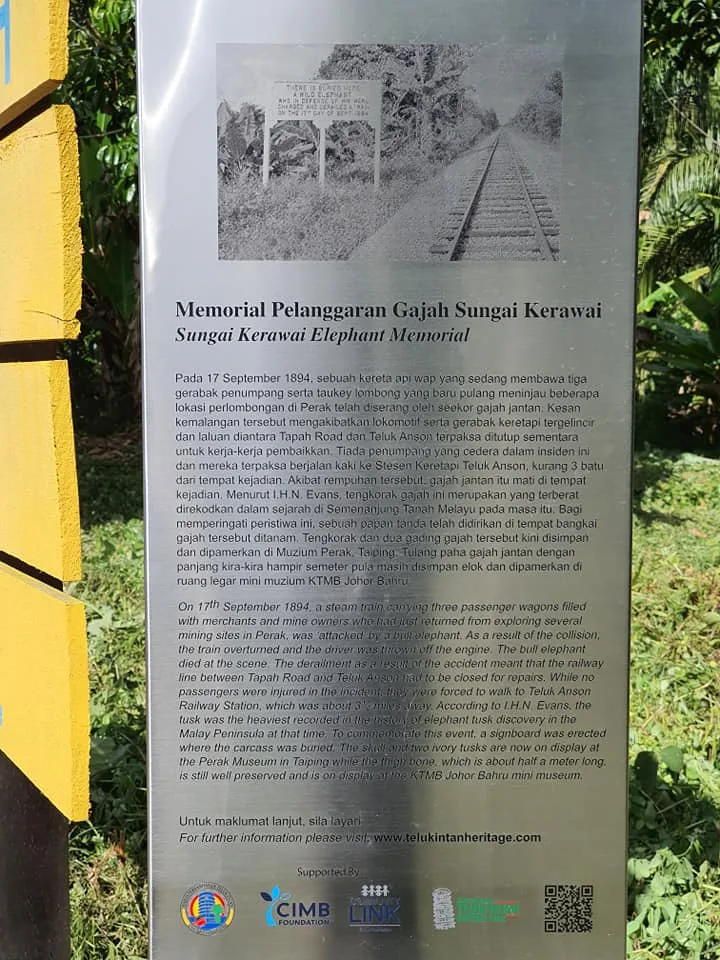
The Teluk Intan Heritage Trail Project was led by Mr. Iskandar Zulqarnain, who is also a representative of the Orang Perak team through the Perak Community History Lovers Association. Through this project, 20 historical information boards were erected at 20 historical sites around the town of Teluk Intan.
Man vs. Nature — Who Won?
The tragedy of 1894 was not just a train accident, but a symbol of the conflict between human progress and the environment. The bull elephant might be seen as an "aggressor" in the human narrative, but to nature, it was a victim of unchecked development. This story reminds us that every human action against nature can have unexpected consequences.
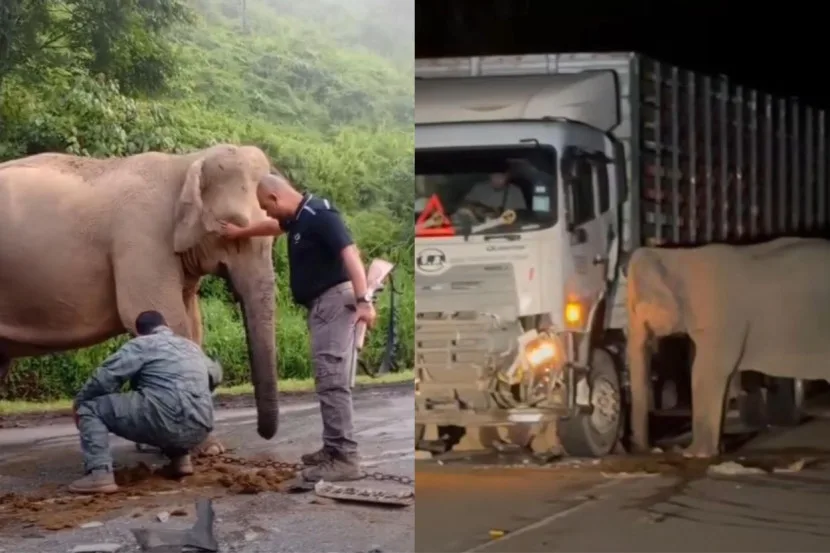
The story of the elephant calf hit by a lorry on the Gerik-Jeli route yesterday touched many hearts. It is like a repetition of what happened 131 years ago in Teluk Intan. Such incidents should be avoidable if more efforts to save wild animals are made by the authorities and by us as responsible humans.
Conclusion
More than 125 years later, the Teluk Anson incident remains a legend in Malaysian railway history. It not only reminds us of early railway technology but also of the importance of balance between development and nature conservation. The existing memorial is not just a historical marker, but an eternal reminder that nature also has its own way of taking revenge.
References:
- Today in History, National Archives of Malaysia
- The Straits Times (April 20, 1963) p. 14
- Jejak Warisan Teluk Intan FB Page
- Iskandar Zulqarnain FB
- orangperak.com website