The Sword Once Owned by Parameswara Is Now Inherited by the Sultan of Perak
Not many Malaysians, and perhaps not even the people of Perak themselves, are aware of the various artifacts that serve as regalia symbolizing the sovereignty of the Perak Malay Sultanate.
The Perak Sultanate itself is a continuation of the great Malay Melaka Kingdom that once ruled the Malay Peninsula. This time, we would like to touch upon the magnificent sword that is one of the regalia of the Perak Sultanate, namely the Cura Simanjakini Sword. This sword, mentioned in the Sulalatus Salatin manuscript, is a legacy of the Melaka Sultanate, inherited from the Temasik Kingdom and originating from the great ancient Malay Kingdom, the Srivijaya Empire of the Mauli dynasty.
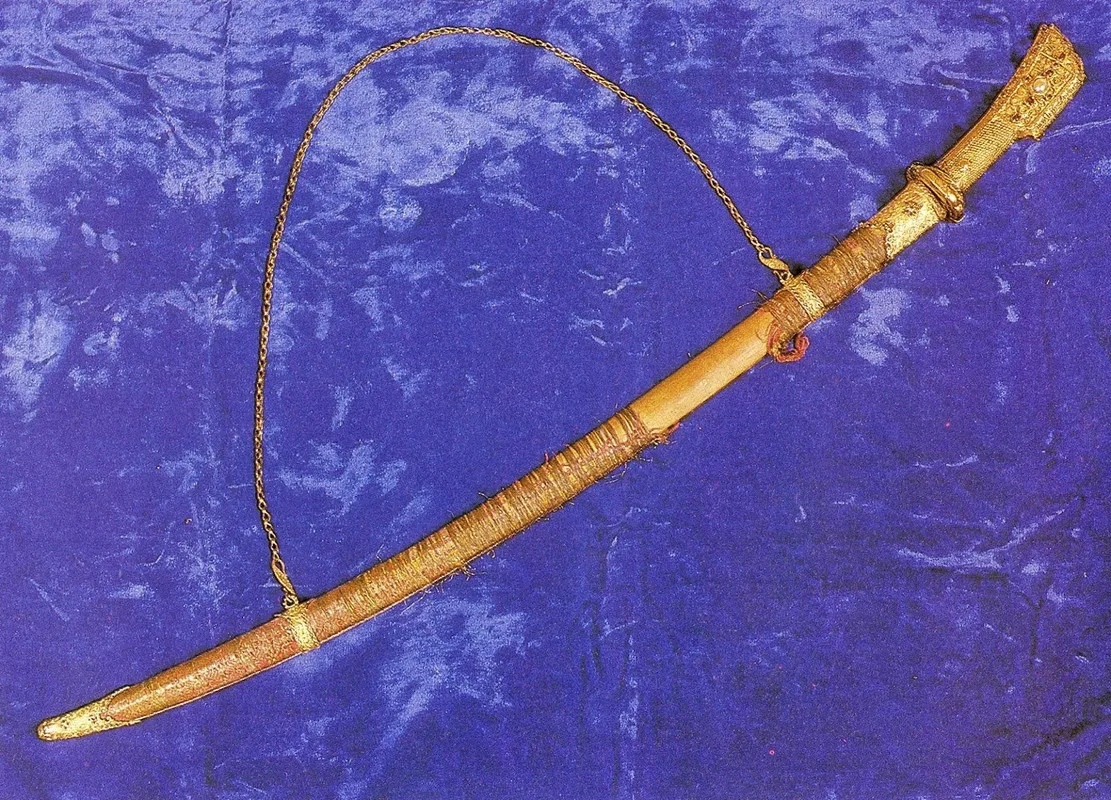
The name Cura Simanjakini comes from the Sanskrit words "Churiga Si Mandakini," which means a sword or knife from Mandakini. According to the History of the Kings of Perak, the Sultan of Perak is a descendant of Sang Sapurba, the son of Raja Suran and Princess Mahtab al-Bahari, the daughter of Aftab al-Ardzi, who was a descendant of Alexander the Great (Iskandar Zulqarnain). Sang Sapurba was also known as Sri Nila Pahlawan. The Cura Simanjakini sword was brought by Sang Sapurba to Mount Saguntang Mahameru in Palembang. There, Sang Sapurba married Wan Sendari, the daughter of Demang Lebar Daun. It was there that the covenant between Sang Sapurba and Demang Lebar Daun was sealed, where the Malay people agreed to accept Sang Sapurba as their sovereign. According to the Malay Annals (Sejarah Melayu), Demang Lebar Daun was the first person to use the terms "Yang di-Pertuan" (His Majesty) and "Patik" (your humble servant) when speaking to a king, as Sang Sapurba was a descendant of great kings. Sang Sapurba asked, "What is it that my father desires?" Demang Lebar Daun replied, "My sovereign, all my descendants are ready to be servants to your majesty, provided they are treated well by your descendants. And if they commit a sin, no matter how great, do not disgrace them or insult them with harsh words. If the sin is great, they may be executed, provided it is in accordance with Sharia law."
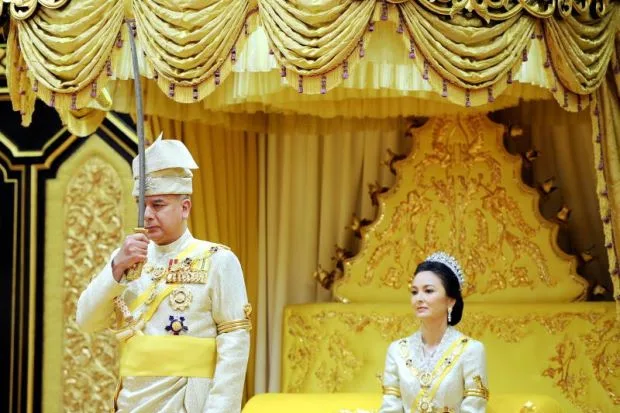
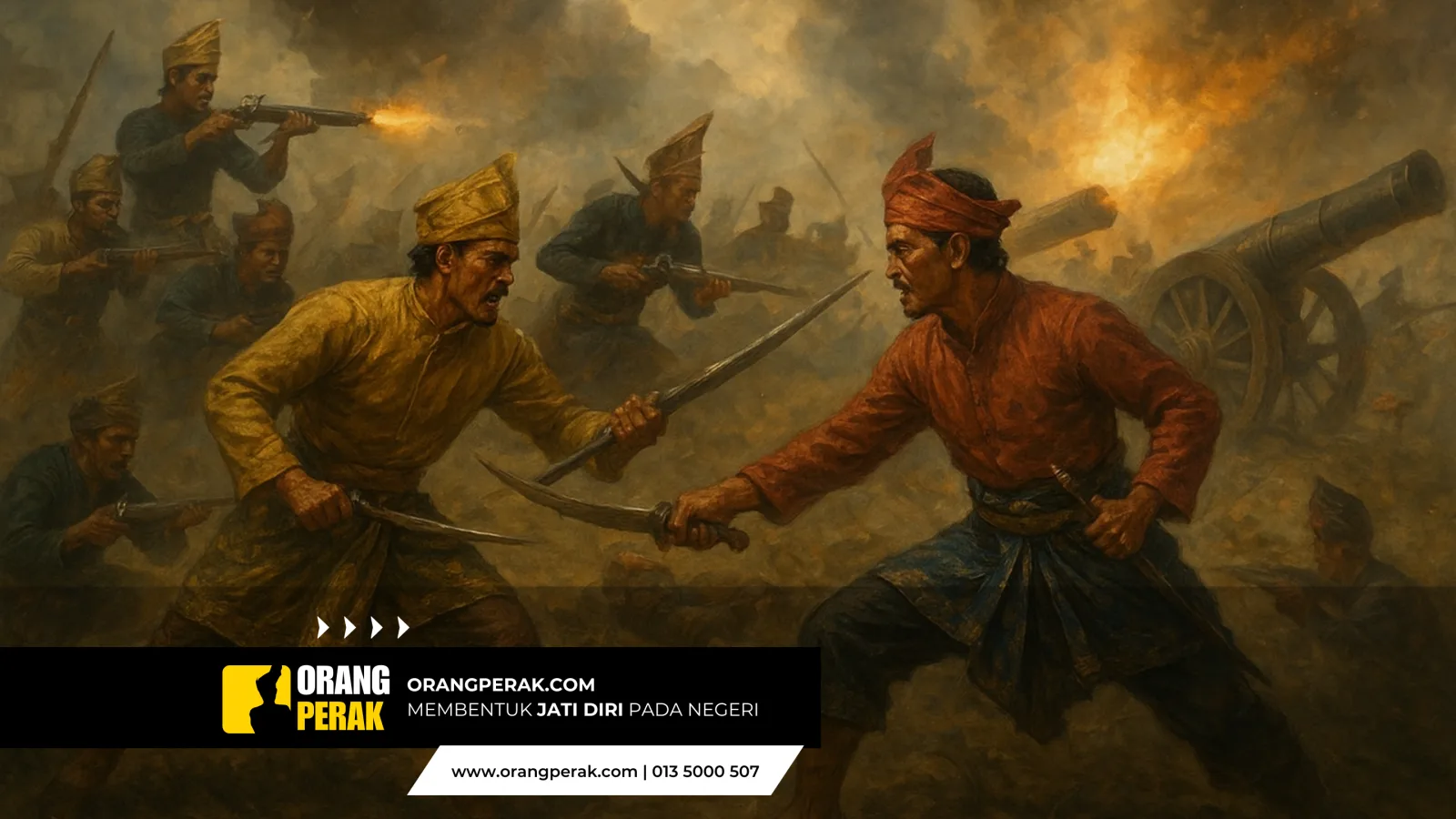
Sang Sapurba then replied, "I grant what you ask. But I ask for one promise from you." Demang Lebar Daun asked, "What promise is that, my sovereign?" Sang Sapurba answered, "May your descendants never betray mine until the end of time, even if they are tyrannical or have bad character." Demang Lebar Daun replied, "Very well, my sovereign. But if your descendants are the first to break this, then my descendants will also break it." Sang Sapurba said, "Very well, I accept that covenant." They swore and made a firm promise that whoever changed or violated the agreement would have their house roof turned upside down by God, with the pillars pointing to the sky. Sang Sapurba then continued his journey to the Minangkabau region, where he is said to have ordered a warrior named Permasku Mambang to use the Cura Simanjakini sword as a weapon to kill a snake or beast named Saktimuna, which had caused chaos and killed many innocent people. Permasku Mambang succeeded in killing the Saktimuna snake by slicing it into three parts, and Sang Sapurba was crowned as the first Malay king. Parameswara used this Cura Simanjakini sword during his coronation as the King of Melaka and later adopted the title of Sultan in 1405, subsequently passing the sword down to his descendants. The sword was taken to Kampar during the retreat of Sultan Mahmud Shah after the city of Melaka was captured by the Feringgi (Portuguese). The Cura Simanjakini sword was bestowed upon his son, Raja Muzaffar, and brought to Perak when Sultan Muzaffar Shah became the first Sultan of Perak in 1528. Since then, the Cura Simanjakini sword has remained an important piece of Perak state regalia to this day.
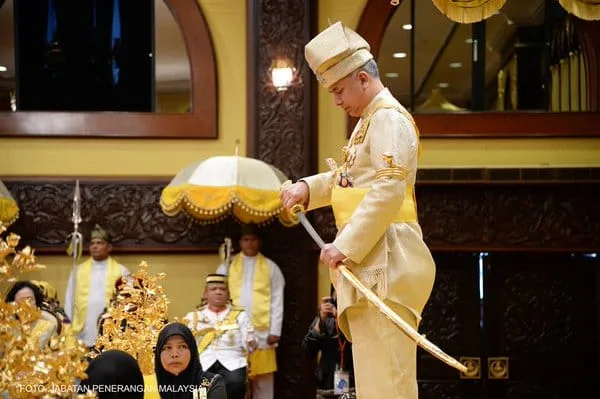
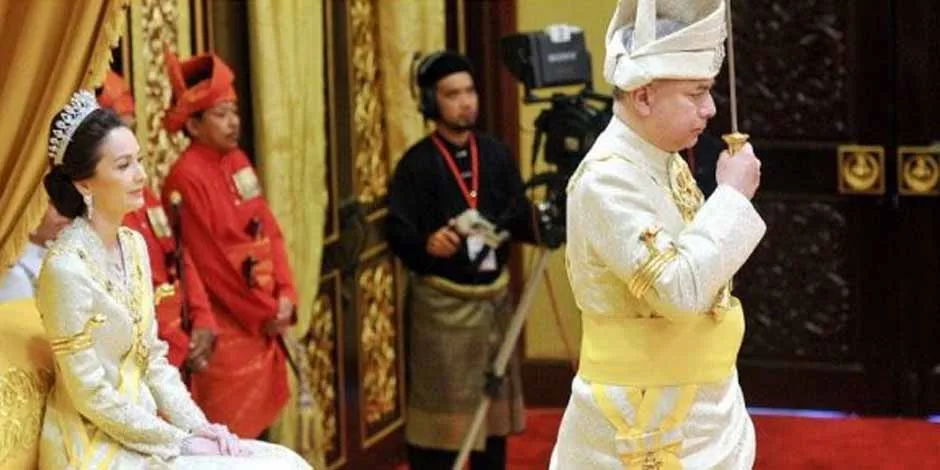
The Cura Simanjakini sword was said to have been taken to England during a dispute between Sultan Ismail and Sultan Abdullah Muhammad Shah, which subsequently led to the assassination of J.W.W. Birch in Pasir Salak in 1875. A Sultan of Perak cannot be installed as Sultan if the Cura Simanjakini sword is not present. During the coronation ceremony, the Raja Chik Muda Pawang Diraja presents the Cura Simanjakini sword to the Sultan. The Sultan will unsheathe the sword and kiss its hilt. The sword is then sheathed again and carried on the right shoulder, just as it was carried by Sang Sapurba when he made the covenant with Demang Lebar Daun.