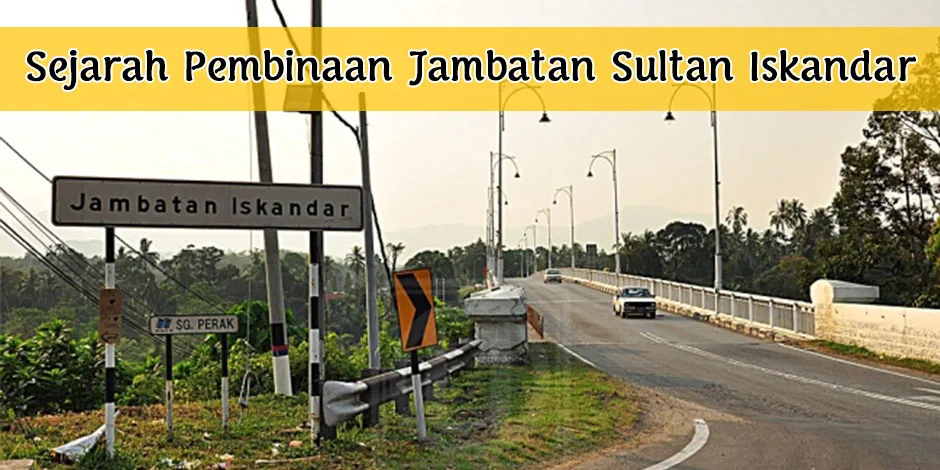
The History of the Construction of Sultan Iskandar Bridge in Kuala Kangsar
There is much interesting history regarding the bridges spanning the Perak River. Before the construction of the Sultan Iskandar Bridge (also known as the Iskandariah Bridge), the only bridges connecting roads across the Perak River in the Kuala Kangsar area were pontoon bridge structures in Enggor and Belanja.
These structures were built in 1892 and 1929 respectively. During its existence, the Enggor Bridge was damaged no fewer than four times due to floods, and both the Enggor and Belanja bridges were destroyed by the great flood in December 1931, severing road access across the Perak River. The Sultan Iskandar Bridge is one of the four main bridges in Kuala Kangsar. This 308-meter-long bridge spans the Perak River and was built using steel.
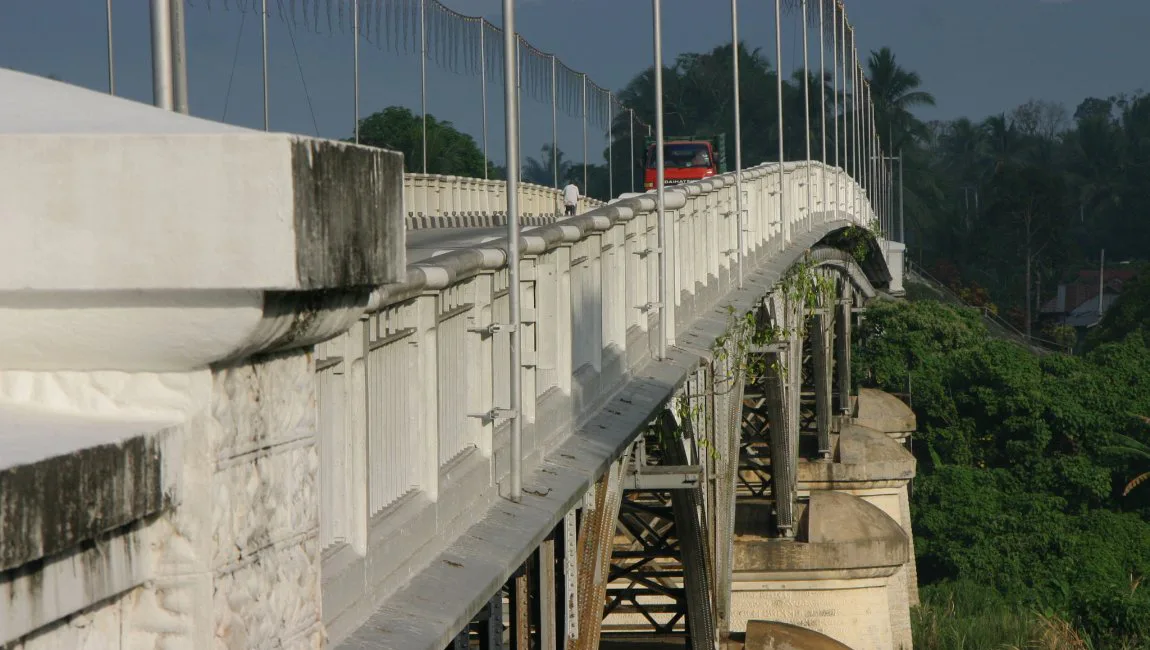
This bridge remains the longest steel bridge in Malaysia. Traffic on this bridge later decreased significantly after the Sultan Abdul Jalil Shah Bridge (Sayong Bridge) was completed and opened to traffic in 2003, alongside the completion of the North-South Expressway. Proposals for the construction of a new bridge spanning the Perak River were voiced as early as 1912. The proposal was to modify the Victoria Railway Bridge near Karai so that it could be adapted for use by both trains and other land vehicles. However, the proposal was not approved by the British Government. In 1913, it was proposed to design a permanent bridge in Enggor, and in 1914, a vote was held to determine the construction cost of the bridge. However, no concrete steps were taken until 1923, when damage to the pontoon bridge caused dissatisfaction among the local community. In that year, a new bridge design was created, and following the great flood of 1926, the design was carefully revised, followed by the construction of the Sultan Iskandar Bridge. The Sultan Iskandar Bridge was designed in London and built by Messrs. James Craig Ltd, a company registered in Klang. The company was awarded the contract in April 1928, but due to the depth of the bridge foundations required, the contract timeline was extended. The bridge measures 928 feet in length, consisting of seven large steel piers mounted on concrete foundations, standing 60 feet above the river level. Built along with a road connecting the bridge spanning four thousand feet, the total construction cost amounted to 1,500,000 pounds sterling.
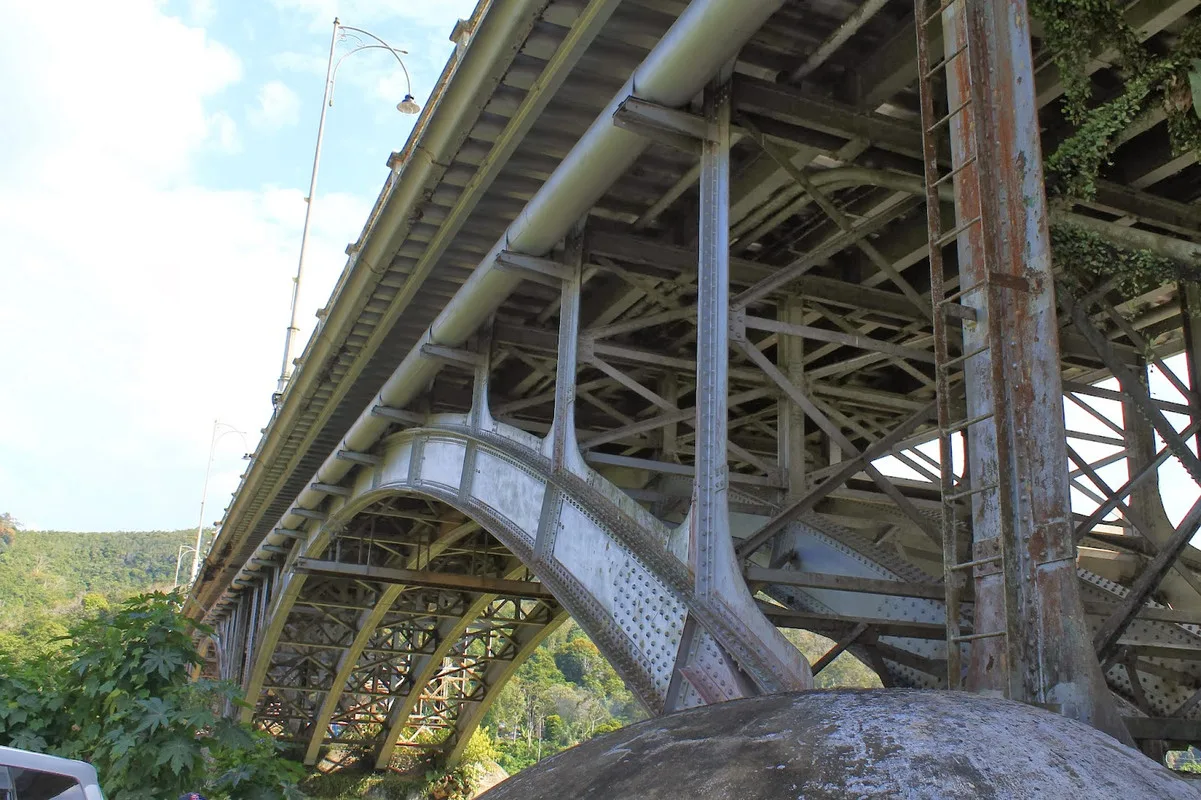
During the construction of the bridge, several engineering difficulties were reported. The foundation on the Kuala Kangsar side was good, but on the opposite side, engineers reported they had to sink steel fifty feet below the river before reaching solid bedrock. A caisson (a watertight structure for building bridge foundations) was submerged for some time using forty-foot-long and five-foot-wide merbau logs, buried sixteen feet below the riverbed. It was later removed by divers. Another incident occurred during the flood of December 1931, when the river water level rose to within a foot of the top of the jetty, washing away some steel works, overturning a five-ton crane, and sweeping away a European engineer and several workers. They were all successfully rescued. Upon completion, the Sultan Iskandar Bridge used nearly fifteen tons of concrete and seventeen tons of steel, which were manufactured in Britain. One interesting fact from that time is that although many residents in the surrounding area were infected with malaria, only 28.1% of the laborers involved in the bridge construction contracted the disease. The road on the bridge was thirty feet wide and capable of supporting two-ton vehicles at a speed of forty miles per hour (64km per hour). This was a significant improvement compared to the old pontoon bridge, which required vehicles from the opposite side to stop if other vehicles were crossing, causing congestion. This issue was successfully resolved with the construction of this bridge.
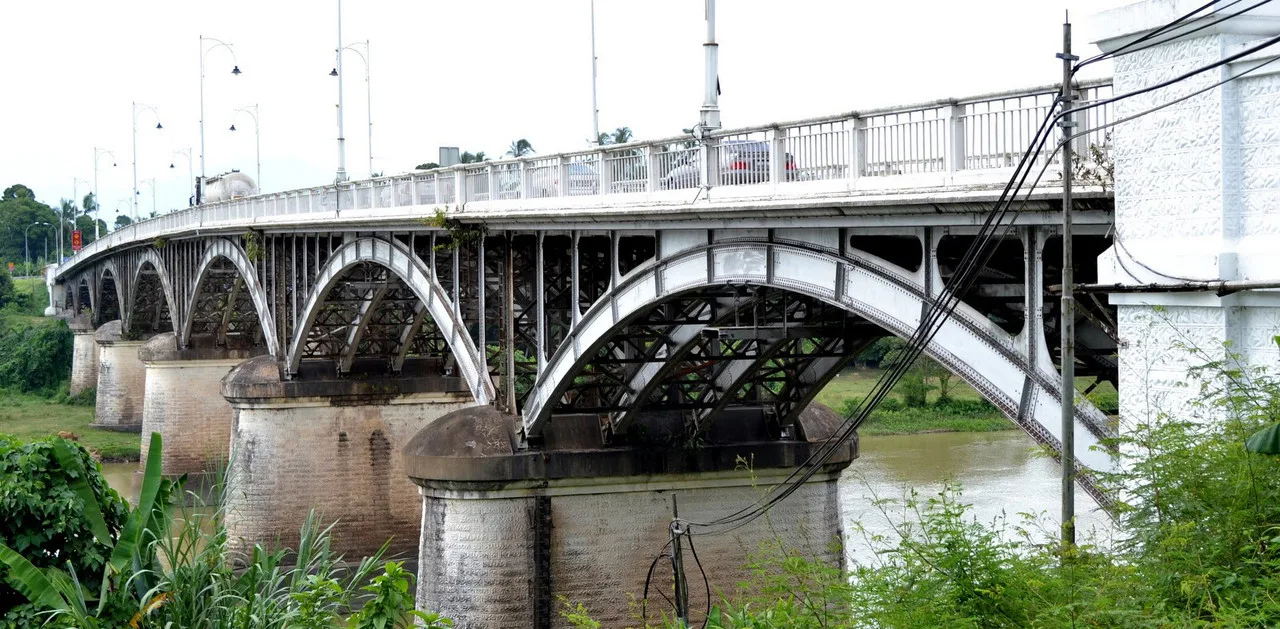
The bridge was officially opened by the late Sultan Iskandar at 10 am on June 29, 1932. During the ceremony, Sultan Iskandar cut the ribbon spanning the path in the middle of the bridge using scissors presented by Mr. C. Grieve, Managing Director of James Craig Ltd, the contractor that developed the bridge. After the ceremony concluded, all guests headed to a tent erected at the end of the bridge towards Ipoh, where a banquet was prepared. In his speech, Sultan Iskandar expressed his pleasure regarding the bridge named after him. Mr. C. Grieve then presented Sultan Iskandar with a souvenir in the form of a silver inkwell shaped like the bridge. In his speech, he prayed that the Sultan and the royal family would be granted well-being and long health, and be given the strength to continue peace and prosperity as long as the Perak River flows. When the Sultan Iskandar Bridge was completed, it was the largest road bridge in Malaya at the time. The bridge was one of the most important roads connecting the north to the south before the construction of the North-South Expressway (PLUS). The bridge was built in Enggor on the original site of the pontoon bridge that had been washed away by the great flood in December 1931. With the opening of the Sultan Iskandar Bridge, the old Enggor pontoon bridge remains only in historical memory.
Addition: There is a secret under the bridge. Come read the revelation of the secret under the bridge here.