The History of Madrasah Al-Ihsaniah Teluk Intan, A Contribution from Sultan Idris Shah to the Ummah
The state of Perak is indeed famous for the leadership and governance of its fair Sultans who prioritize religion within the community. Since long ago, this state has produced religious figures thanks to the government's focus on the religious education system in the state, both formal and informal.
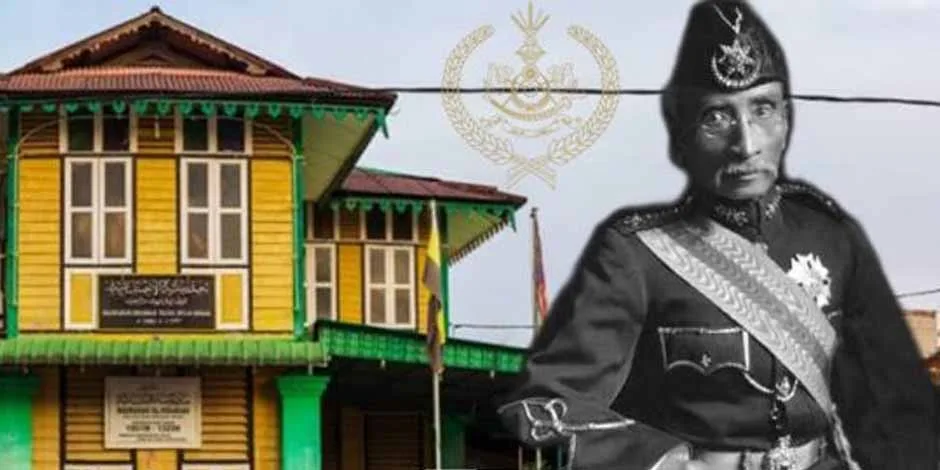
In this article, Orang Perak will touch upon the Madrasah Ihsaniah in Teluk Intan, which has its own unique history and serves as proof of the great contribution the Sultan of Perak made toward the development of this madrasah. In the state of Perak, the first modern madrasah in the state (and for the whole of Malaya) was built in 1901, located in the small town of Teluk Anson (now Teluk Intan). This madrasah was named Madrasah Al-Ihsaniah. The proposal to establish this madrasah arose after Sheikhul Islam Tuan Haji Muhammad Salih Bin Haji Muhammad Tayyib received an invitation from local leaders and a positive response from the local community in Teluk Intan.
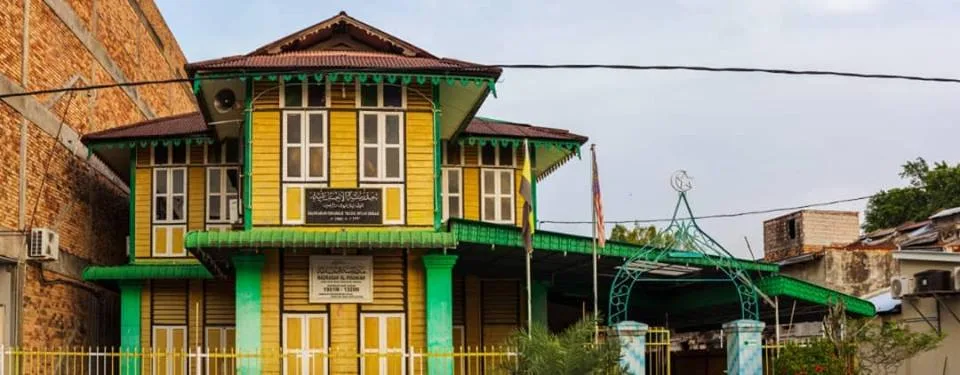
Madrasah Ihsaniah was established through endowments (waqf) from the Sultan and the community, offering studies in Arabic and Malay, and even accepting students from outside the state of Perak. The promotional advertisement for Madrasah Ihsaniah received reactions from readers of al-Imam who were also interested in obtaining an education at the madrasah. The endowment obtained to establish this madrasah was largely provided by Paduka Seri Sultan Idris Murshidul'Adzam Shah Ibni Almarhum Raja Bendahara Alang Iskandar himself. This is because His Majesty was a Sultan and ruler who cared deeply about the aspects of education and state development. His Majesty also played a role in the establishment of most madrasahs and suraus in the state of Perak.
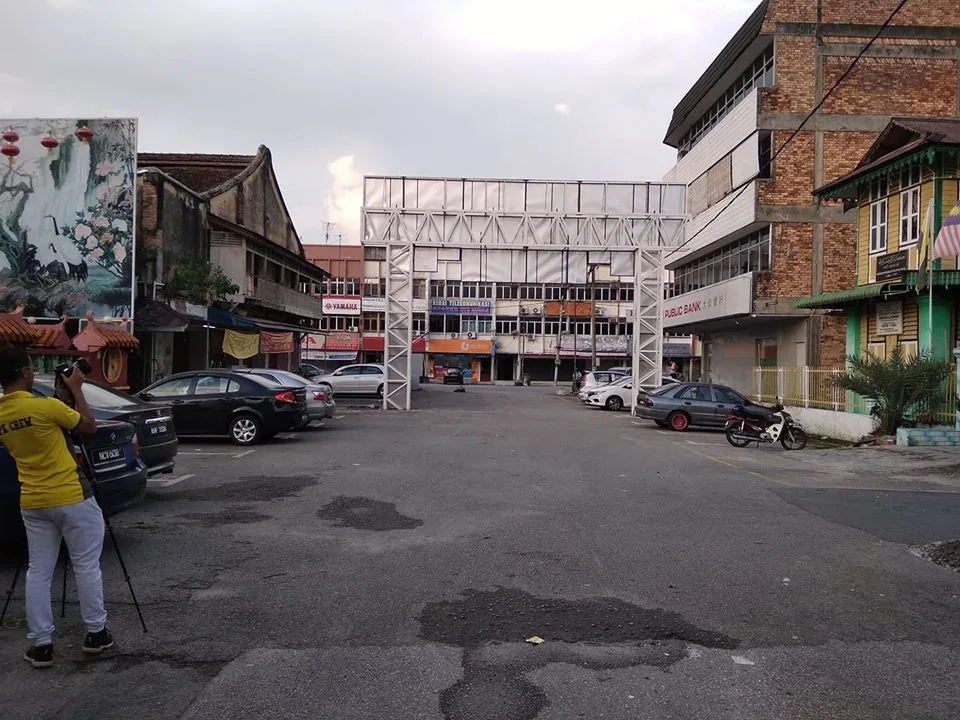
To ensure the operation of suraus and madrasahs in the state of Perak, Paduka Seri Sultan Idris Murshidul'Adzam Shah Ibni Almarhum Raja Bendahara Alang Iskandar provided a Special Fund to cover the expenses of these religious institutions.
Sources from Ku-Alam and the Straits Times newspaper