The History and Origin of the Name Rungkup, Perak
The uniqueness of Perak's new district, Bagan Datuk, is that most of the village names there begin with the words Sungai (river), Parit (ditch/canal), and Tebuk (tapped/cut), for example, Sungai Lanchang, Sungai Nipah, Parit 8 Timur, Parit Haji Ali, Tebuk Che Maja, and Tebuk Che Agus. These are all among the names found within the Rungkup state constituency.
According to local elders, the name Rungkup was actually inspired by the condition of the trees found along the rivers in the area. The view and landscape of these trees were considered unique because the position of their branches and leaves 'merungkup' (arched over), covering the ground and shading the area, with the trees appearing as if they were joined together. According to stories passed down through generations by local residents, the Rungkup area was first explored by two travelers from Selangor named Anjang Kamar Basri and his companion, Panglima Hitam. It is said that they paddled a sampan along the coast of the Straits of Malacca until they arrived at an estuary. As they were about to dock, they found that the estuary was surrounded by mangrove forests where the leaves of the trees met one another (arched over).
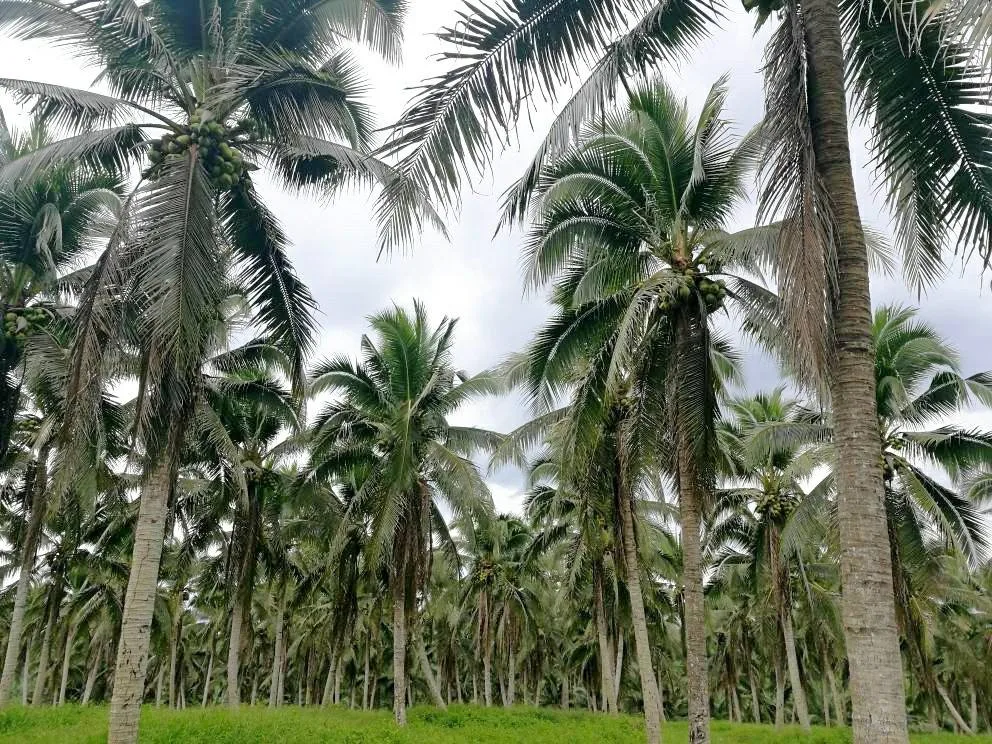
Rungkup, which has been settled since the early 19th century, is well-known as a 'coconut paradise'. The area is famous for the quality of its coconut produce and was once a major commodity for the colonial powers.
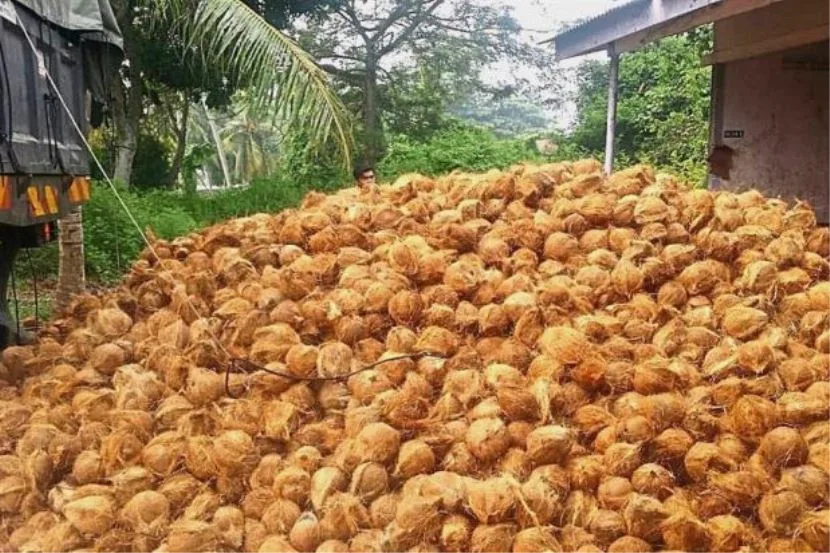
The colonial powers referred to include the British before the area was occupied by the Japanese, to the extent that the Rungkup river estuary was once used as a small port where coconut traders conducted the buying and selling of copra (dried coconut).
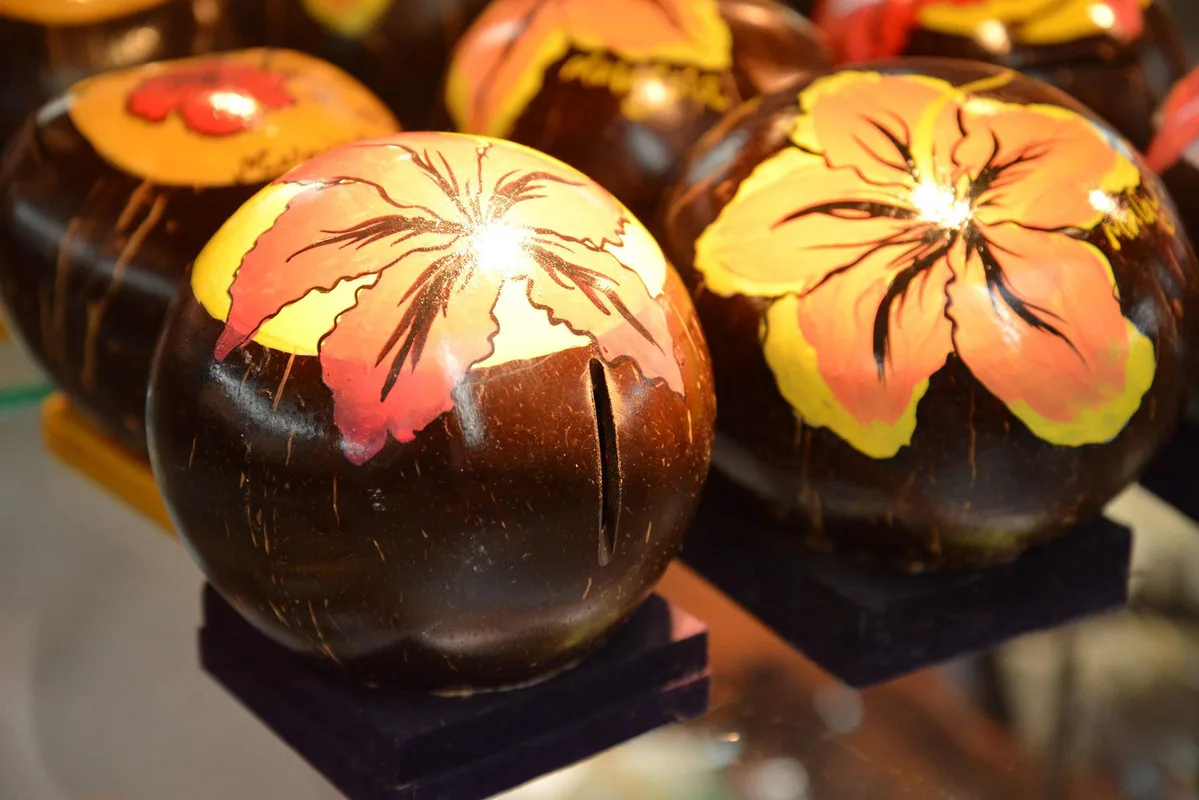
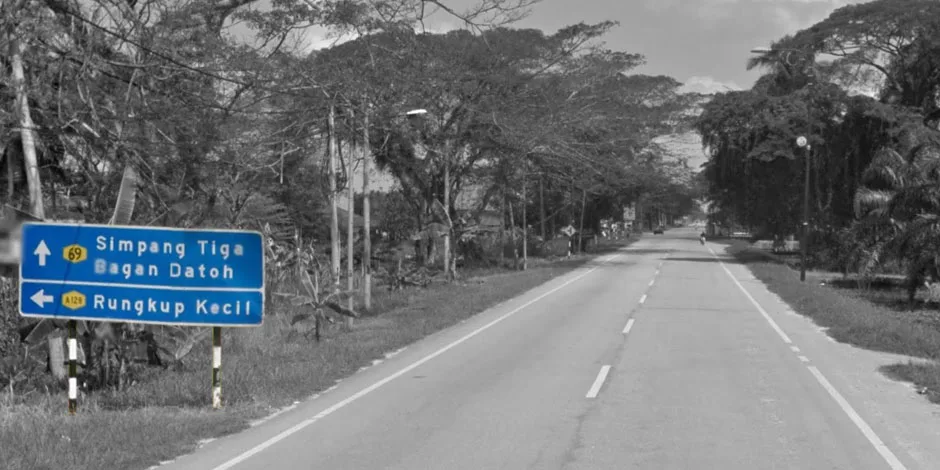
Today, the Rungkup area is divided into four village sections: Simpang Empat Rungkup, Rungkup Kechil, Sungai Burung, and Sungai Lanchang. A tradition that will never fade, the Rungkup area remains one of the main suppliers of coconut-based products such as coconut milk, coconut shell handicrafts, coconut husk, and more, to all corners of the country.