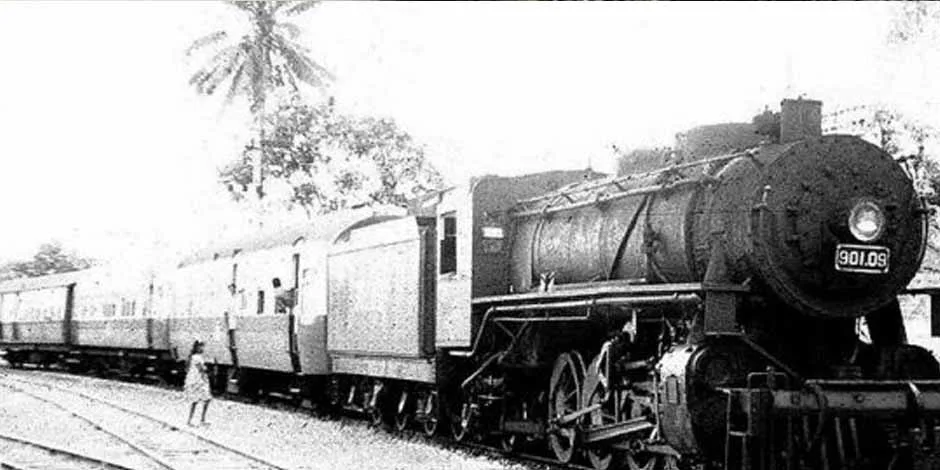
The Final Years of Steam Train Operations from Teluk Anson to Tapah Road
Before modern transportation systems were introduced, rivers served as the main communication routes and primary mode of transport for the people of Perak. Rivers were also vital for the daily activities of the residents, with settlements and towns originating along their banks.
Following the arrival of the British, several modern transportation systems were introduced in Malaya, such as trains, horse-drawn carriages, steamships, and more. In Perak, the first railway line was built in 1885, connecting Kuala Sepetang (Port Weld) to Taiping. The Perak State Railway played a key role in developing railway lines across the state. After the Kuala Sepetang-Taiping line, several major routes were opened, including Taiping-Kamunting (1890), Kamunting-Ulu Sepetang (1892), Batu Gajah-Ipoh (1893), Kota Baharu-Batu Gajah (1894), and others. The history of the Tapah Road to Teluk Intan railway line began when Archibald Edward Harbord Anson, the Lieutenant Governor of Penang, planned to build a planned town called Pekan Teluk Anson in 1882. Included in this development plan was the construction of a railway line to connect the town to the Kinta Valley, as well as a port to transport ore from the Kinta Valley to external markets. The railway line between Tapah Road and Teluk Intan started at the Tapah Road Railway Station and ended at the Teluk Anson Wharf Station (now Teluk Intan). Initially, plans for the Tapah Road-Teluk Intan line were cancelled due to geographical obstacles between the two locations. However, two Perak State Railway engineers, Spence Moss (Railway Advisory Engineer) and local railway engineer T. Scott Gardner, took the initiative to proceed with its construction. The late 1960s marked the end of the steam locomotive era in Peninsular Malaysia. Trains in our country were subsequently replaced by diesel locomotives, which were more powerful and cost-effective compared to steam engines. Peter Hodge was an individual working at the New Zealand High Commissioner's office from 1969 to 1972. Together with John Benson, he captured photographs of these final steam locomotive operations managed by the Malayan Railway Administration (MRA). Included below are photos of the last steam locomotive to serve the Teluk Anson to Tapah Road route, driven by M. Raman. The last steam train operated in 1974, after which the country's railway operations were fully transitioned to diesel locomotives.
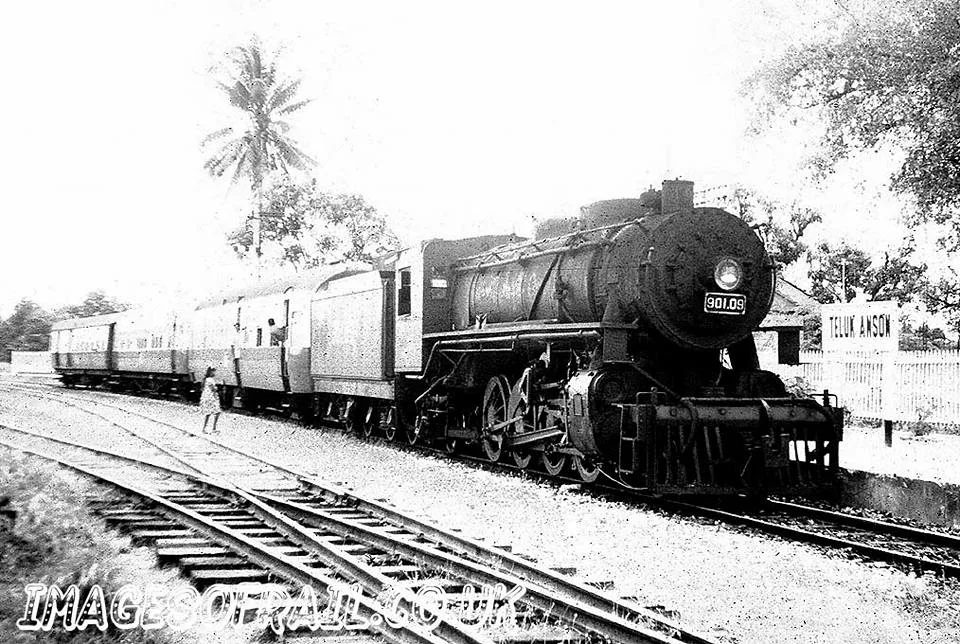
Locomotive 909.09 waiting to depart for the evening train service from Teluk Anson Station to Tapah Road on September 28, 1969
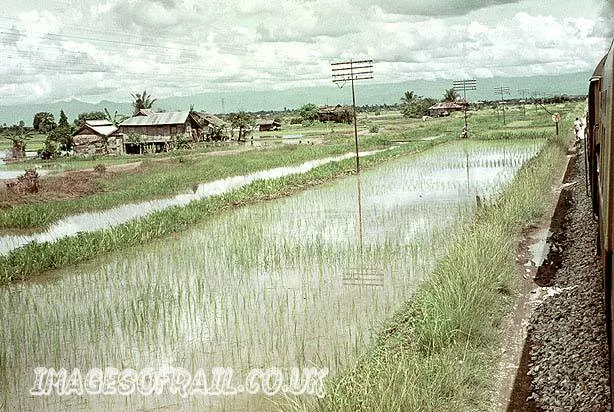
View of the village and paddy fields with the Titiwangsa mountain range in the distance
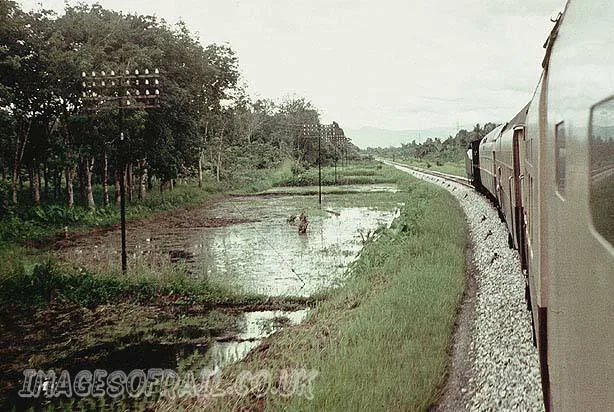
View taken between Sungai Tukang Sidin and Chikus
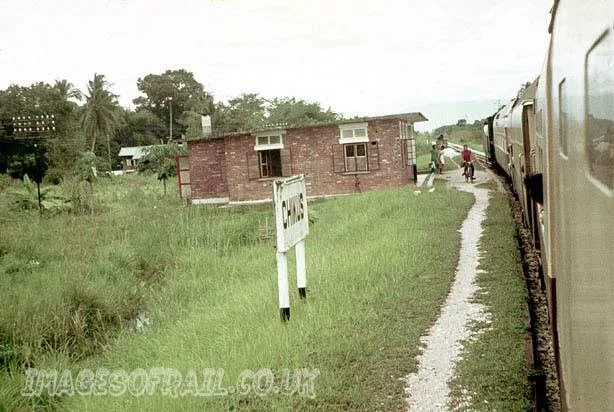
Chikus Halt, which had no platform and only a small building for ticket sales
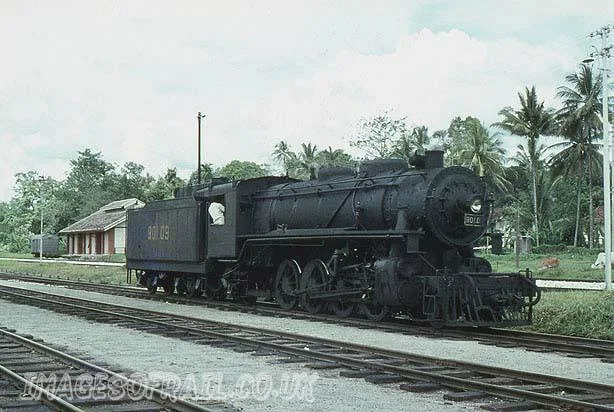
After arriving at Tapah Road, 901.09 is detached from the carriages. The locomotive is then prepared for its next operation

Train with locomotive number 901.18 ready to depart from Tapah Road to Teluk Anson on February 13, 1971
Today, it is a piece of history, and perhaps some of the younger generation no longer know how steam trains functioned or what they looked like. The photos displayed above are memories that can be shared with the public. Sources and references:
- The International Steam Pages - The Malayan Railway