The Fading Legacy of the Teluk Anson Port
Synonymous with our nation's history before Malaysia gained independence, the Teluk Intan we see today holds 1,001 stories that are slowly being lost to time.
Perhaps the younger generation today is unaware that Teluk Intan was once a major port city for the state of Perak. Teluk Intan, formerly known as Teluk Mak Intan and Teluk Anson, has its own unique history. To commemorate the early history of Teluk Intan's exploration, the story revolves around a beautiful widow from the Mandahiling community named Mak Intan. There are several versions of how Teluk Intan got its name, and you can read and refer to the article titled
3 Other Names for Teluk Intan
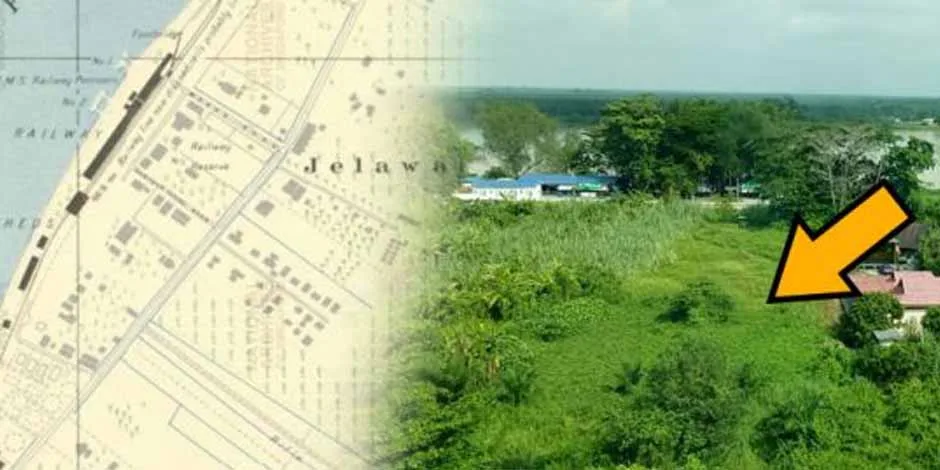
to learn more about the origins of the name Teluk Intan and a brief history of the town. Returning to the fact that Teluk Intan was once a major port city for Perak, on April 24, 2018, a local historian from Teluk Intan named Iskandar Zulqarnain uploaded a status regarding the location of the Teluk Anson Port, which was once bustling with trade activities for the state of Perak. For your information, loyal readers of orangperak.com, the Teluk Anson or Teluk Intan Wharf was also said to be one of the most important ports in the Malay Peninsula after Port Swettenham, now known as Port Klang, from 1934 to 1940. In case you didn't know, at that time, the final station of the Tapah Road to Teluk Anson railway line ended at the Teluk Anson Port. The history of the Tapah Road to Teluk Intan railway line began when Archibald Edward Harbord Anson, the Lieutenant Governor of Penang, created a plan to build a planned town, Pekan Teluk Anson, in 1882. You can refer to the article
History of the Teluk Intan to Tapah Road Railway Line
for more information regarding this matter.

At the end of 1970, the Teluk Anson port finally ceased operations. This was due to severe riverbank erosion along the Perak River near the port. The railway line was also discontinued in 1991 because it was no longer profitable and was incurring losses. This was caused by a lack of passengers, and consequently, the Shell oil company moved its processed oil transfer operations to the Lumut port.
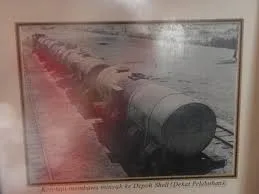
The Teluk Anson Port was said to be very busy with a multitude of steamships in the 19th century. They were actively loading and unloading goods and passengers, which was the main economic driver for the development of Teluk Anson at that time. Besides the British, Dutch, German, Chinese, and many other ships frequently used the waterways along the Teluk Anson coast. That was the main factor why land transport, such as the railway, could operate in Teluk Anson at that time.
Recorded in history on Sunday, August 1, 1896, a steamship named The S.S. Malacca entered the Teluk Anson Port, which was connected to the Perak railway line from Teluk Anson to Tapah Road as a symbolic inauguration. It turns out this port was actually used to transport natural resources from Kinta to be traded globally.

The first Teluk Anson port was located near the government complex, specifically around the Old Courthouse and the old Teluk Intan Police Station, before being moved to a site near Batak Rabit, which was larger and had banks more resistant to erosion from the Perak River.
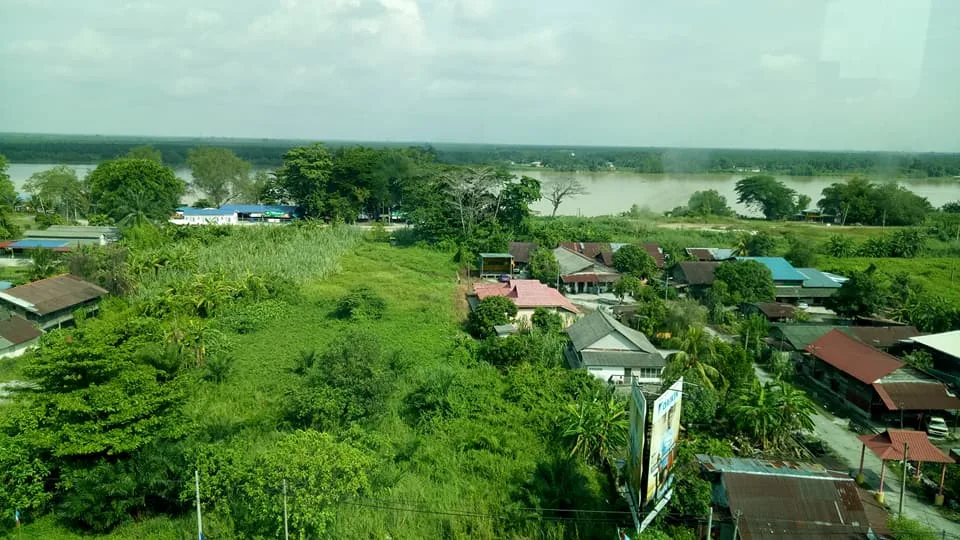
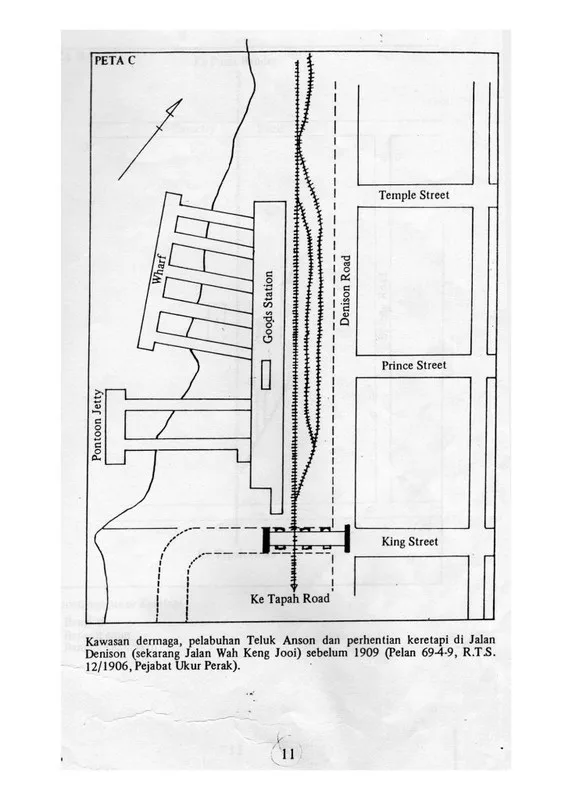
In the records of the Teluk Anson wharf and railway, the area had actually been experiencing riverbank erosion along the Perak River since 1900. As a result of this erosion, the railway line on Denison Road collapsed in 1901. In 1902, consultant JE Spring proposed that the Teluk Anson wharf be relocated, and in 1909, the wharf was finally moved to a new location.