The Actual Location of the Lost Kuala Sepetang Port
Many are unaware of the existence of the Kuala Sepetang port since the golden era of
Ngah Ibrahim
before the British used it as a port to transport tin from Perak to Penang.
The combination of a port and a railway station at that time was a very unique thing that was able to drive the local economy and indirectly contribute to the economy of the state of Perak. On April 22, 2017, our #jelajahperak cycling crew went to Taiping to search for history and old relics, as well as information to share with all readers of orangperak.com. We also had the participation of loyal readers and orangperak.com crew members named Mr. Nizam, Mr. Naqiuddin, and Ms. Rin in this mission in Taiping. Before starting the story, we would like to express our deepest gratitude to those involved in our #jelajahperak program.
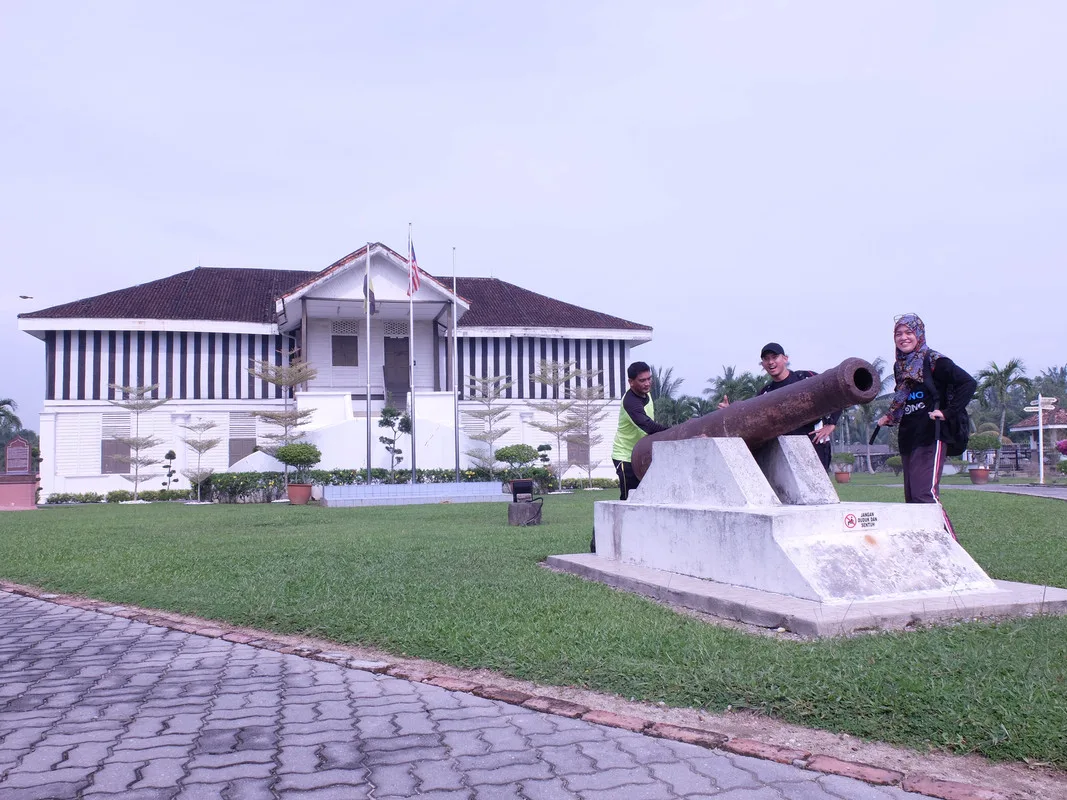
For your information, Port Weld is the old name for Kuala Sepetang. This port town was one of the most important ports in the world at that time when there was tin in Larut and Taiping.
This is because tin in Perak was a major global resource at that time. The upper Larut River flows from Bukit Larut, also known as Maxwell Hill, directly to the mouth of the Larut River near Port Weld / Kuala Sepetang.
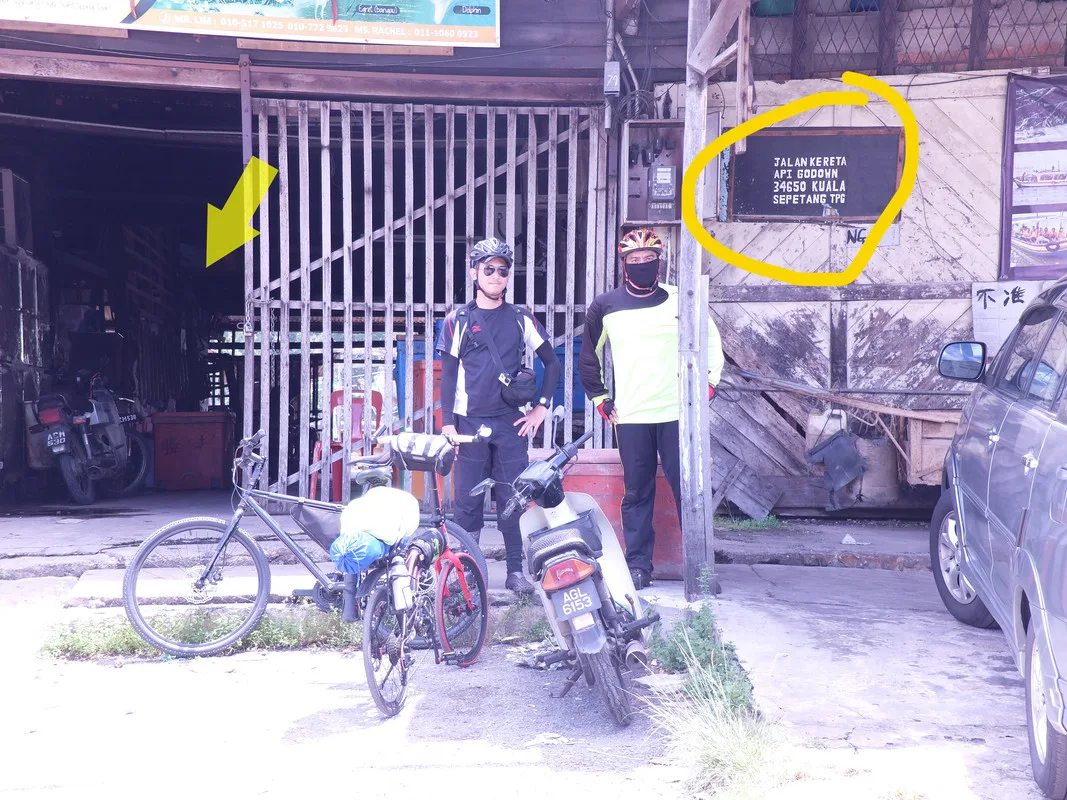
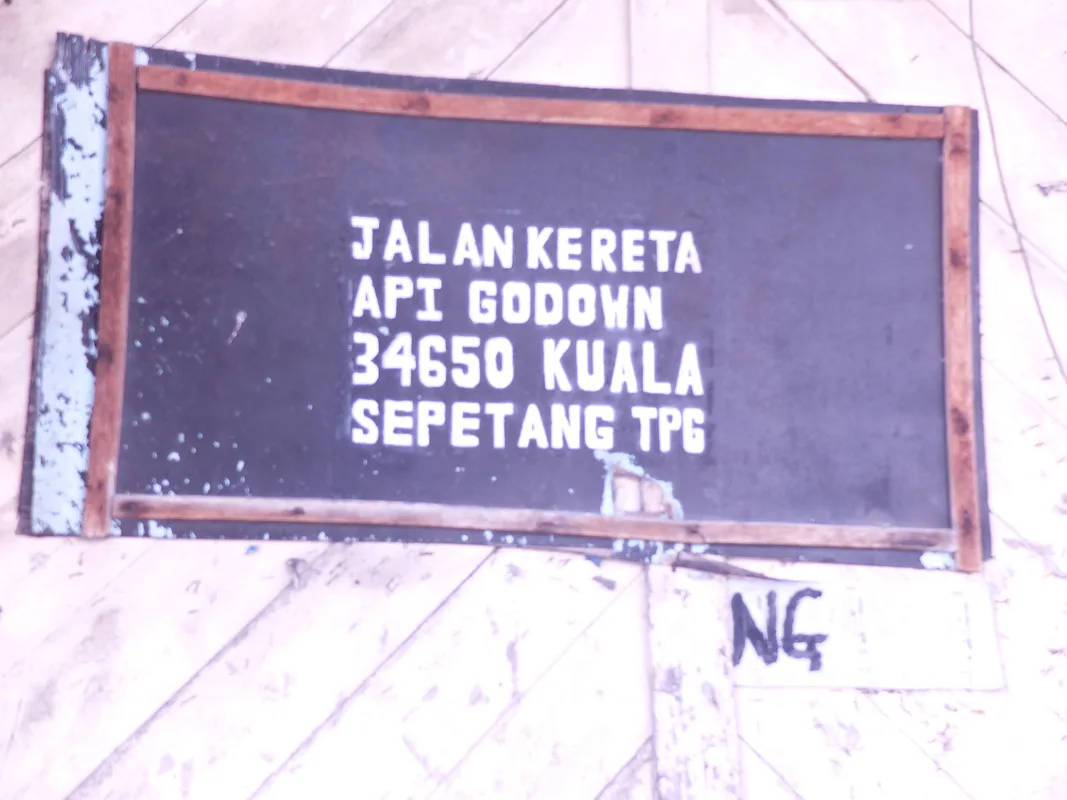
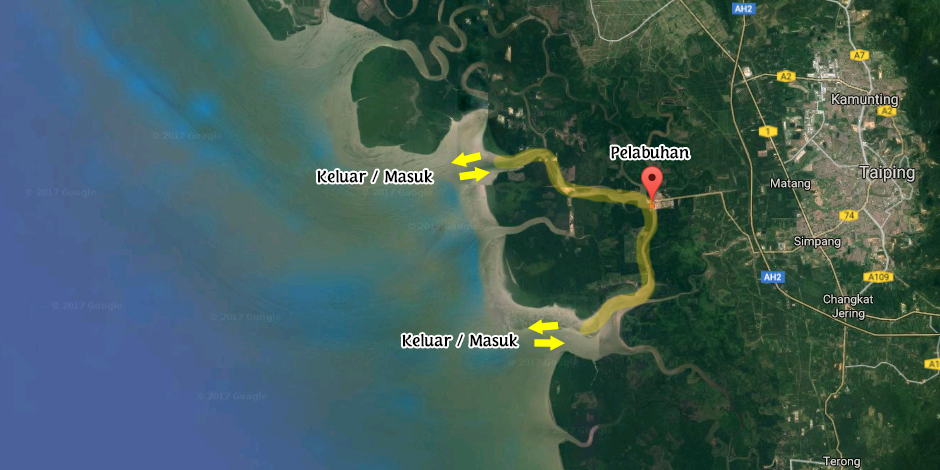
Not long after we arrived in Kuala Sepetang, we were able to track down the actual location of the most glorious port of its time. For those of you interested in finding this location, you can use the coordinates (
4°50'07.8"N 100°37'37.3"E
) and refer to the picture we provided above to identify the actual location of the port that was the pride of Perak at that time.
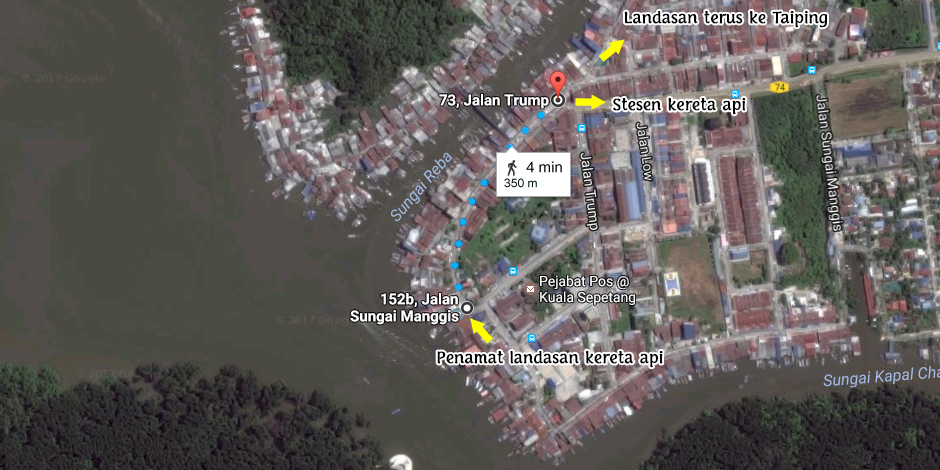
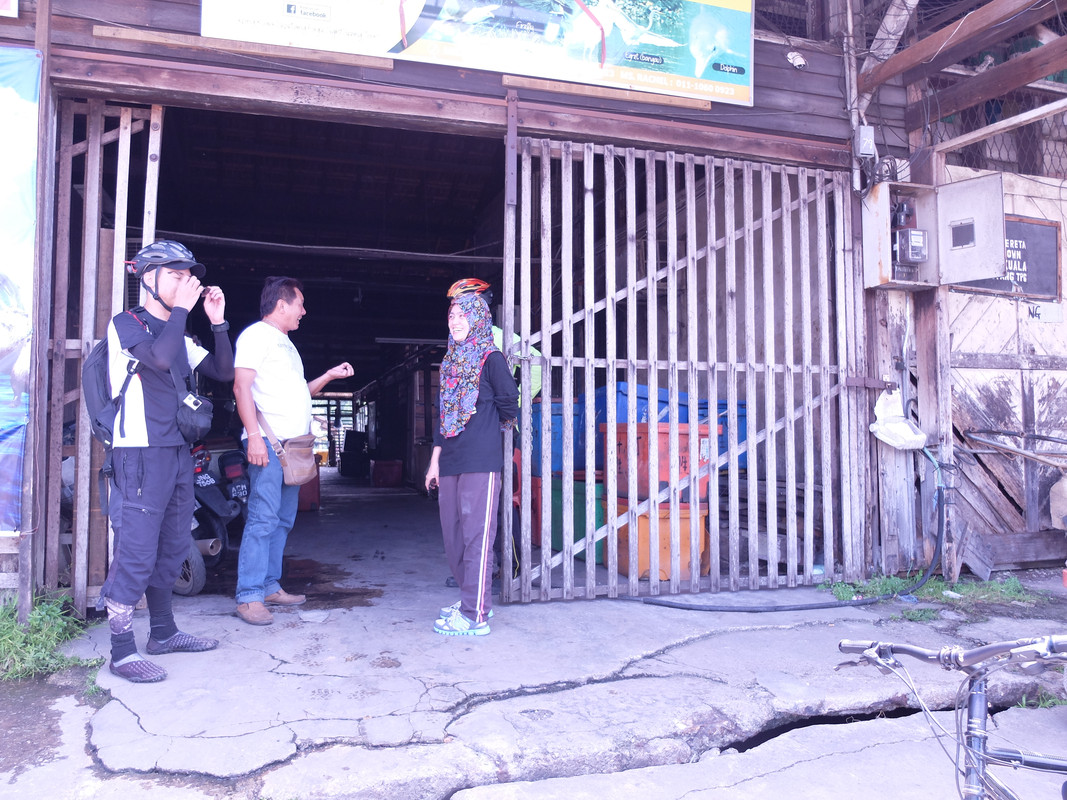
This port is said to have been the terminus for the railway line that operated once upon a time. In front of this port, there used to be a railway line which has now turned into a small paved road, and there are no remnants of the railway line left there at all. We interviewed a local Chinese resident who informed us that the original wooden and iron railway tracks were taken by the public and sold because of their good quality and high resale value.
The main purpose of the British building the railway from Taiping to Port Weld was to transport the abundant tin in the Larut, Taiping, and Matang areas. Before the railway existed, tin was transported via the Larut River directly to Penang. Through the Port of Penang, the tin would be exported to Britain. The Larut River was no longer suitable for the large volume of tin. The Larut War between the Ghee Hin and Hai San groups made river transport on the Larut River unsafe. The mouth of the Larut River was also becoming too shallow for ships to enter and dock alongside.
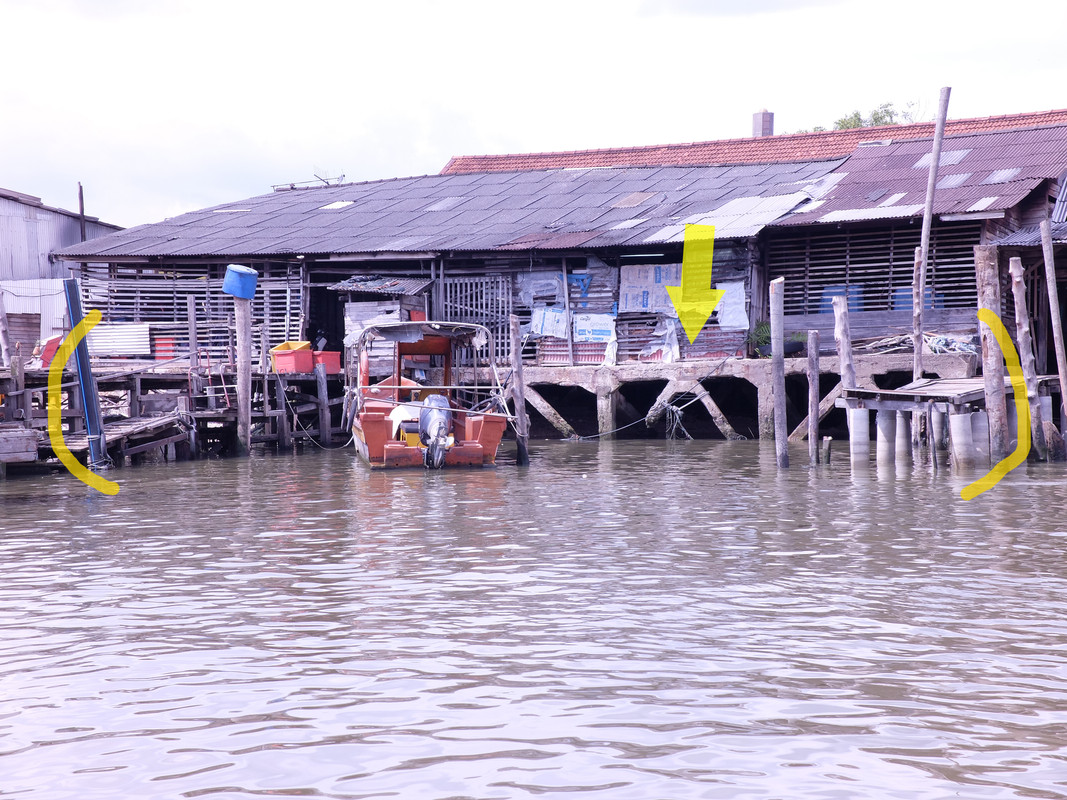
How unfortunate we are today, as we can only imagine the original environment of this pride of Perak at that time. While in Kuala Sepetang, we could still feel the grand aura of this port when we found original materials that are still standing firm, supporting the new building that replaced the port. The cross-braced piles, as seen in the picture, are among the originals from the golden era of Ngah Ibrahim.
This important gem of Kuala Sepetang is said to still use the original wooden truss pillars and the original roof used since the port was built. The wooden truss pillars are over 100 years old and are said to have come from Europe, while the original roof tiles are from India. The basic shape of the port is still in its original state, though there may have been some changes made to the walls and floor. What is unique is that the truss installation used a pegging technology that was very popular at the time, which did not use nails at all.
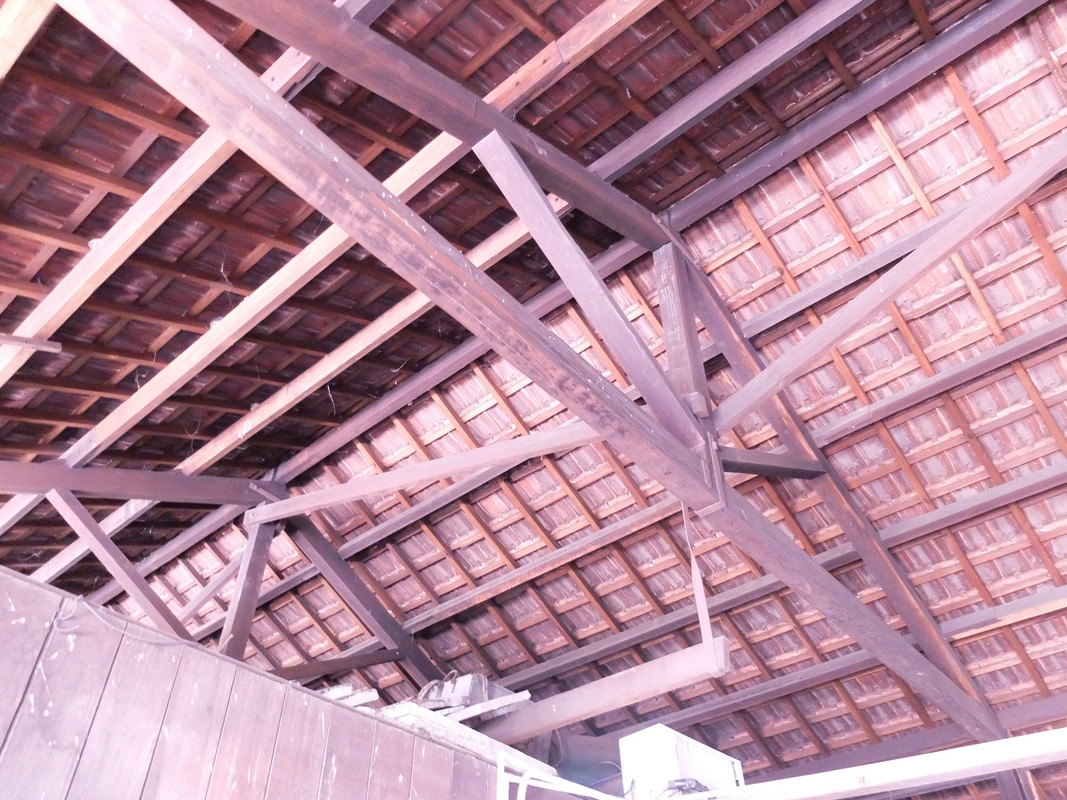
Rumor has it that the original wood used in the port's trusses might be removed and replaced with new ones, even though they still look sturdy to the naked eye. However, the owner of the premises now has the right to do whatever they want, perhaps fearing that it could collapse at any time and cause losses to their business. It is impossible for us to restore this treasure, and what is happening should be a lesson for us to correct any mistakes for the sake of future generations.