List of Administrative Centers of the Perak Sultanate
Since the early days of the Perak Sultanate, the location of the Sultan's administrative center was also where the palace was established for the Sultan to reside. The Sultan's palace frequently shifted from Hilir Perak to Kuala Kangsar.
Among other factors that caused the Perak Sultanate's administrative center to change in the past were the suitability of the times and the wishes of the reigning Sultan, in addition to defensive factors intended to confuse enemies. Most of the places that served as administrative centers and sites for the Perak Palace were located on the right bank of the Perak River, in accordance with the promise made by the first Sultan of Perak, Sultan Muzaffar Shah, to Tok Temong. For your information, loyal readers of orangperak.com, most of the important administrative locations in this state are situated on the right bank of the Perak River. 'Right' here means if we follow the flow of the Perak River, heading upstream towards the right. Therefore, it is no surprise that many Perak Sultans are buried around the Kampung Gajah area and along the banks of the Perak River heading upstream to Kuala Kangsar.
Tanah Abang
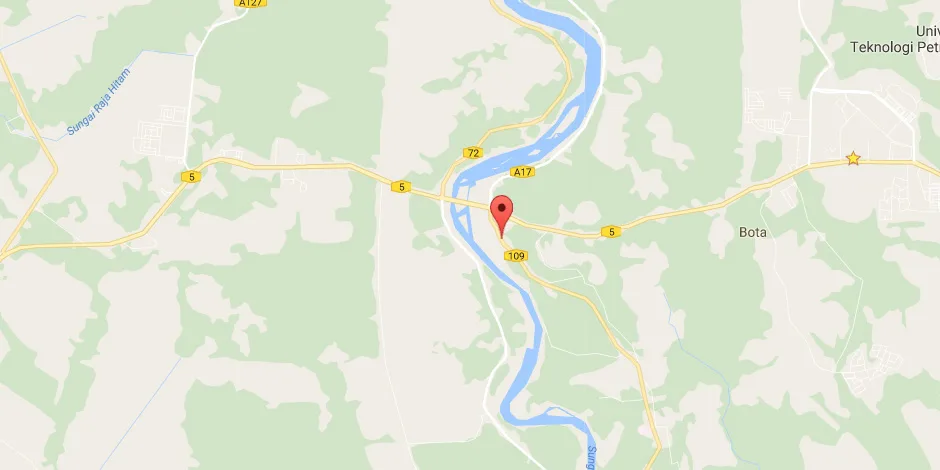
The location of Tanah Abang is on the banks of the Perak River, now called Air Mati, within Mukim Bota near the tomb of Sultan Muzaffar Shah I, the first Sultan of Perak. Tanah Abang was a settlement in Perak shaped like a bay or a bend. There was a fairly large island opposite Tanah Abang. Once, before the construction of Changkat Melintang Hospital, the bay area, which also formed a strait, was filled with loma fish.
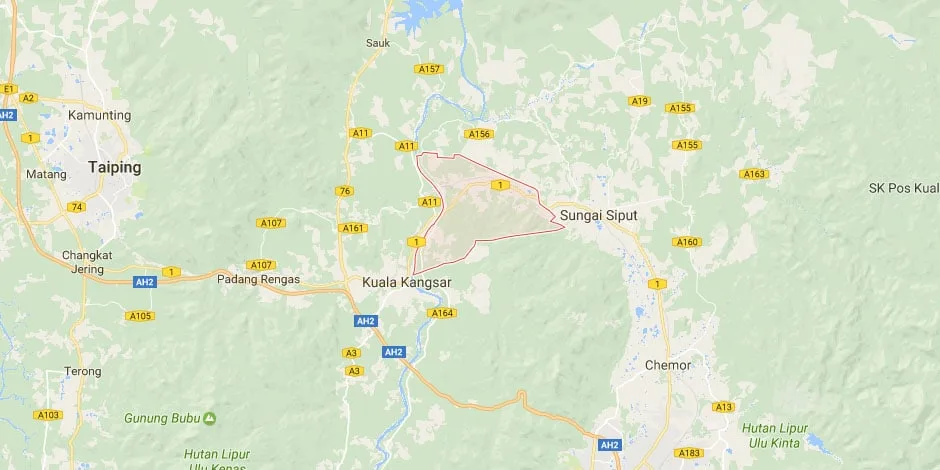
Kota Lama Kanan
Sultan Mansur Syah was born in Bentan, Riau, during the reign of the Sultan of Malacca. When the first Sultan Mudzaffar Syah passed away in 1549 at Tanah Abang (Telok Bakong), Lambor Kanan, Perak Tengah District, Sultan Mansur Syah was appointed as the second Sultan of Perak. He later moved to reside in Kampung Kan Kong (Kota Lama Kanan), Kuala Kangsar, on the banks of the Perak River.
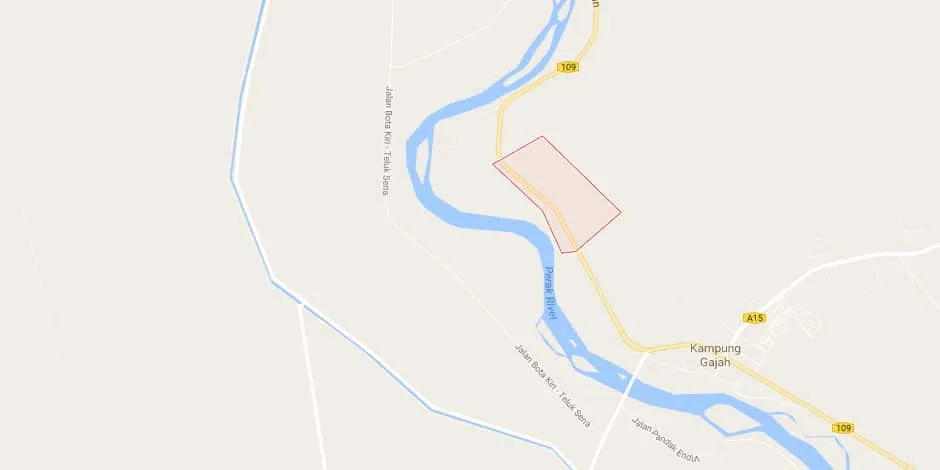
Geronggong in Mukim Pulau Tiga, Kampung Gajah
Raja Yusuf was captured by Aceh when they attacked and defeated Perak during the reign of Sultan Mukaddam Shah in 1619. Raja Yusuf lived in Aceh until 1627, when he returned with the Acehnese to replace Sultan Mansur Shah. After being appointed Sultan of Perak, he was given the title Sultan Mahmud Shah. He was installed in 1627 and resided in Geronggong, now known as Kampung Jawa, Mukim Pulau Tiga, Perak Tengah District.
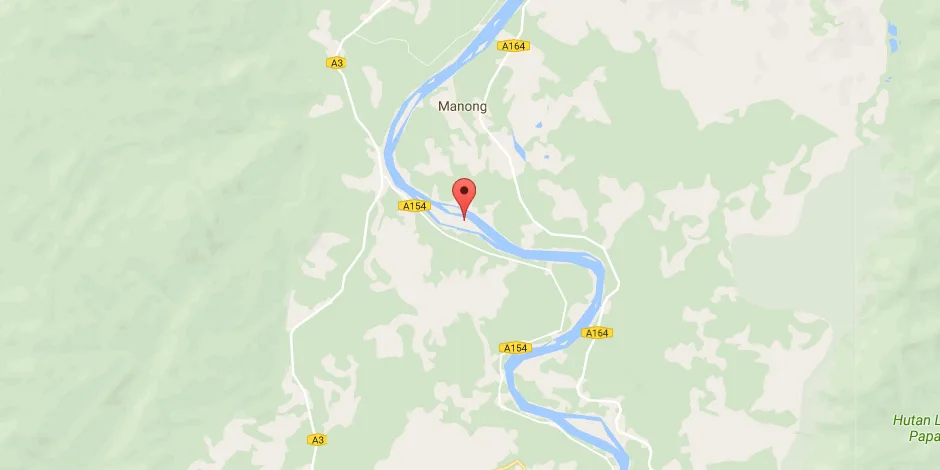
Semat in Mukim Senggang
Semat or Pulau Semat is an island opened by Sayyid Ahmad of the Bani Zaidiyyah, an Arab tribe descended from the Prophet Muhammad s.a.w. His descendants guarded this island until it was handed over to the Sultan to build the Perak Palace. Today, it remains a Royal Mausoleum and a durian orchard.
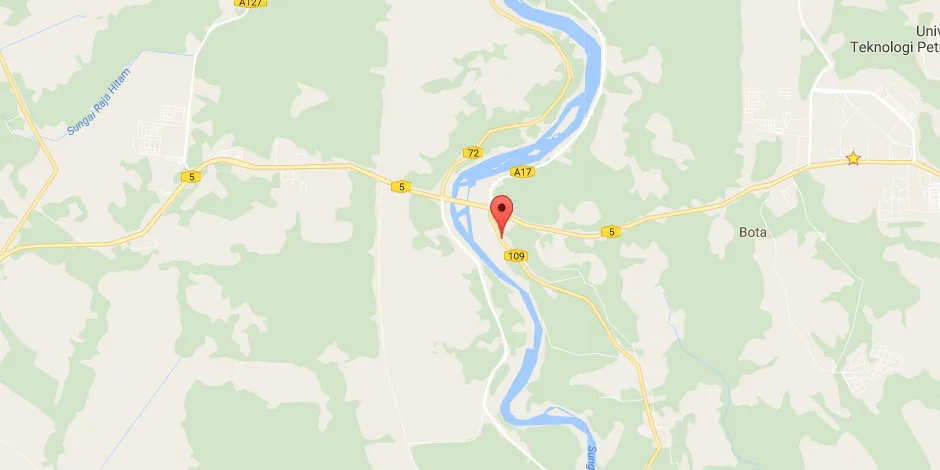
Bota Kanan, formerly known as Berahman Indera
Bota Kanan, formerly Berahman Indera, was the administrative center for Sultan Alauddin Mughayat Shah ibni Yang di-Pertuan Muda Mansur Shah and several other Sultans of Perak. Sultan Alauddin was the 12th Sultan of Perak, reigning from 1720 to 1728. Born as Raja Radin, he inherited the Perak throne after the death of his uncle, Sultan Mahmud Iskandar Shah, who had no heirs. This was because his own father, Yang di-Pertuan Muda Mansur Shah, had passed away earlier. After his death, he was succeeded by his younger brother, Raja Inu. He was blessed with a son, Raja Kechil Bongsu, and a daughter, Raja Kechil Ampuan.
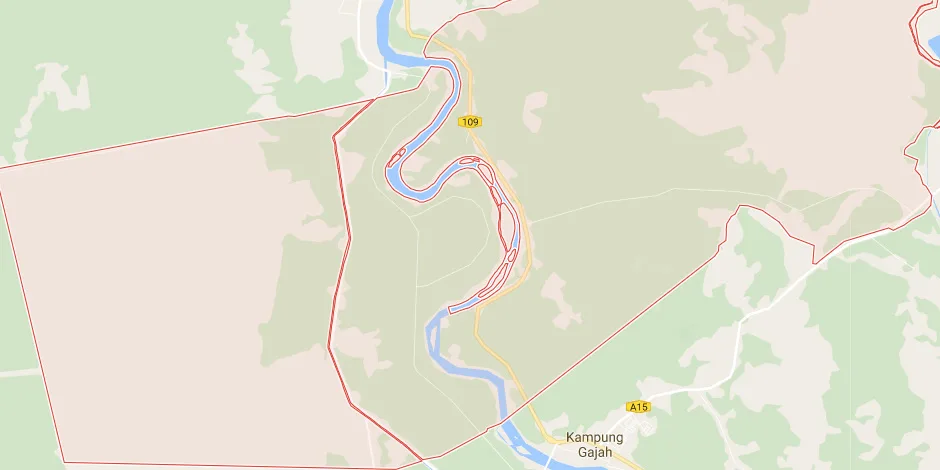
Pulau Tiga, Kampung Gajah
Pulau Tiga is a village located on the right bank of the Perak River in the sub-district of Kampung Gajah, Perak. Opposite it is Geronggong. This village served as the administrative center for several Sultans of Perak, such as Sultan Muhamad Shah ibni Yang di-Pertuan Muda Mansur Shah, the 14th Sultan of Perak, who reigned from 1742 to 1750.
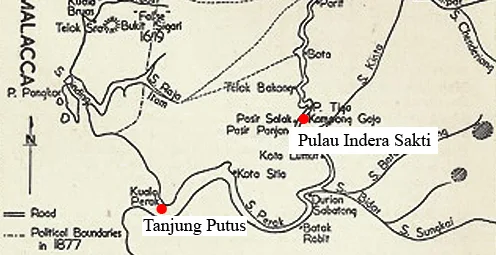
Pulau Cempaka Sari (old name) / Pulau Indera Sakti (new name) at the mouth of the Kinta River, Kampung Gajah
Pulau Indera Sakti is an island located near Kampung Gajah, at the mouth of the Kinta River, on the road to Teluk Intan from Kampung Gajah. This island is not in the sea, but within the Perak River. The Perak River is wide and long, flowing from the Belum Valley to Beting Beras Basah in Bagan Datoh. The grandeur and beauty of Pulau Indera Sakti as the administrative center for Sultan Iskandar Dzulkarnain, the 15th Sultan of Perak, have been deeply described in the Misa Melayu manuscript.
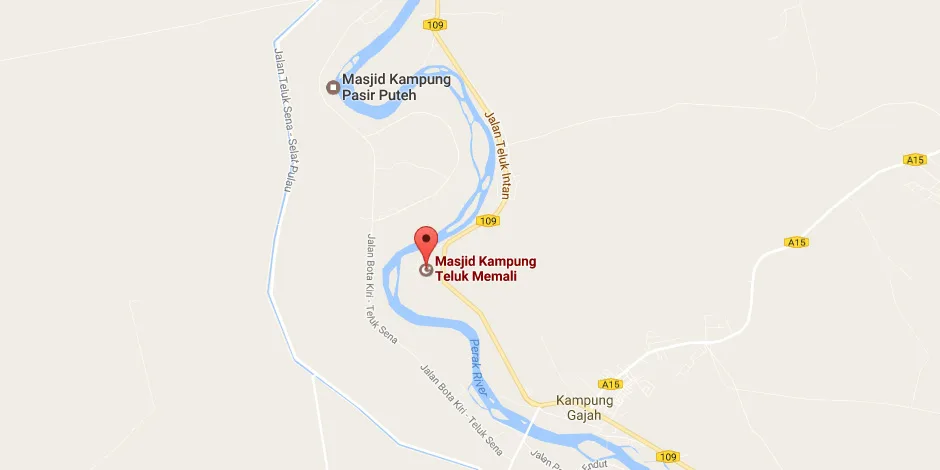
Pasir Pulai Indera Mulia, Kampung Gajah
Pasir Pulai Indera Mulia is now located in a place called Kampung Teluk Memali in Kampung Gajah. After the passing of 'Marhum Kaharullah', Sultan Iskandar Dzulkarnain, at Pulau Indera Sakti, Kuala Sungai Kinta, his younger brother Raja Kimas was appointed as the 16th Sultan of Perak, titled Sultan Mahmud Shah. He resided at Pulau Indera Sakti before moving to Pasir Pulai, Pulau Besar on the banks of the Perak River. Later, Pasir Pulai was named by him as Pasir Pulai Indera Mulia. Sultan Mahmud Shah passed away at Pasir Pulai Indera Mulia and was buried in a place called Teluk Memali (Pulau Besar) in 1773, and was titled 'Marhum Muda'.
Bandar Baharu, Kampung Gajah
Kampung Bandar Baharu, or better known as Bandar Baru by the locals, is located in Kampung Gajah, Perak. This area is situated right on the right bank of the Perak River, which was once the main artery for travel upstream and downstream throughout the state of Perak and held great secrets in the past. Bandar Baharu became the administrative center for Sultan Abdul Malik Mansur Shah ibni Sultan Ahmaddin Shah, the 19th Sultan of Perak.
He reigned from 1806 to 1825. Born as Raja Abdul-Malik, he inherited the Perak throne after the death of his father, Sultan Ahmaddin Shah, in 1806. He became sultan three months after his father's death because the rightful heir, Raja Mahmud ibni Raja Ibrahim ibni Sultan Mahmud Shah II, refused to come down to Sayong to be installed. During his reign, Perak was invaded by Kedah and Siam, and there were conflicts with Selangor. After his death in August 1825, his throne was inherited by his son, Raja Abdullah. Bandar Baharu was also the settlement and administrative area for the first British Resident of Perak.
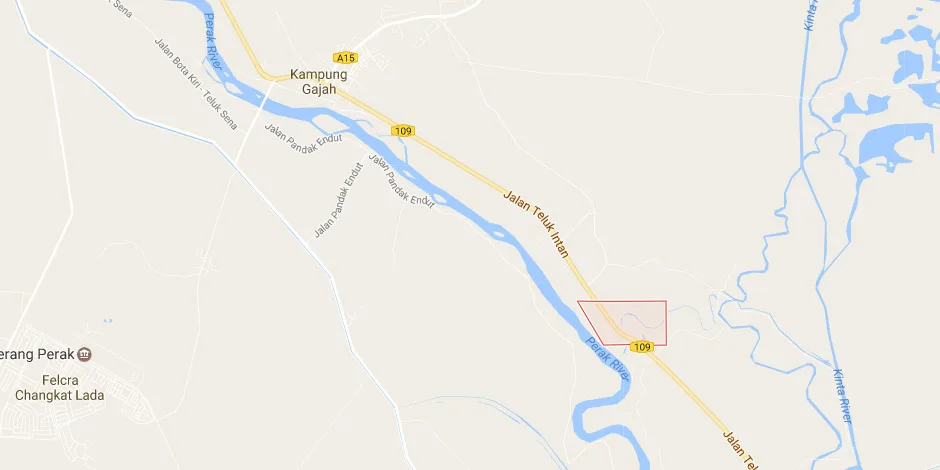
Pasir Panjang, Kampung Gajah
Pasir Panjang was the administrative center for Sultan Shahabuddin Riayat Shah, the 21st Sultan of Perak, who reigned from 1830 to 1851. Born as Raja Chulan ibni Raja Inu, he was the grandson of Sultan Ahmaddin Shah. Raja Chulan was given the title Raja Kecil Muda in 1786 before being promoted to Raja Bendahara. In 1826, he was appointed Raja Muda. Raja Chulan ascended the Perak throne on December 20, 1830, and was titled Sultan Shahabuddin Riayat Shah after the death of his cousin, Sultan Abdullah Muadzam Shah. Sultan Shahabuddin Riayat Shah passed away in 1851 and was buried in Kampung Tanjung Penangguh, near Kampung Gajah.
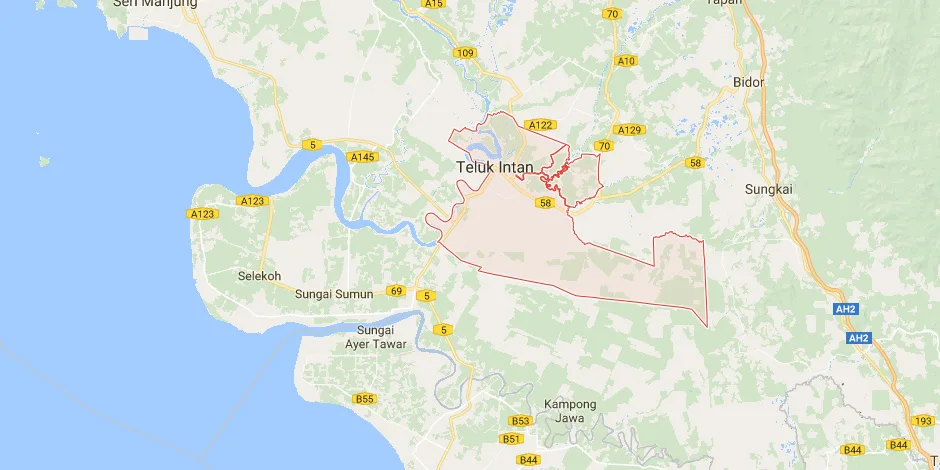
Durian Sebatang, Teluk Intan
Durian Sebatang in Teluk Intan was the administrative center for Sultan Abdullah Muhammad Shah I ibni Raja Kecil Besar Abdul Rahman, the 22nd Sultan of Perak, who reigned from 1851 to 1857. Sultan Abdullah Muhammad Shah (Sultan Abdullah I) was the grandson of the 18th Sultan of Perak, Sultan Ahmaddin Shah. He ascended the throne after the death of his cousin, Sultan Shahabuddin Riayat Shah, in 1851. During his reign, Sultan Abdullah was involved in a civil war with Raja Muda Ngah Jaafar. Due to this civil war, Sultan Abdullah I fled from his palace in Durian Sebatang and sought refuge at the residence of Datuk Laksamana Tok Janggut. In 1857, Sultan Abdullah I passed away and was buried in Durian Sebatang in the Hilir Perak district. He was later posthumously titled Marhum I'tikadullah. However, the late Sultan is better known as Marhum Durian Sebatang.
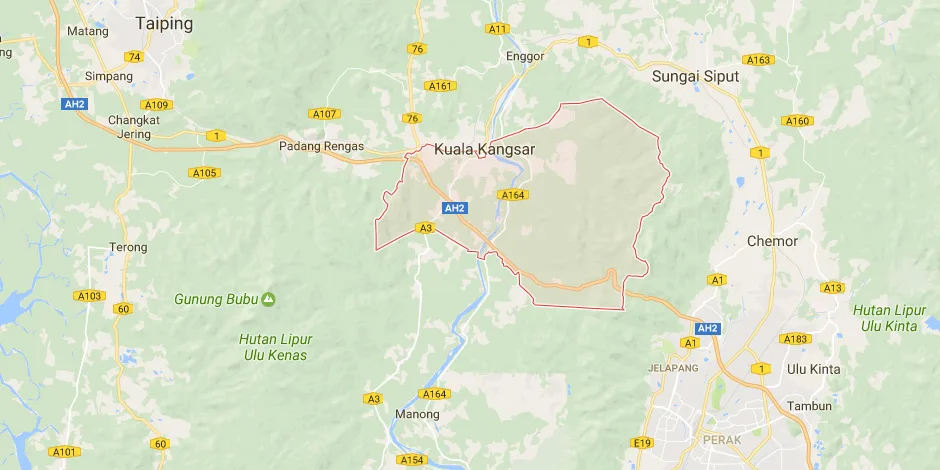
Sayong, Kuala Kangsar
Sayong is a town in the Kuala Kangsar district, Perak. Sayong town has a Malay majority population. It is located next to the Perak River and the bridge before reaching Kuala Kangsar town. Sayong became the administrative center for Sultan Ali Al-Mukammal Shah ibni Almarhum Sultan Shahabuddin Riayat Shah. Sultan Ali passed away on May 26, 1871, and was only buried on June 28, 1871, at Gedong Siam, Sayong. The title Marhum Nabiallah was later given to Sultan Ali. The history of Sultan Ali is famous for being the Sultan who was buried late, more than a month after his death, due to Raja Muda Abdullah's refusal to come to Sayong because of his feud with Raja Bendahara Ismail.
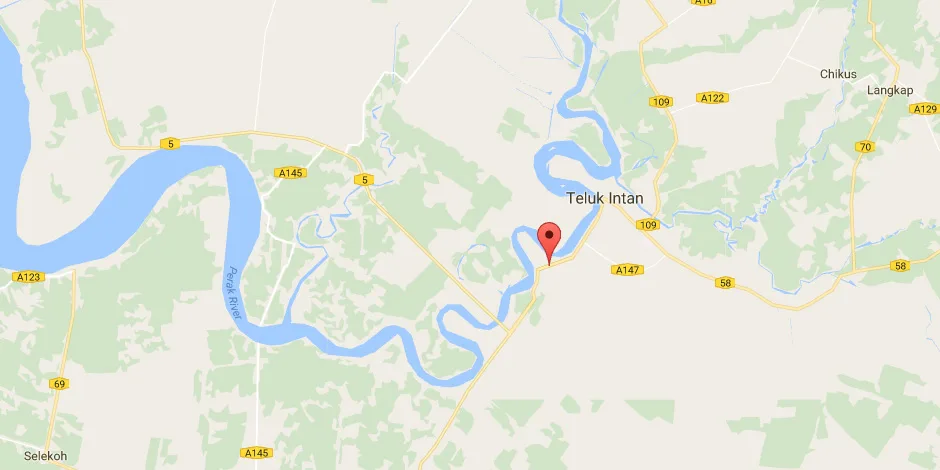
Batak Rabit, Teluk Intan
Batak Rabit is a town located in the Hilir Perak district, between Teluk Intan and Hutan Melintang. Batak Rabit got its name from mercenaries of the indigenous Batak tribe from the Batak region, Sumatra, who were brought to the peninsula by Raja Laut during the Selangor Civil War. The Batak people who arrived and settled in Batak Rabit had torn or severed ears or noses, or in the local Perak dialect, 'Rabit'. Because of this, the settlement they inhabited was called Batak Rabit. Batak Rabit became the administrative center for the 26th Sultan of Perak, Sultan Abdullah Muhammad Shah II Ibni Almarhum Sultan Jaafar Safiuddin Muadzam Shah Waliullah. Sultan Abdullah is famous as the Sultan who signed the Pangkor Treaty, which eventually led to British intervention in the administration of Perak.
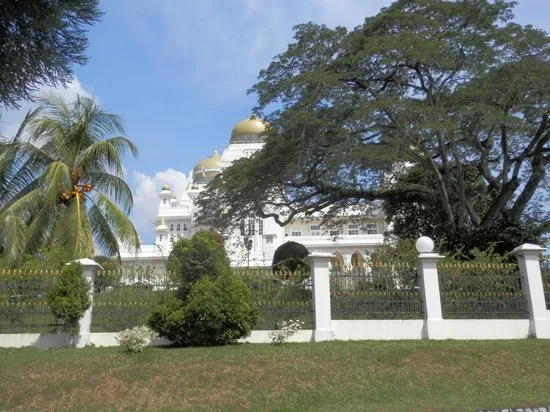
Bukit Chandan, Kuala Kangsar
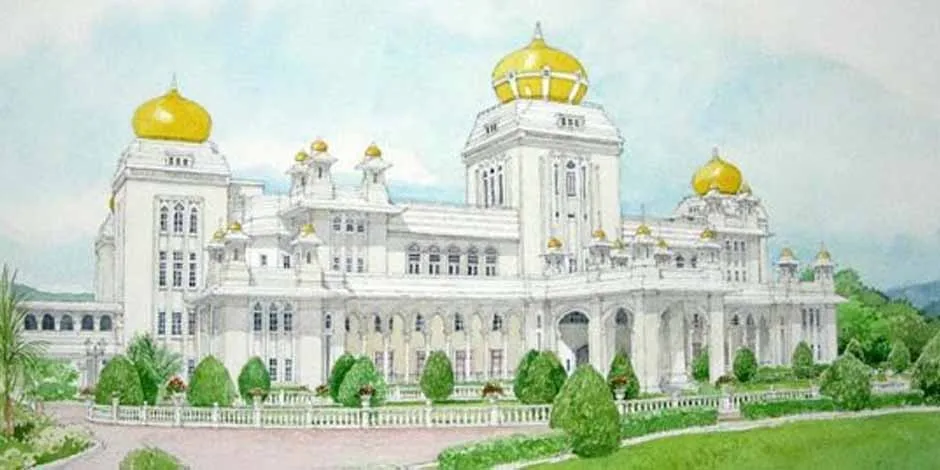
The history of Bukit Chandan originally takes its name from an elephant belonging to Sultan Yusuf named Kulup Chandan. It is said that one day, the elephant Kulup Chandan ran away, and Raja Idris (then Raja Muda) and his followers followed the elephant's tracks until they reached the foot of Mount Bubu. Upon arriving there, he encountered an old man with a long beard wearing a white robe. Suddenly, the old man came to pay homage and said... 'Your Highness will be the future Sultan of Perak, and when you are installed as Sultan later, do not reside in Sayong anymore, but build a palace on the hill on the edge of the Perak River. And the elephant named Kulup Chandan must be set free seven days after your installation...' To make a long story short, Raja Idris was installed as the 28th Sultan of Perak, and all the instructions of the 'old man' were fulfilled by him. From that date, the name Bukit Chandan remained as the location of the official palace of His Royal Highness the Sultan of Perak. Sultan Idris Murshidul Adzam Shah I Ibni Almarhum Raja Bendahara Alang Iskandar Teja was the first Sultan of Perak to break tradition by building a palace on the left side of the Perak River. Later, magnificent stone palaces were built on Bukit Chandan, including the Istana Negara and then the Istana Iskandariah, which stands proudly, and since then, Bukit Chandan has remained the administrative center of the Perak Sultanate to this day.