Kuih Kalakatar, A Heritage Young Coconut Bingka of the Banjar People
Kuih Kalakatar, A Heritage Young Coconut Bingka of the Banjar People
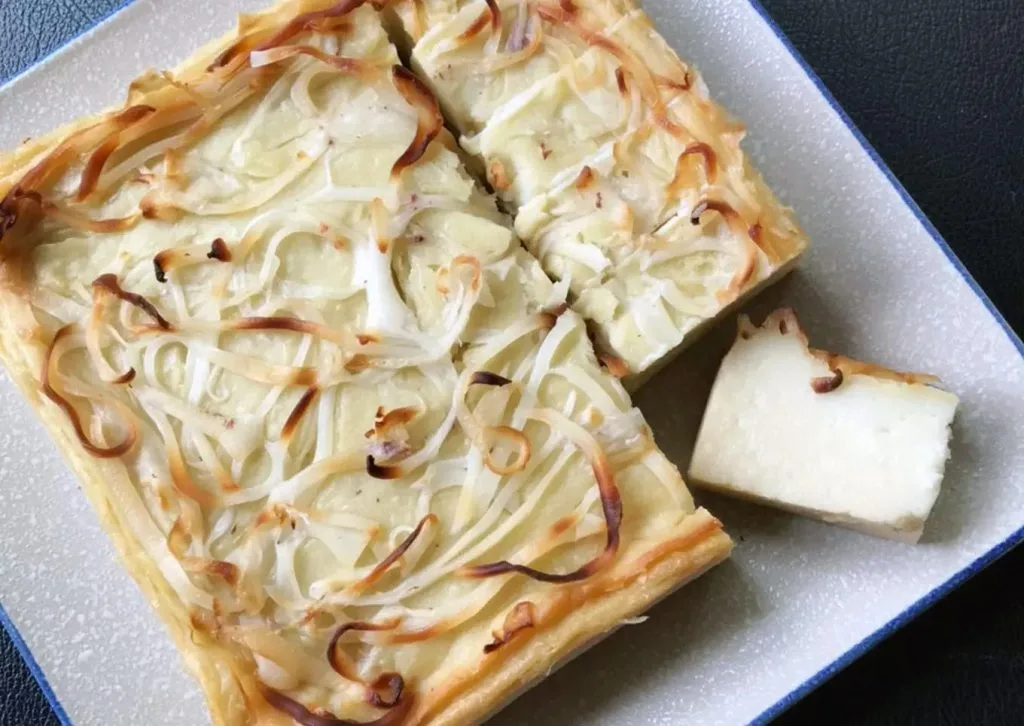
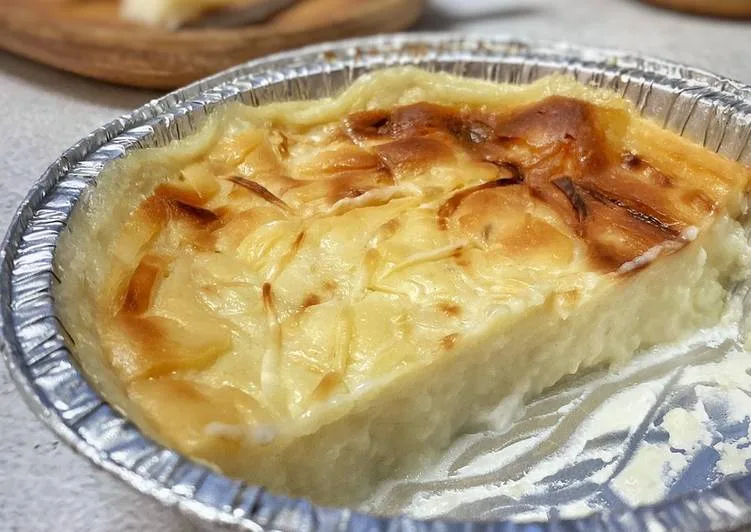
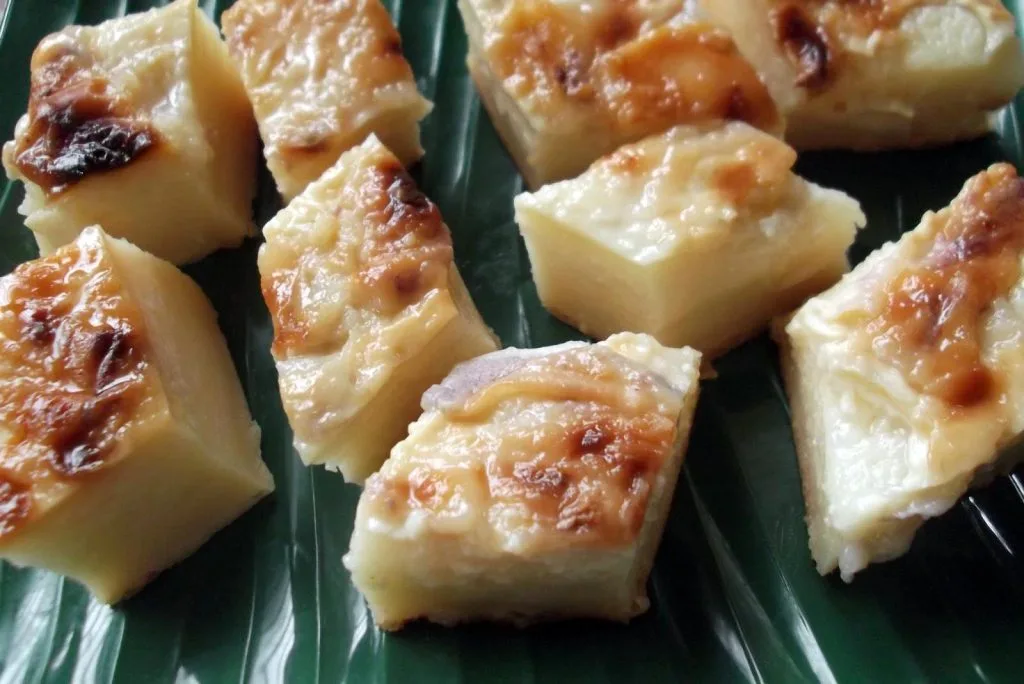
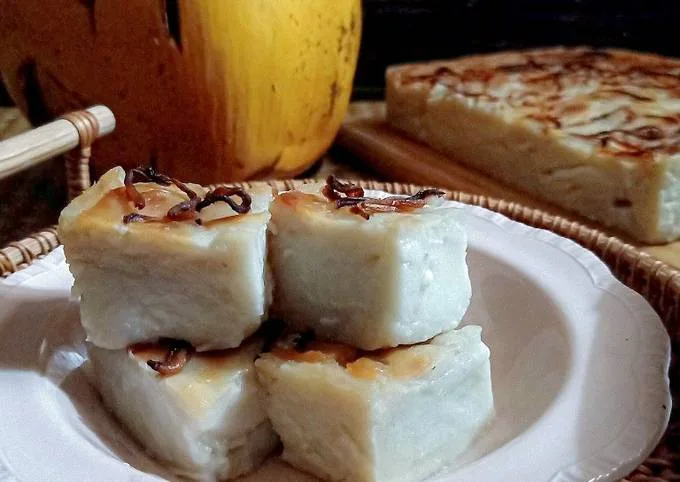
Kuih Kalakatar, or better known as young coconut bingka, is a traditional delicacy that is a crowd favorite, especially among the Banjar community in the Kerian district, Perak. This kuih is not only famous for its soft texture, but also for its fragrant aroma and unique taste, resulting from the combination of young coconut flesh and water which are its main ingredients.
Origin and Meaning of the Name
The name "Kalakatar" originates from the Banjar language, combining two words: "kala" which means "when" and "katar" which means "hot". Literally, Kalakatar means "when hot".
According to Lila Kamsiah Julie, 61, a traditional kuih seller in Kampung Kedai Dua, Jalan Kuala Kurau, this kuih is best enjoyed while still hot. "The richness of the coconut milk and the softness of its texture are more pronounced if eaten immediately after being baked," she said.
Meticulous Preparation Process
Although the process of making Kuih Kalakatar is not overly complicated, it requires precision and the selection of the right ingredients. Lila Kamsiah, who learned this recipe from her late mother since she was a teenager, shares that young coconut is the main ingredient that cannot be replaced.
She recommends using pandan coconut or mawar coconut because they provide a more fragrant aroma and a better taste.
Basic ingredients for making Kuih Kalakatar include wheat flour, young coconut water, coconut milk, young coconut flesh, granulated sugar, eggs, and a pinch of salt. All these ingredients must be mixed and stirred until well combined before being baked. "The important thing is that this kuih must have the richness of the coconut milk and the texture must be soft," explains Lila.
Community Reception
Kuih Kalakatar is sold at RM6 per piece (as of 2023), but for those who want to try it, half a portion can also be purchased for RM3. The response from the local community and tourists is very encouraging. Many are excited by the unique taste and aroma of this kuih, making it a must-try dish when visiting the Kerian district.
A Heritage That Must Be Preserved
Kuih Kalakatar is not just a traditional dish, but also part of the cultural heritage of the Banjar community. The uniqueness of the recipe and the preparation method passed down through generations make this kuih a symbol of Malaysia's culinary richness. Efforts like those made by Lila Kamsiah in maintaining this tradition deserve to be praised and supported.
With the variety of flavors and textures offered, Kuih Kalakatar not only captivates the palate but also leads us to appreciate the beauty of Malaysia's culinary heritage. So, if you have the opportunity to visit Kerian, don't forget to try this delicious Kuih Kalakatar!
Reference:
- Kalakatar, A Popular Banjar Kuih During the Fasting Month, Kosmo!, 10 April 2023