HFMD Outbreak: Perak Listed Among Top 5 States for 2025 Cases, Children at Risk
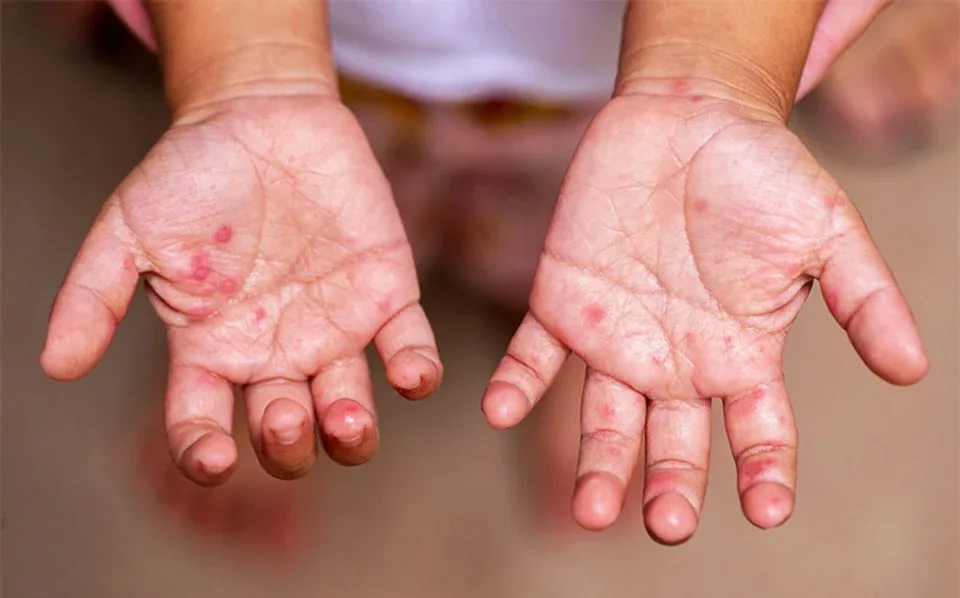
Hand, foot, and mouth disease (HFMD) is back in the spotlight as Perak is listed among the top five states with the highest number of cases in Malaysia for 2025. This sudden surge in cases has caused significant concern among the public, especially parents and guardians of young children. This article examines the current HFMD outbreak situation in Perak, prevention measures taken by authorities, and the role of the community in curbing the spread of this disease.
Latest HFMD Outbreak Statistics in Perak
Based on the latest report from the Ministry of Health Malaysia (KKM), as of the 17th Epidemiological Week of 2025, a total of 99,601 HFMD cases have been reported nationwide – showing a 266% increase compared to the same period in 2024.
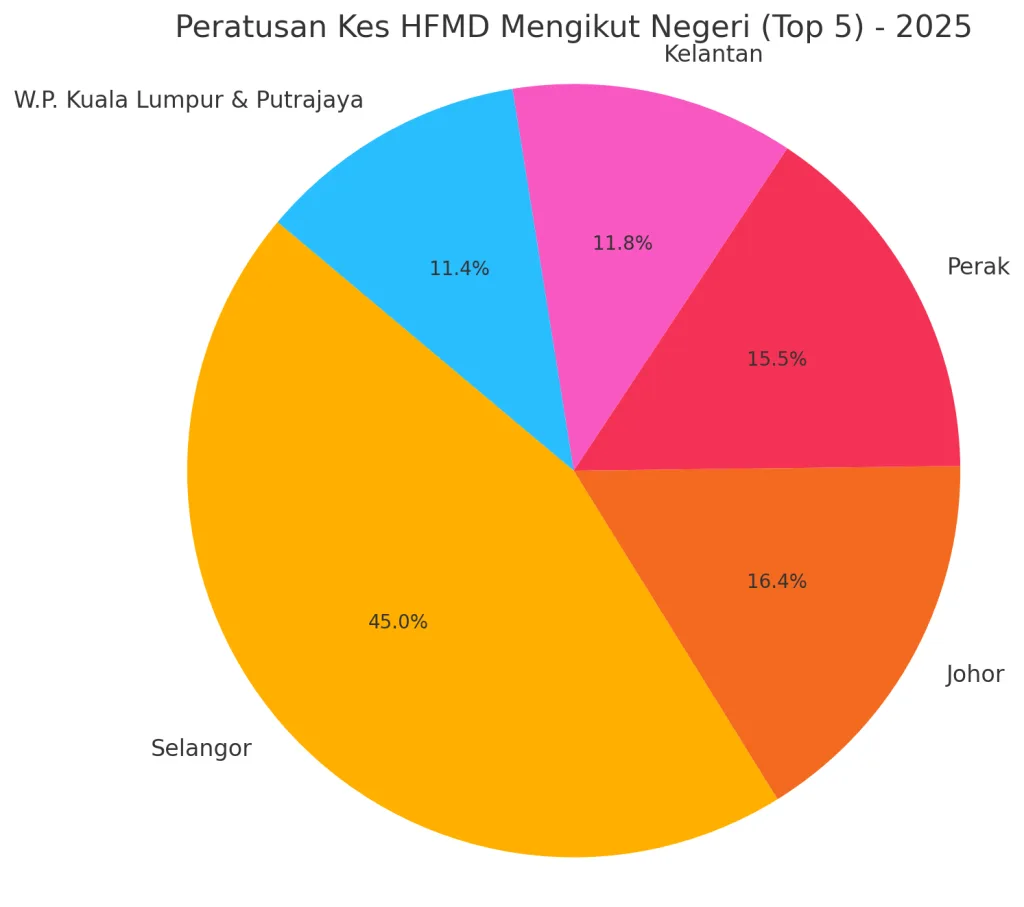
The top five states recording the highest number of HFMD cases are:
- Selangor – 27,118 cases
- Johor – 9,864 cases
- Perak – 9,347 cases
- Kelantan – 7,147 cases
- W.P. Kuala Lumpur & Putrajaya – 6,850 cases
Perak is in the third-highest position, confirming public concern that the HFMD outbreak in Perak is now at a serious and worrying level in the state.
Most Affected Areas in Perak
In Perak, the Kinta district – which includes the city of Ipoh – has been identified as the most affected area. Additionally, the Manjung and Hilir Perak districts have also recorded a concerning increase in cases.
As an immediate measure, health authorities have ordered the temporary closure of several early education premises such as:
- Kindergartens (Tadika)
- Childcare centers (Taska)
- Child daycare centers
These closures are intended to carry out sanitation work and close monitoring at the involved locations to prevent the formation of new clusters.
Control Measures by Authorities
The Perak State Government, through the Perak State Health Department (JKN Perak), has stepped up monitoring and enforcement with the following measures:
- Comprehensive inspections of early childhood education premises
- Temporary closure of premises recording cases
- Dissemination of public education and awareness materials
- Collaboration with relevant agencies at the district level
Nationally, over 38,000 premises have been inspected by the KKM, with 1,140 premises ordered to close under the Prevention and Control of Infectious Diseases Act 1988 (Act 342). Many other premises have closed voluntarily based on health advice.
In Perak, these premises closures are being carried out in a controlled and targeted manner, particularly in areas recording two or more cases within a short period – which are classified as HFMD outbreaks or clusters.
The Role of Parents and Educational Institutions
HFMD prevention will not be effective without the active involvement of parents, guardians, and educational institutions. Therefore, key recommendations from the KKM and the state government include:
For Parents:
- Monitor your child's health daily before sending them to school or childcare
- Do not send symptomatic children to school
- Teach children about personal hygiene practices
- Seek immediate treatment if your child shows HFMD symptoms
For Educational Institutions:
- Daily health screening of students at the entrance
- Regular cleaning of premises and equipment
- Immediate reporting to the District Health Office if more than two cases occur
- Provide a temporary isolation area for symptomatic students
Prevention Measures and Hygiene Practices
The KKM has outlined several basic prevention measures that must be practiced by all parties to break the chain of transmission:
- Wash hands frequently with soap and clean water
- Sanitize surfaces and toys that are frequently touched
- Avoid sharing personal items such as milk bottles, cups, and towels
- Monitor and quarantine symptomatic children until they have fully recovered
- Avoid visiting crowded public places if your child is unwell
These steps do not rely solely on childcare operators and schools – they must be implemented collectively by the community and parents.
Conclusion
The HFMD outbreak in Perak is currently at a worrying level, but it remains under control if all parties play their part. The spread of this disease will not subside if the community takes a lackadaisical attitude.
The state government, through health agencies, has shown a clear commitment to handling this crisis. Now, the shared responsibility of parents and the community is the key to curbing the infection from spreading further, especially among children who are more vulnerable.
With the cooperation of all parties, Perak can reduce the HFMD infection rate and ensure the safety of the state's younger generation is preserved.