Currencies Used in Perak Since 1630
Currency is a unit of exchange, facilitating the transfer of goods or services. It consists of coins and paper bills used as money. A form of money, where money is anything that acts as a medium of exchange, a store of value, and a standard of value. Currencies are the dominant medium of exchange. Coins and banknotes are both forms of currency.
1630 to 1850: Bidor Tin Ingots - Original Currency from Perak
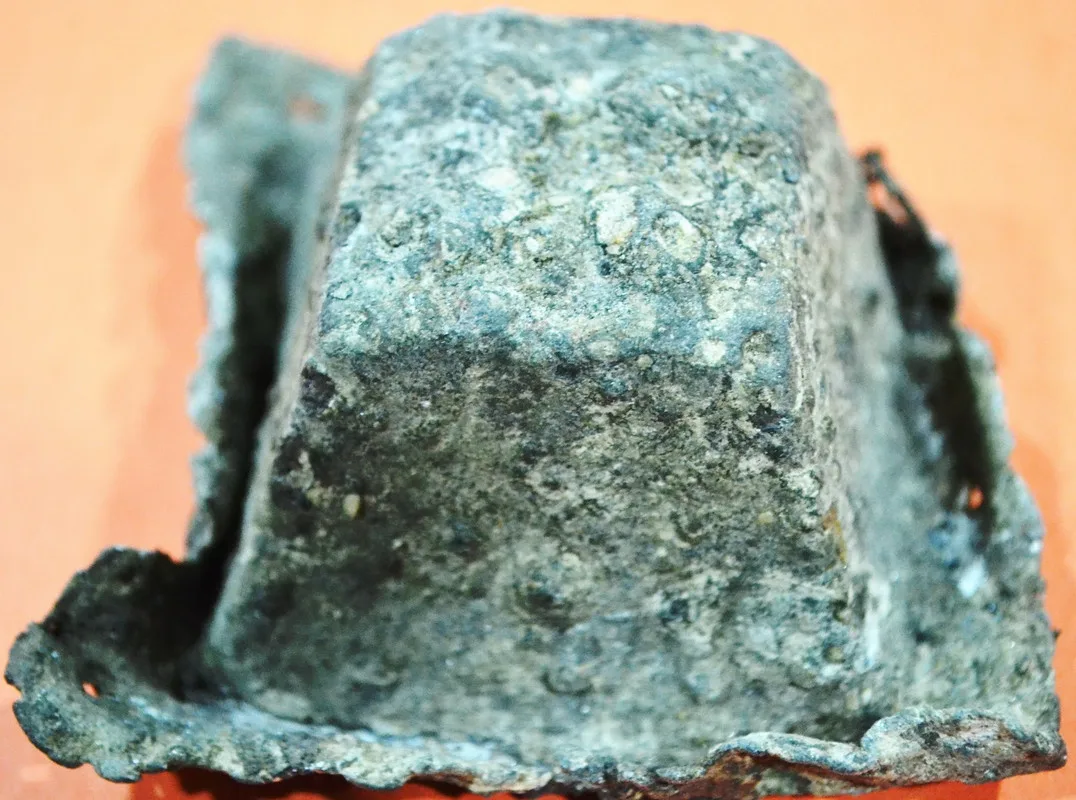
The Perak Tin Ingot currency, better known as the Bidor Tin, was used in the state of Perak from the early 1630s until 1850. This Bidor Tin currency served as a medium of exchange for all major types of trade in Perak. This money was made from tin poured into molds with standardized shapes and weights established for local trade.
1630 to 1890: Pitis Coin - Original Currency from Kelantan
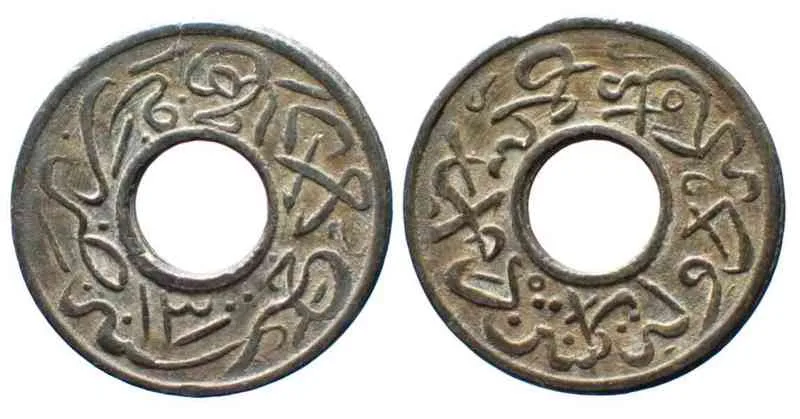
Tin ingots shaped like animals with fixed weights were used in all major bazaar transactions as a form of currency since the early 16th century in this country. They were minted in various shapes of animals and insects, such as crocodiles, elephants, roosters, turtles, and grasshoppers. This Pitis currency originated from Kelantan and was widely used in Selangor, Perak, and Pahang until it was replaced by more convenient coins.
1904 to 1939: Straits Dollar

The Straits Dollar was the currency of the Straits Settlements from 1904 to 1939. At that time, this currency was also used in the Federated Malay States, the Unfederated Malay States, Sarawak, Brunei, and British North Borneo.
1939 to 1967: Malayan Dollar - Colonial British Era Currency

The Malayan Dollar was the currency of British colonies and protectorates in Malaya and Brunei from its introduction in 1939 until 1953. The Malayan Dollar replaced the Straits Dollar currency as proposed by the Board of Commissioners of Currency, Malaya, during the Japanese occupation from 1942 to 1945. During this era, paper money was introduced in denominations of cents and dollars.
1942 to 1945: Dollar - Issued by the Japanese Government

The dollar issued by the Japanese government was a form of currency circulated by the Japanese Empire during the occupation of Singapore, Malaya, North Borneo, Sarawak, and Brunei between 1942 and 1945. It was one of many forms of Japanese invasion money issued throughout the newly expanded Japanese Empire. Similar currencies were also issued in Burma as the Japanese rupee, the Dutch East Indies as the Japanese guilder, and the Philippines as the Japanese peso. The Japanese dollar in Malaya was also informally and derisively referred to as 'banana money', with the nickname originating from the banana tree motif on its 10-dollar banknote.
1967 to present: Malaysian Ringgit

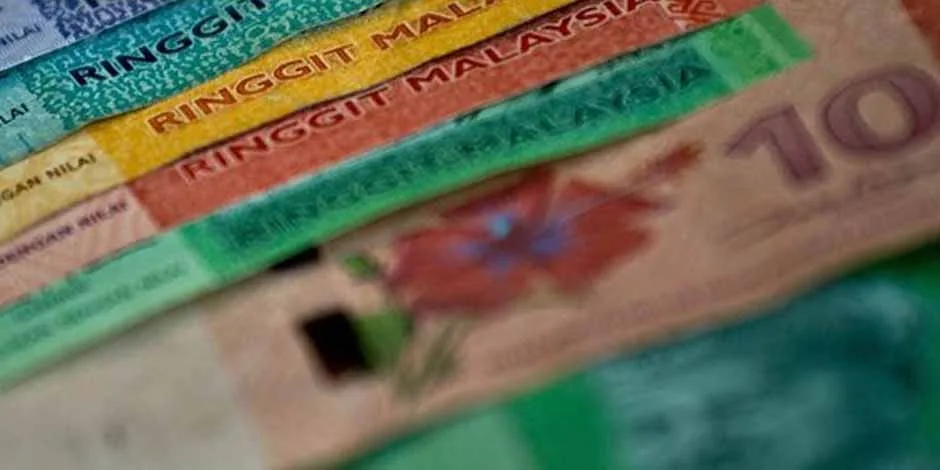
The word 'ringgit' means 'jagged' and originally referred to the serrated edges found on Spanish silver dollar coins that were widely used during the Portuguese colonial era in the 16th and 17th centuries. The Singapore dollar and Brunei dollar are also called 'ringgit' in Malay, but the currencies of the United States and Australia remain 'dollars'. Thus, the official abbreviation for the Malaysian ringgit is RM.