A Family Weekend in Ulu Kenas, Kuala Kangsar
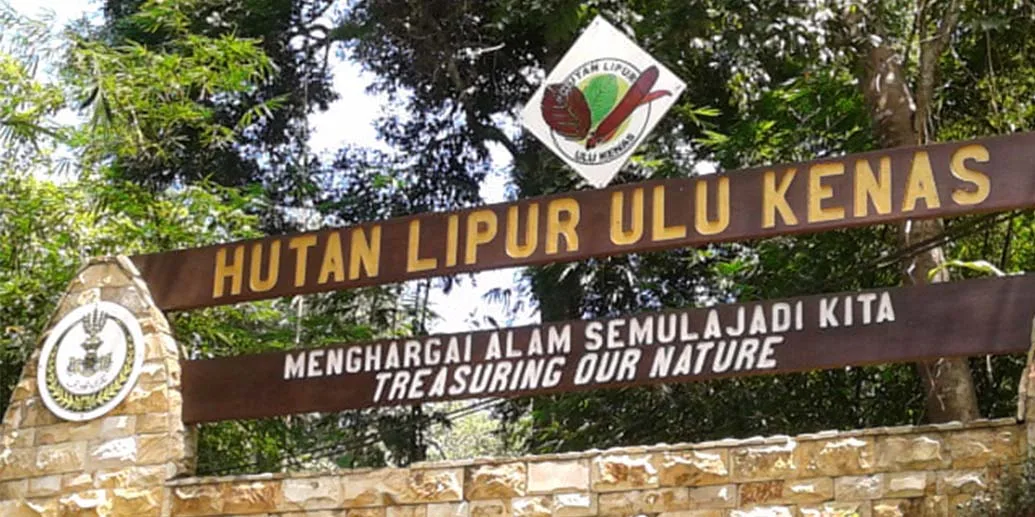
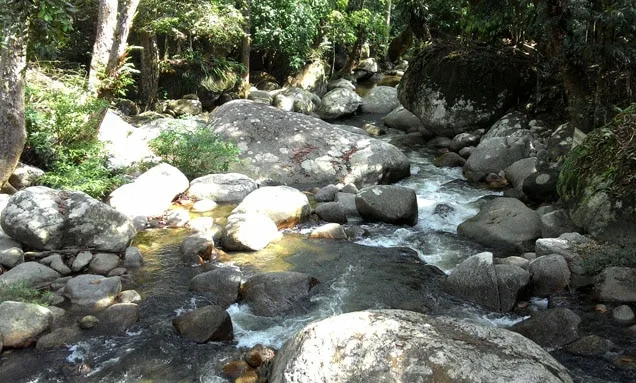
Many are familiar with the cool rapids found at the Ulu Kenas Recreational Forest in Kuala Kangsar, Perak. Ulu Kenas Recreational Forest is a very popular area for water-related activities such as picnicking, camping, and swimming with the family on weekends. Its cool, clear water originates from the peak of Gunung Bubu. Besides picnicking and camping, Ulu Kenas Recreational Forest also serves as a gateway for hikers looking to explore and conquer the summit of Gunung Bubu.
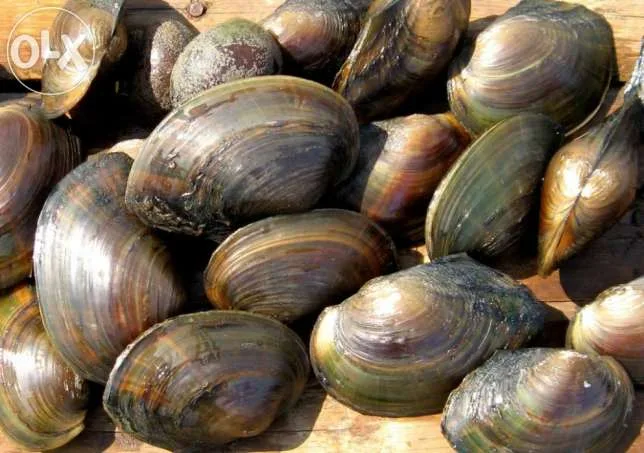
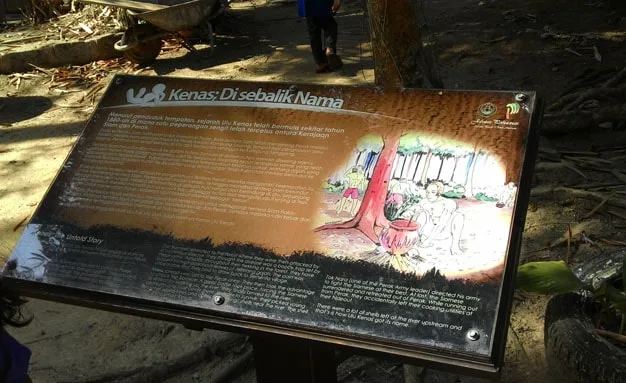
Rumors often heard about the origin of the name Ulu Kenas are linked to a type of plant, while other versions associate it with an animal cursed by Sang Kelembai. In reality, the name Ulu Kenas refers to a type of snail-based dish. 'Kenas' itself is a traditional village name for a dish made from Siput Kijing. The early history of Ulu Kenas dates back to the war between Siam and Perak around 1880.
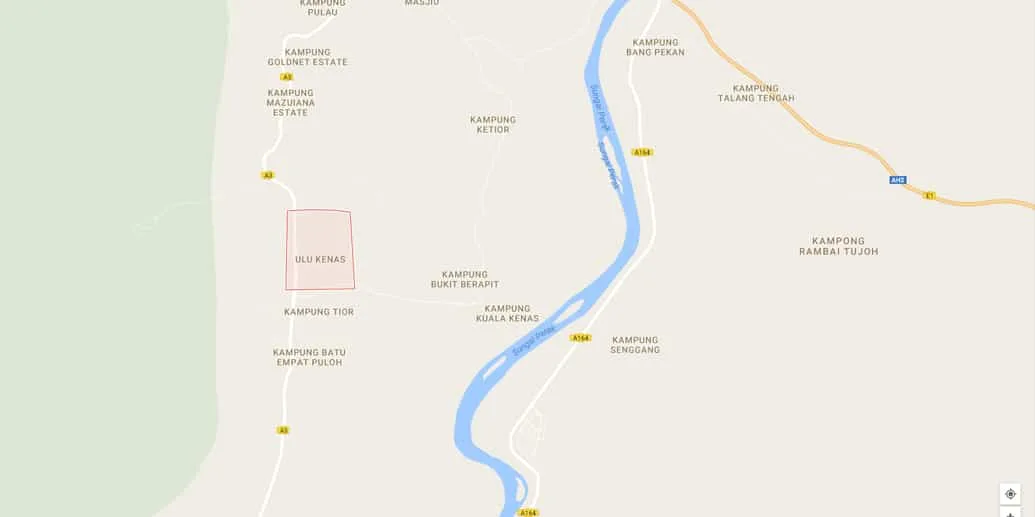
According to local stories, the history of this place began when a fierce war broke out between the Kingdom of Siam and the Kingdom of Perak around 1880. Siam, intending to conquer Perak, attacked via Kedah. The Siamese entered Perak through Kampung Sayong, where intense fighting occurred, eventually spreading to the nearby Kampung Senggang.
Due to the fierce fighting, the Siamese army was forced to retreat into the forest. While in the forest, they were struck by a mysterious illness. The Siamese believed this illness was caused by booby traps set by the Perak forces, but it was actually caused by the poison from the leaves of the Jelatang Gajah tree. The Jelatang Gajah tree is abundant in the forests of Perak. The poisonous parts are the fine hairs covering the surface of the plant; if they come into contact with the skin, they cause itching, stinging, and swelling.
The Siamese army retreated to Kampung Sementa due to the mysterious illness, and their movements were discovered by the Perak forces. An ambush was then launched against the Siamese army. A great battle ensued from the ambush, causing the Siamese soldiers to flee along the river until they reached the headwaters, where they took shelter. While traveling along the river, they gathered wild shoots and Siput Kijing from the riverbanks as a source of food. The dish made from Siput Kijing and wild shoots is what is known as Kenas.