The Eternal Legacy of the Late Mufti of Perak, Tan Sri Harussani Zakaria
The Eternal Legacy of the Late Mufti of Perak, Tan Sri Harussani Zakaria
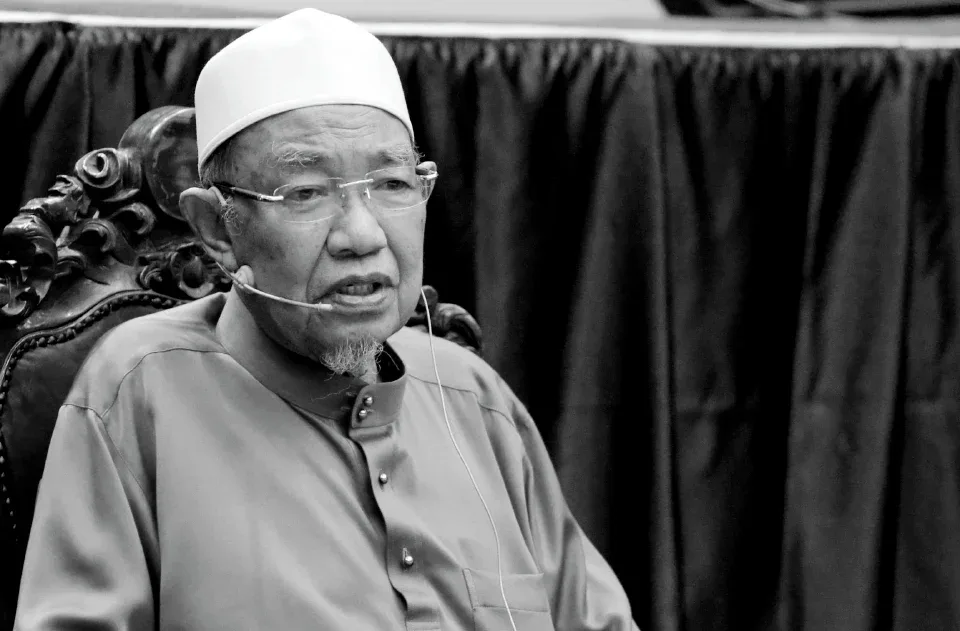
On the morning of May 30, 2021, the state of Perak and all of Malaysia were shocked by the news of the passing of a renowned Islamic scholar, Tan Sri Dato’ Seri Dr. Haji Harussani bin Haji Zakaria. He breathed his last at Raja Permaisuri Bainun Hospital, Ipoh, at the age of 82, leaving behind a legacy of knowledge and service that is hard to forget. His passing is not just the loss of a mufti, but also a persistent defender of the faith, an excellent educator, and an icon of pride for the Muslim community.
The late Harussani Zakaria was born on April 8, 1939, in Parit Tok Ngah, Tanjung Piandang, Parit Buntar, Perak. From a young age, he showed a deep interest in religious studies. His diligence and intelligence led him to begin his career as a Kadi in 1967. Shortly after, in 1973, he was appointed as the Chief Kadi, a position that recognized his expertise in the field of Islamic judiciary.
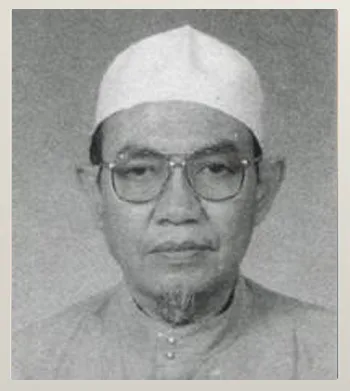
In 1985, he reached the pinnacle of his career when he was appointed as the Mufti of Perak, succeeding the previous Mufti. For over three decades in that position, he became a primary reference for religious affairs, both at the state and national levels. His fatwas often served as guidance, reflecting the depth of his knowledge and his broad understanding of Islamic Sharia.
Throughout his life, the late Harussani Zakaria served not only as a mufti but also as an educator and Islamic thinker. His contributions to the development of Sharia knowledge were recognized by the University of Malaya in 2001 with an Honorary Doctorate in Sharia. Nine years later, Sultan Idris Education University (UPSI) awarded him an Honorary Doctorate in Islamic Education, recognizing his immense services in the field of religious education.
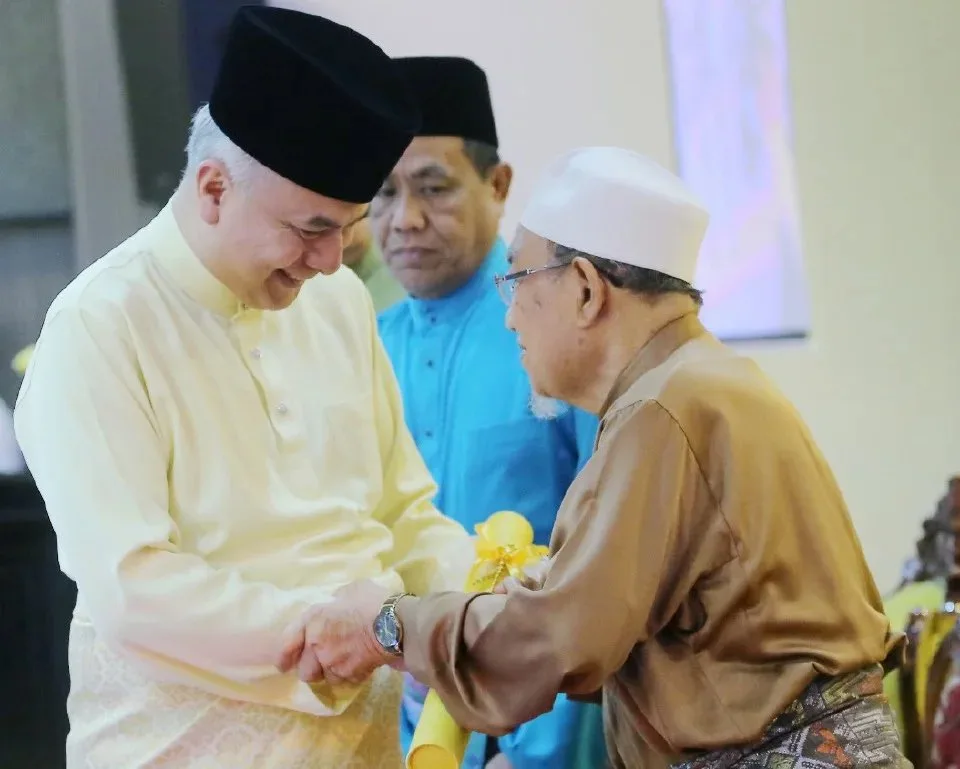
Furthermore, in conjunction with the Silver Jubilee Celebration of the Reign of the Sultan of Perak in 2009, the late scholar was awarded the Dato’ Seri Azlan (DSA) state decoration, the highest honor for a scholar who has rendered great service to the state. Another significant recognition was his selection as the National-level Maal Hijrah Figure in 2008, a title that proves his influence and contribution to developing the Muslim community in Malaysia.
The late Harussani Zakaria was not just a mufti, but also someone who was brave enough to speak the truth. He often reminded Muslims of the importance of defending their faith and Sharia, especially in the modern era full of challenges. His firm views on current issues, such as apostasy cases, the preservation of Muslim rights, and the issue of religious pluralism, made him a respected and revered figure.
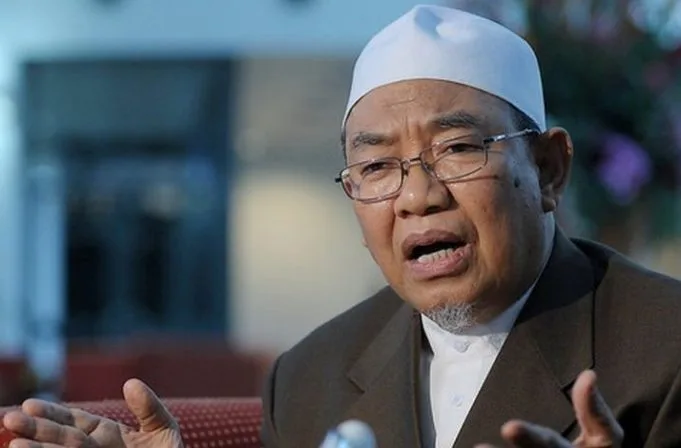
Additionally, he was active in writing, producing several books and articles that became important references in the fields of Fiqh and Islamic thought. His works reflect his meticulousness in dissecting religious issues with an approach that balances tradition and contemporary needs.
As a productive scholar, Tan Sri Harussani Zakaria left behind various written works that serve as important references. Among his famous works are "Hukum-Hukum Jenayah Islam" (Islamic Criminal Laws), which discusses the concept of hudud in depth, and "Fatwa-Fatwa Mufti Perak" (Fatwas of the Mufti of Perak), which compiles his official views on various current issues. He also produced "Tafsir Ayat-Ayat Hukum" (Exegesis of Legal Verses), which provides in-depth explanations of Quranic verses related to Sharia law.
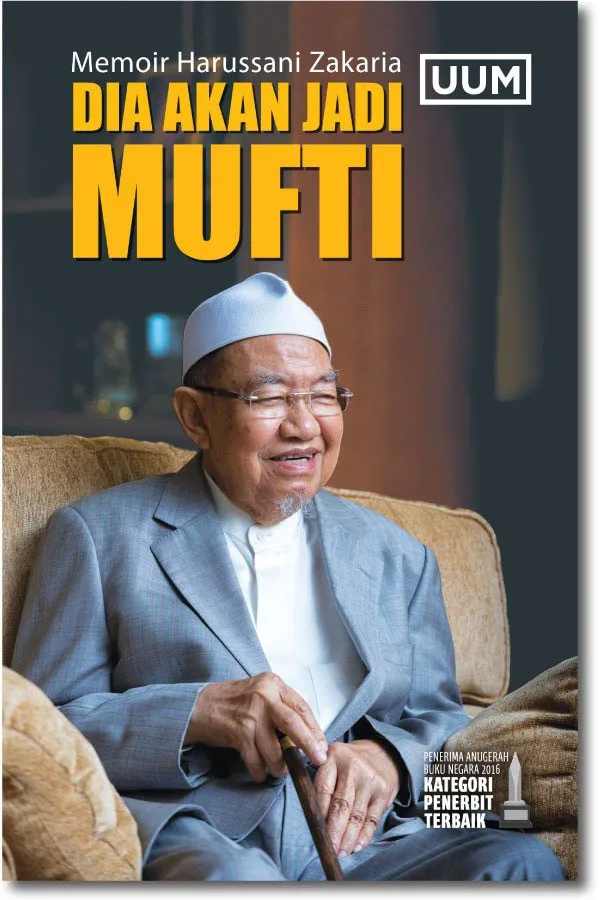
His works reflect a balanced approach between Islamic scholarly tradition and contemporary needs. Each of his writings is not merely theoretical but is accompanied by practical analysis relevant to the situation of Malaysian society.
As a religious figure who was not afraid to state the truth, Tan Sri Harussani Zakaria was not spared from various controversies. One issue that received widespread attention was his firm stance regarding the use of the word 'Allah' by non-Muslims from 2007 to 2010. He held the firm position that the use of this holy word by followers of other religions could confuse Muslims.
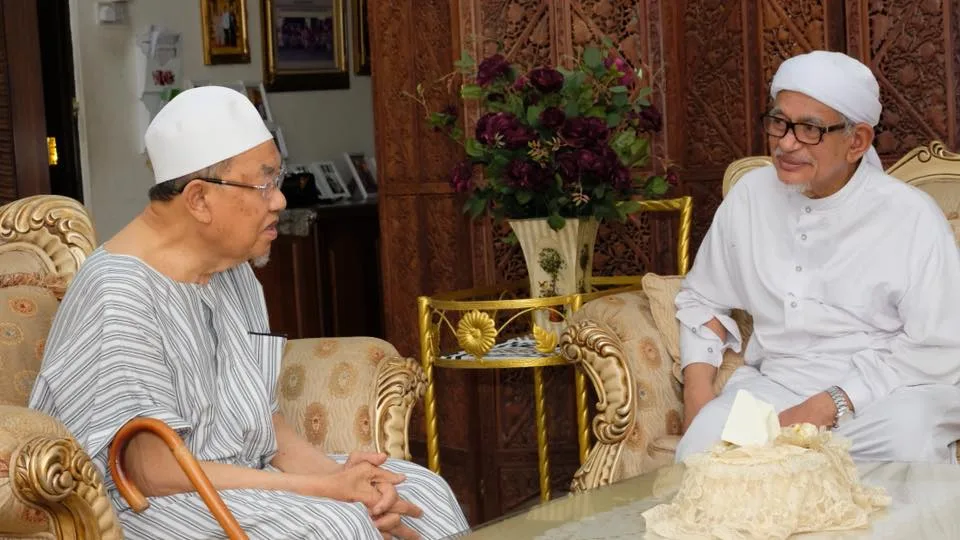
In 2008, his fatwa regarding the prohibition of yoga containing Hindu elements also sparked heated debate. Despite criticism from various parties, he remained steadfast in his position for the sake of preserving the purity of the Muslim faith.
In a sermon in 2015, he reminded the congregation that "rulers who do not implement the laws of Allah should be feared," a statement that drew reactions from various parties. His firmness on sensitive issues such as apostasy and religious freedom often became a subject of heated discussion.
The remains of the late scholar were laid to rest at the Kampung Melayu Muslim Cemetery, Sungai Rapat, Ipoh, witnessed by thousands who came to pay their final respects. The presence of many religious figures, political leaders, and members of the public proved the magnitude of the influence and affection he earned throughout his life.
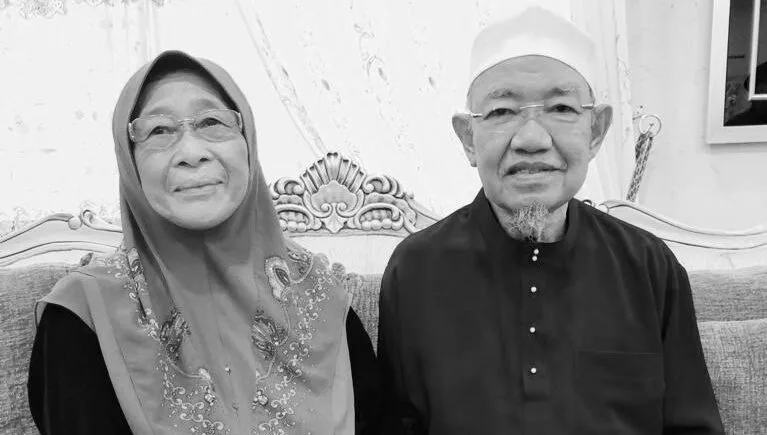
His passing leaves a void that is difficult to fill. However, his legacy of knowledge, his firmness in defending the religion, and his sincerity in guiding the community will always be remembered. Al-Fatihah for the late Tan Sri Harussani Zakaria; may his soul be showered with mercy and placed among the righteous.
Tan Sri Harussani Zakaria is not just a name, but a symbol of steadfastness and scholarship. He left this mortal world carrying ongoing charity, whether through his fatwas, his writings, or the thousands of students he educated directly or indirectly. As long as Muslims in Malaysia face challenges in defending their faith, his name will continue to be mentioned as one of the most respected defenders of the religion.
"Indeed, the death of a scholar is a calamity that cannot be covered, and a loss that cannot be replaced." – Narrated by Al-Baihaqi.
References:
- National Archives of Malaysia, Perak State
- Harakahdaily.net
- Utusan Malaysia
- Perak State Mufti Department