Tan Sri Annuar Zaini's Vision to Reshape Malay Heritage Identity in Perak
Tan Sri Annuar Zaini's Vision to Reshape Malay Heritage Identity in Perak
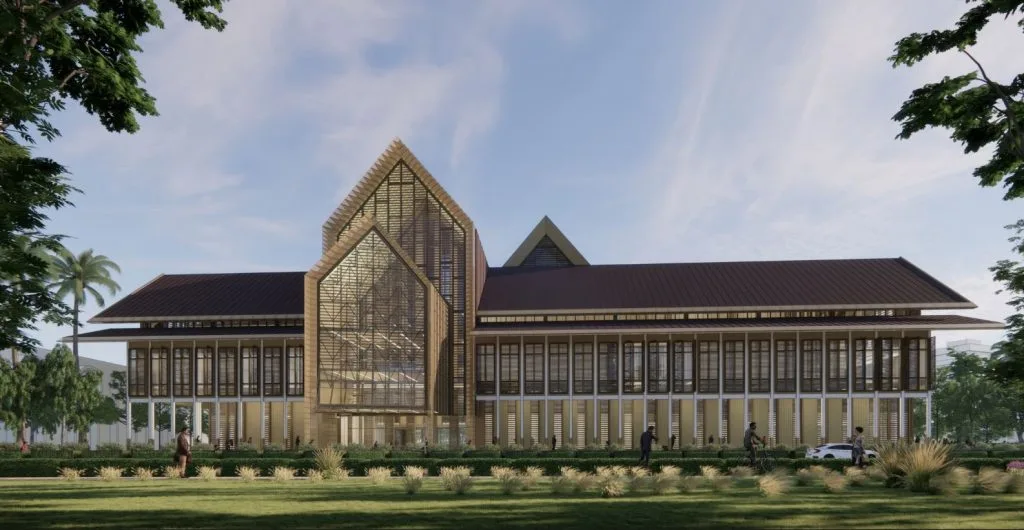
The landscape of Ipoh, the capital of Perak Darul Ridzuan, is a constantly changing canvas. Upon it are painted majestic colonial towers, silent witnesses to the prosperity of the tin mining era, standing alongside modern glass and steel structures that soar into the sky, symbolizing current aspirations.
Amidst this symphony of development, between the echoes of the past and the promises of the future, a pressing and profound question arises: where does the soul of Perak lie? In our fervor to pursue progress, are we at risk of losing the unique architectural identity that distinguishes us, replacing it with a uniform and soulless global facade?

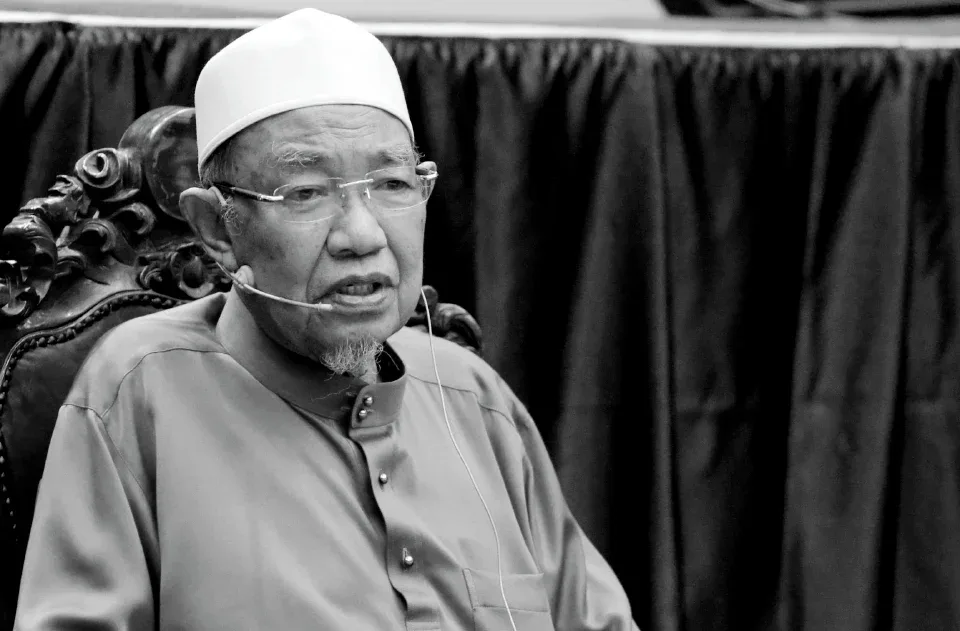
This is the question that seems to reside in the heart of Tan Sri Dato' Seri Mohd Annuar bin Zaini, President of the Perak Islamic Religious and Malay Customs Council (MAIPk). He is not someone who rejects the tide of modernization. Instead, he emerges as a statesman and thinker who intends to navigate that tide, to inject into it the essence of heritage that forms the core of Perak's identity.
His vision is not to build a museum that showcases the past, but to revive the philosophy and aesthetics of that heritage in a form that is relevant, functional, and a source of pride for the modern era.
The most tangible and bold answer to this question is currently taking shape in the heart of Ipoh. The 'Doa Selamat' ceremony for the commencement of the MAIPk Administrative Complex and Commercial Centre (KPPK) on September 18, 2025, marks more than just the beginning of a construction project.
It is a statement in concrete and timber that declares an intention to elevate the increasingly marginalized Malay heritage architecture. This project is set to become a "new landmark" for Ipoh, not looking outward for inspiration, but looking inward, to the roots of Perak tradition, specifically to the elegance and wisdom of the Rumah Kutai.
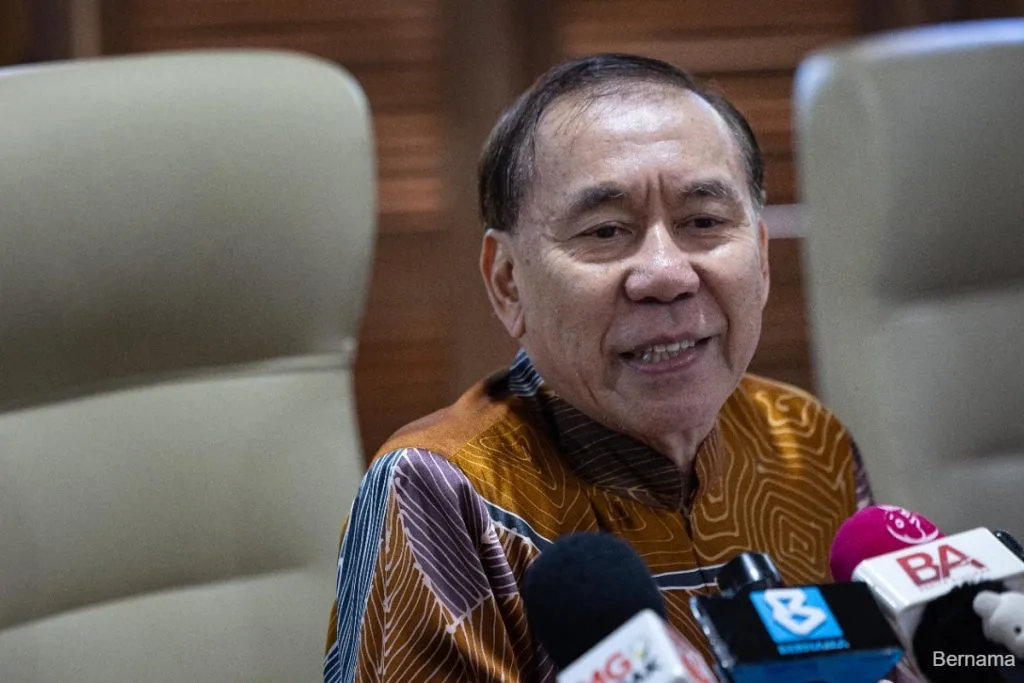
This initiative, led by Tan Sri Annuar Zaini, can be seen as an important counter-narrative to the trend of architectural globalization sweeping through many cities in Malaysia. While many new buildings adopt international styles found anywhere in the world, the KPPK project represents a conscious and strategic movement of re-localisation in public architecture.
MAIPk's statement expressing the intent to give "new life" to a heritage that is "increasingly marginalized in the current of modern development" is a clear rejection of the status quo. This is not just a construction project; it is an act of cultural reclamation. It challenges the assumption that "modern" must mean "Western" or "global."
By doing so, KPPK positions itself as a pioneering example of an architectural approach known as "critical regionalism"—a sophisticated approach that embraces modernity without sacrificing local identity. It is a deliberate effort to create architecture that truly belongs to its place, rather than just being located in it.
Therefore, this article is not merely a report on a new building. It is a narrative about a grand vision to reclaim and redefine the identity of a state through the soul of its architecture.

Beyond Administration: Getting to Know the Person Behind the Desire to Elevate Malay Architecture
“We cannot let Malay architecture just become pictures in history books. It must come alive again, stand majestically in the city center, and become our identity in the eyes of the world.” These were his words during a casual event with media practitioners recently. Words that are not just rhetoric, but a determination.
To understand the depth of the desire behind the construction of the MAIPk KPPK Complex, we must first know the person driving it. This vision to elevate Malay architecture was not born out of mere nostalgia, but is the culmination of the life journey and career of a figure with vast experience, Tan Sri Dato' Seri Mohd Annuar bin Zaini.
His profile extends beyond the role of a religious administrator; he is a statesman, economic strategist, corporate leader, and thinker who is always concerned with the pulse of national development.
His journey began in the public service as an Administrative and Diplomatic Officer in 1977, where he gained valuable experience by serving in various federal ministries and departments as well as the Perak State government. This solid foundation in the intricacies of administration shaped his discipline and deep understanding of how the government machinery functions to translate policy into reality.
This experience, including serving as Senior Private Secretary to the Minister of Home Affairs from 1981 to 1986, exposed him to the decision-making process at the highest level of the country.
However, Tan Sri Annuar Zaini's contributions are not limited to the field of administration. He later moved into the arena of economic planning, where the sharpness of his strategic thinking truly shone.
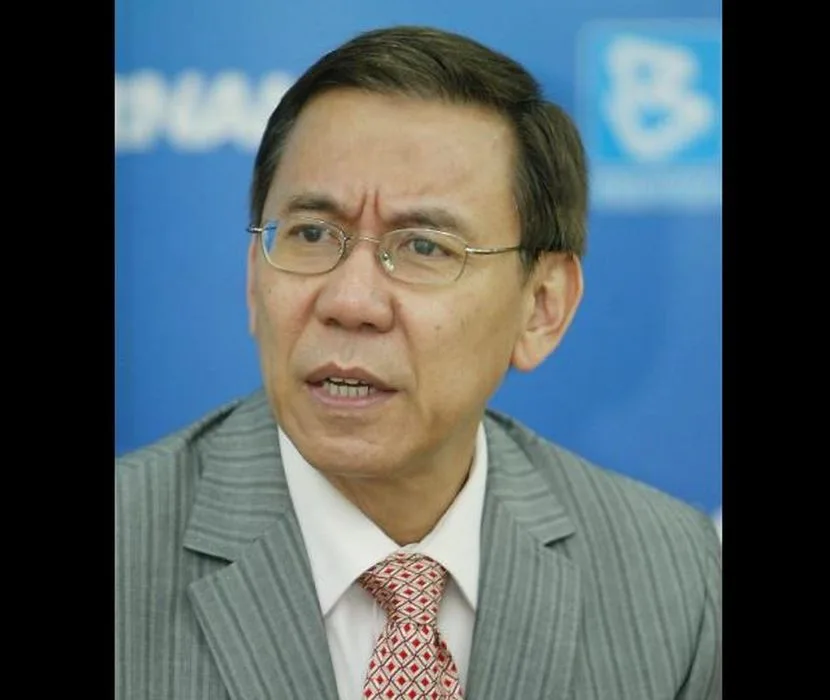
His role as Special Advisor to the Prime Minister and later Chief Executive of the Northern Corridor Implementation Authority (NCIA) from 2007 to 2009 placed him at the center of socio-economic development planning for the northern region of the Peninsula. Here, he did not just deal with numbers and projections, but with the impact of development on the community.
His views on the "Shared Prosperity" model reveal his concern for equitable and inclusive growth, especially for the poor. He emphasizes the importance of high-integrity implementation to ensure that the benefits of development reach the people, a principle he surely brings to every project he leads.
His leadership is also recognized in the corporate world. He served as Chairman of the national news agency, BERNAMA, for six years (2004-2010), where he surely understood the role of narrative and image in nation-building. His extensive corporate experience, including as Chairman of UDA Holdings Berhad, 7-Eleven Malaysia Holdings Berhad, and various other boards, gave him a unique perspective on modern market dynamics, large-scale project management, and corporate governance.
This combination of experience in the public and private sectors is crucial; it gives him the ability to balance cultural idealism with implementation pragmatism.
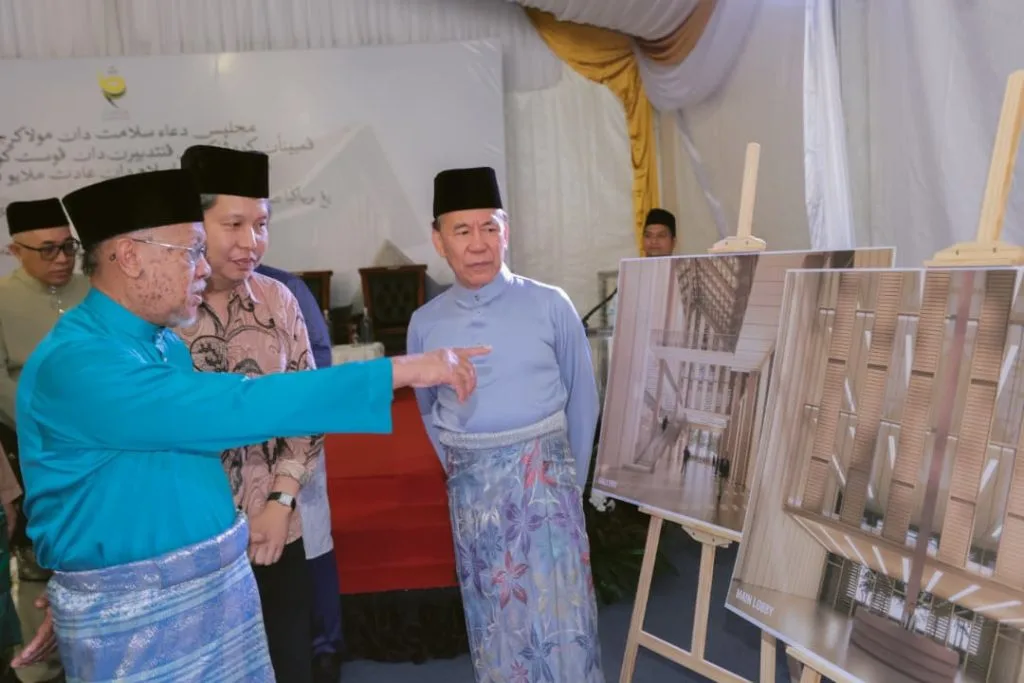
Beyond these professional achievements, Tan Sri Annuar Zaini is also an intellectual who holds a Master's degree in Law and Diplomacy from The Fletcher School of Law & Diplomacy, Tufts University, United States. He is someone who loves to acquire knowledge and appreciates principled leadership.
His admiration for figures like the late Tun Dr. Ismail Abdul Rahman reveals his personal traits: someone who is very meticulous, values perfection, and believes in the potential of the youth as the country's most important asset. He remembers Tun Dr. Ismail's message that youth are "a power" that can build or destroy a nation, and how important it is to give them the opportunity to lead.
This philosophy aligns with his desire to build a legacy like KPPK, which he describes as a "tourist, educational, and historical attraction for future generations."
When all these threads of experience—public administration, economic planning, corporate leadership, and intellectual thought—are woven together, it is clear that his vision for KPPK is not just a construction project. It is a well-planned economic and social strategy.
A leader with his background would not invest RM74.67 million for aesthetic purposes alone. He sees heritage as a tangible asset. He understands that in an increasingly global world, a unique cultural identity is a competitive advantage.
It attracts tourism, investment, and talent. His own description of the complex as a "tourist attraction" and a "new benchmark in development approaches" confirms this. His simultaneous leadership at UDA Holdings (a major property developer) and MAIPk (a religious and cultural institution) is not a contradiction, but a perfect synergy.
He is in a unique position to bridge the gap between the world of modern development and traditional values. Thus, his role at MAIPk is not a final stop in his career, but a chapter where he applies all the wisdom gathered for a purpose that is vital for the future of Perak and Malaysia: building progress rooted in identity.
MAIPk Complex: More Than Just a Building, A Cultural Statement
The MAIPk Administrative Complex and Commercial Centre (KPPK) project is the physical manifestation of the grand vision supported by Tan Sri Annuar Zaini. It is not designed as just another soulless office building, but as a loud and clear cultural statement.
Every line, every carving, and every material chosen carries a profound message about the desire to restore the dignity of Malay architecture to its rightful place in the modern landscape of Perak. This project aspires to be a new landmark for Ipoh, but not a landmark that mimics foreign styles.
Instead, it is a landmark that tells a story about local history and heritage, a building that dialogues with its past to shape its future.
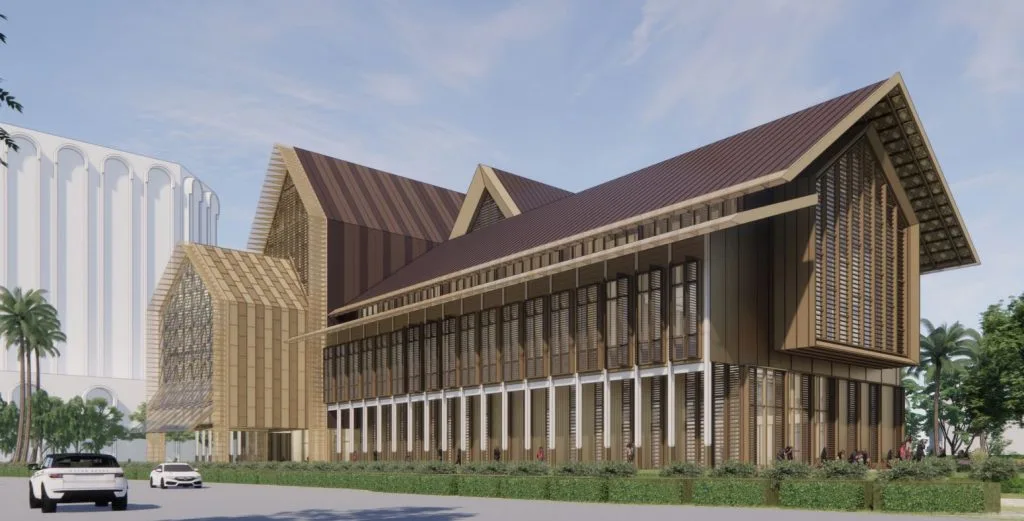
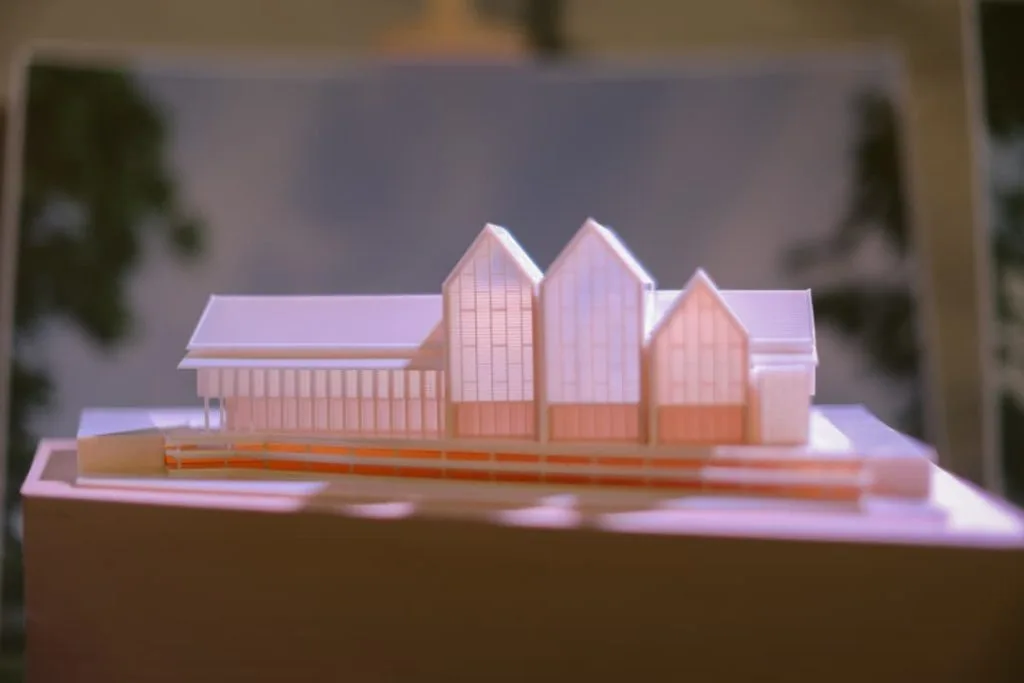
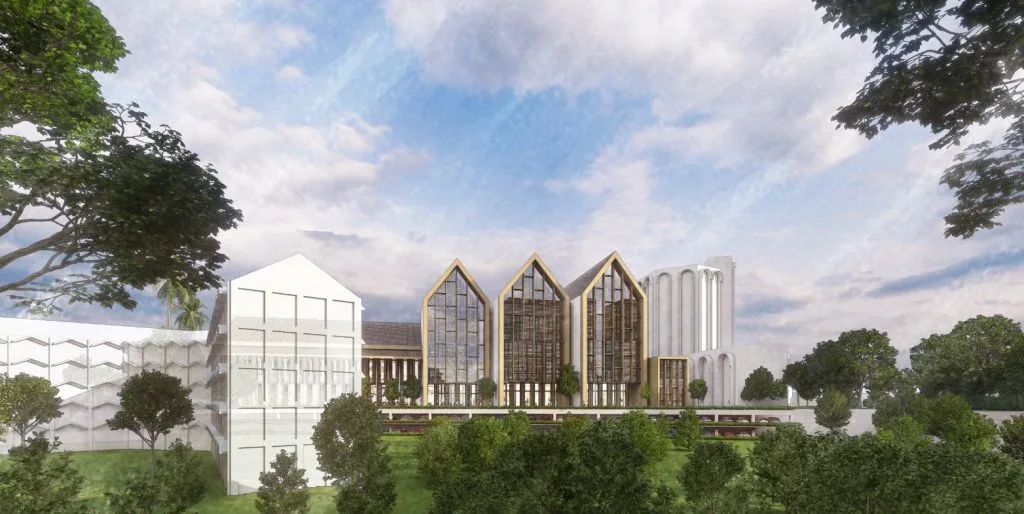
Led by the firm GDP Architects, the design of this complex consciously rejects generic molds and instead delves into the richness of Malay Nusantara architecture, with a specific focus on the elements and motifs of the traditional Perak Malay house, the Rumah Kutai. This effort is a bold step to "give new life and inject soul" into a heritage that is increasingly forgotten.
An analysis of its design reveals a meticulous approach to blending traditional aesthetics with modern functionality.
Modern buildings appear in uniform shapes, glass walls, flat roofs, and without cultural soul. In the middle of Ipoh city, for example, only a few buildings remain that carry a Malay nuance. This is what concerns Tan Sri Annuar.
“If we let it be, our children and grandchildren will no longer know what a Perak roof looks like, or the art of the 'tiang seri' (main pillar). We must be brave enough to uphold our heritage again.”
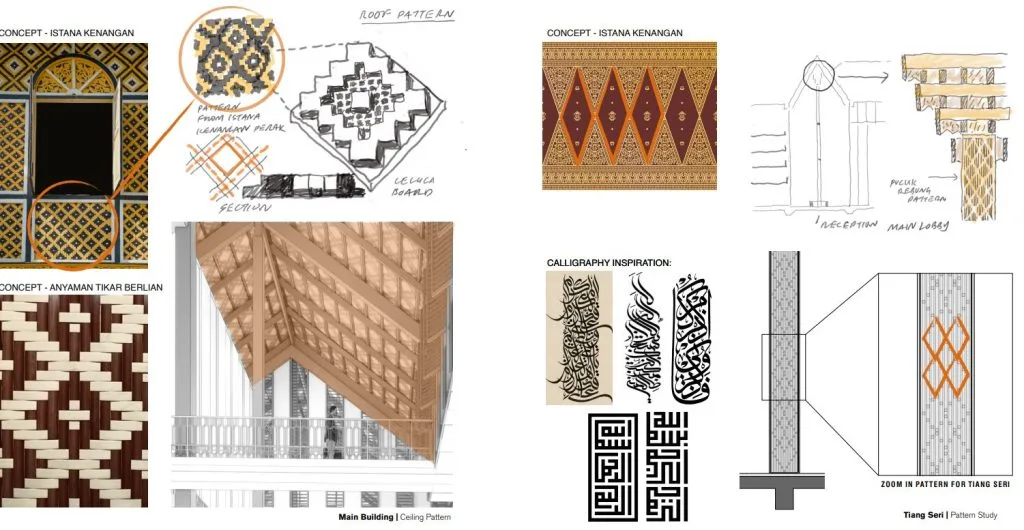
Unpacking the Philosophy Behind the Design
The main features of this building are not just decorations, but a translation of the principles of the Rumah Kutai into the scale of a modern institution:
- Bumbung Lima (Five-sided Roof): The most prominent and iconic feature is the use of the five-sided roof design. This type of roof, also known as the bumbung limas potong Perak, is synonymous with traditional houses in Perak. Its use on a large-scale modern building is a clear tribute to the state's architectural identity, ensuring that even from afar, this building is recognized as belonging to Perak.
- Fine Wood Carvings: The building will be adorned with fine wood carvings on pillars, ceilings, and windows. These are not just decorative elements, but a celebration of high-quality Malay craftsmanship. In the Rumah Kutai tradition, these carvings often carry floral and cosmic motifs, symbolizing the harmony between humans and nature. Re-applying this art in the KPPK project not only preserves these skills but also provides economic opportunities for local carvers, reviving a heritage industry.
- Solar Shading Windows: This is where the wisdom of modern and traditional design meets. The complex's windows will be equipped with sunshades. This design maintains the aesthetic value inspired by old house windows, but at the same time, it fulfills a crucial modern function: light and heat control. This is the best example of how the passive design principles existing in the Rumah Kutai—built to handle the tropical climate—are translated using modern technology and materials. It aligns with the philosophy of combining "tradition with modernization" and reflects the ancestors' wisdom in building sustainable dwellings.
- Natural Color Palette: The selection of color tones inspired by nature—such as wood, earth, and leaf colors—is another nod of respect to the philosophy of traditional Malay architecture. It symbolizes "sustainability, authenticity, and simplicity," in contrast to the artificial colors that often dominate modern buildings. This creates a building that feels welcoming and harmonious with its surroundings, not an alien structure separated from it.
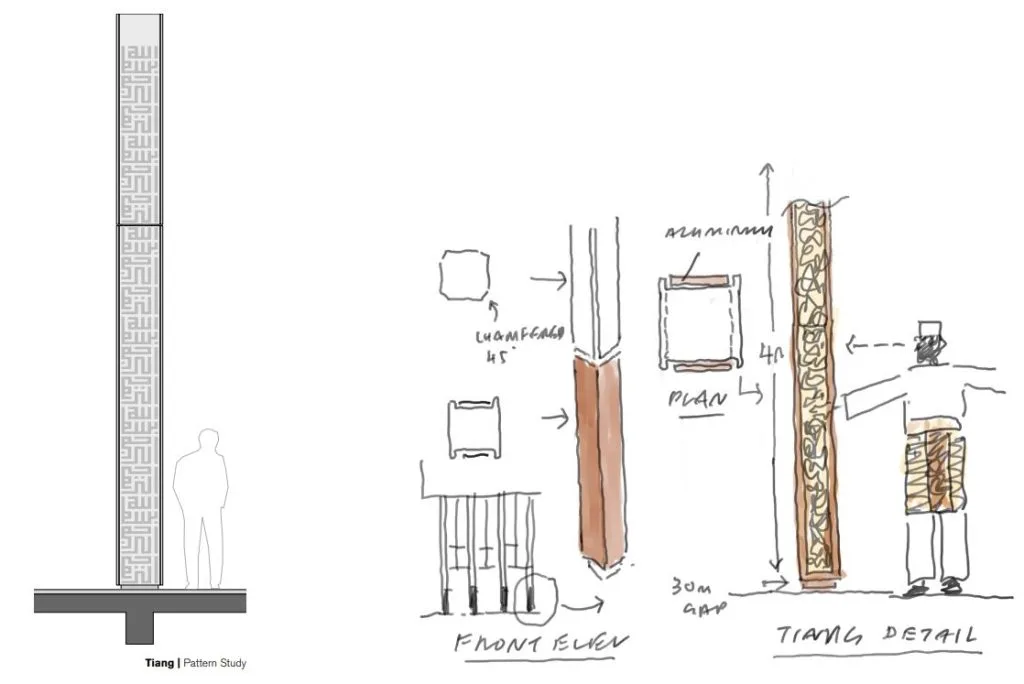
The Voice Behind the Vision
The philosophy behind this design is concisely summarized by Tan Sri Annuar Zaini himself. His words serve as the conceptual cornerstone for the entire project. He stated that the development of KPPK will be a "new benchmark in development approaches that combine tradition with modernization, fulfilling the agenda of preserving Malay culture and heritage."
This statement is crucial. It confirms that this project is not an exercise in nostalgia, but a pioneering model for the future. It shows the way how development can move forward without severing ties with its roots.
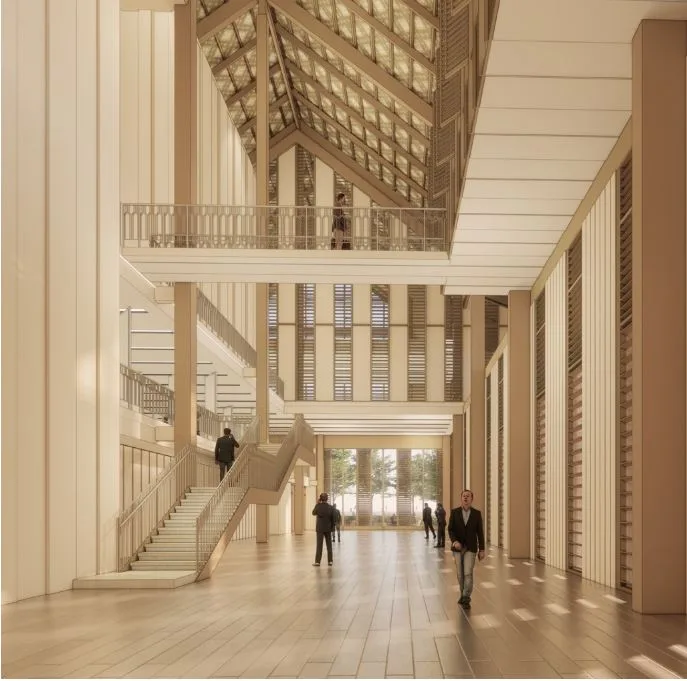
More Than Just an Office
For Tan Sri Annuar, building this complex is not just about meeting the administrative needs of MAIPk. More than that, it is a cultural statement.
“We want to make this building an example. So that after this, any new development in Perak will refer back to Malay architecture. We want to show that this heritage is not an obstacle to progress; in fact, it can be the true face of our modernity.”
The function of this complex also reflects a holistic vision. It is not just an administrative center for MAIPk affairs. The six-story building with two levels of underground parking will also house office spaces, commercial floors, and retail areas, making it a vibrant hub of activity. However, the most significant component in realizing the heritage preservation vision is the allocation of a special floor for a
Heritage Gallery. This transforms the building from a closed administrative facility into a public destination. It will be a space where the community, especially the younger generation, can come to learn and appreciate their history and culture.
Tan Sri Annuar Zaini's vision is clear: the complex is "planned to be a tourist, educational, and historical attraction for future generations." It is a legacy built not only to serve the present but to educate the future.
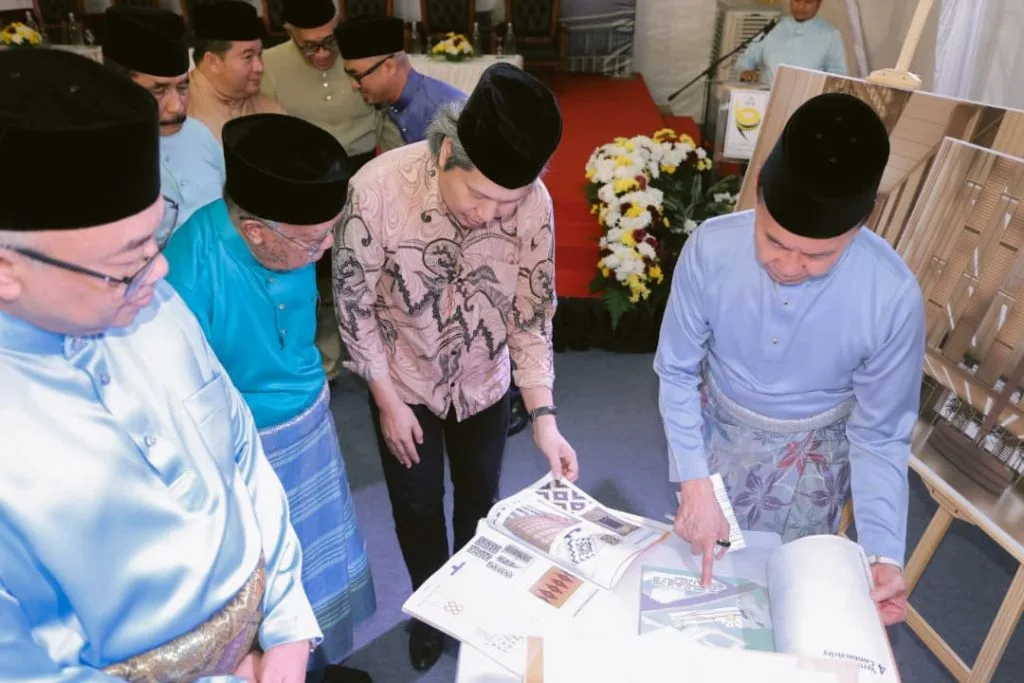
An Etched Legacy: Building a Future Rooted in Identity
When the MAIPk Administrative Complex and Commercial Centre is completed in April 2028, it will stand not only as a building but as a legacy. It is the physical embodiment of a bold and profound vision, an effort led by Tan Sri Annuar Zaini to unite the past, present, and future of Perak in one grand architectural vessel.
It is the answer to the question asked at the beginning: where does the soul of Perak lie? The answer is now being etched in stone and carved in wood in the heart of Ipoh city.
This project, in its essence, is a sophisticated strategy to combine heritage with progress. It rejects the false notion that we must choose one over the other. Instead, it shows that the strongest foundation for building the future is by understanding and appreciating our past.
The KPPK complex will not be a frozen artifact, but a living and functioning "historical attraction for future generations," a three-dimensional textbook that will teach our children about their roots, about their ancestors' wisdom in building a life in harmony with nature and tradition.
In an era of globalization that often erodes cultural uniqueness, the effort to assert identity becomes increasingly important. A society that is confident in its future is a society that knows who it is. And architecture is one of the most permanent and powerful expressions of that identity. It is a reflection of the values, aspirations, and soul of a nation etched into its physical landscape.
Tan Sri Annuar Zaini's legacy through this initiative will extend beyond his role as an administrator or corporate figure. He will be remembered as a cultural custodian, a nation-builder who understands that the strength of a country is not measured only by the height of its skyscrapers, but by the depth of its roots.
The MAIPk KPPK complex is not a full stop. It is a starting point, the beginning of a revival of Perak's art and architecture, a signal that the spirit of the Rumah Kutai is not just preserved, but reborn to shape the soul of Perak in the 21st century. As once expressed by a thinker, "If we want to preserve culture, we must continue to create it." Through this vision, Perak is not only preserving its heritage; it is creating the legacy of its future.