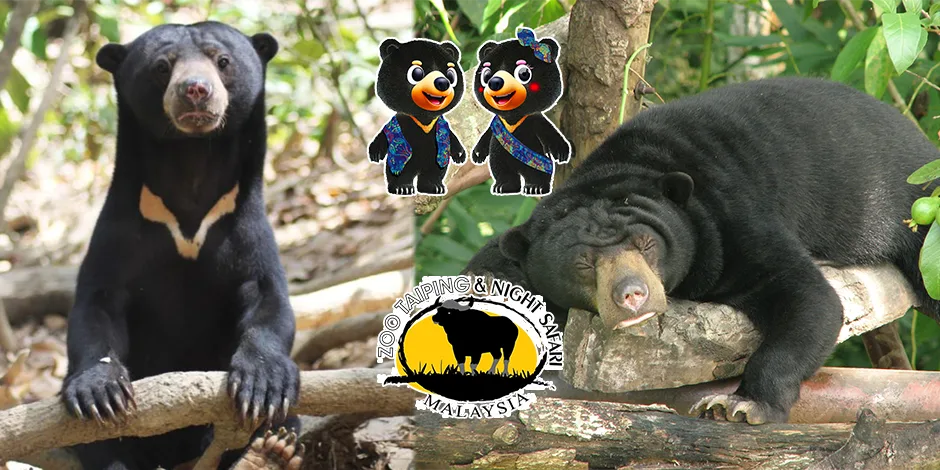
Sun Bear, the Mascot for Visit Malaysia 2026
Recently, the Sun Bear was selected as the icon and mascot for the Visit Malaysia 2026 (VM2026) campaign. Also known as the Honey Bear, the animal mascots have been named Wira (male) and Manja (female).
The sun bear was chosen because it is the smallest bear species in the world and is a unique species native to the tropical regions of Southeast Asia, including Malaysia.
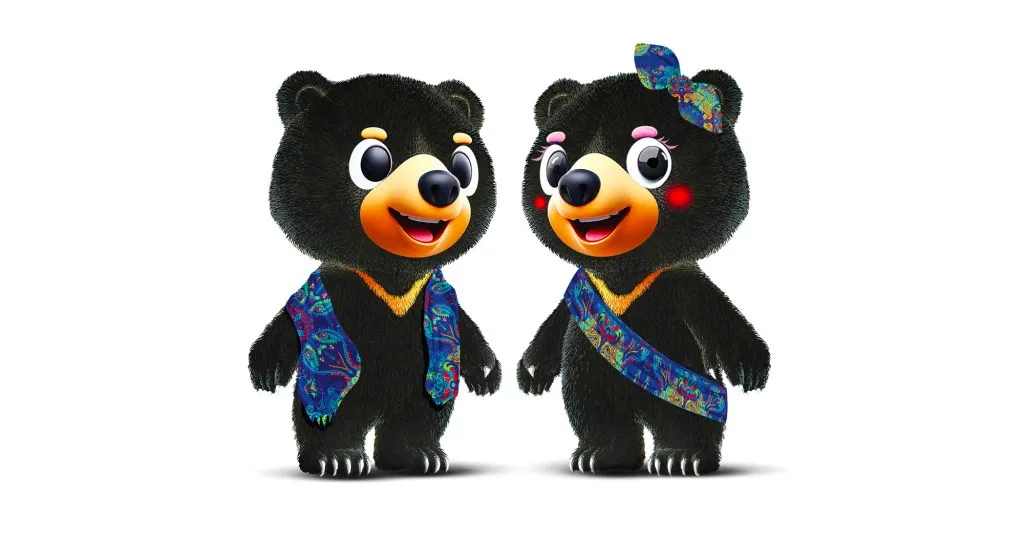
The Wira and Manja mascot characters were designed in a cute and appealing animated style to attract all age groups, as well as to encourage tourist arrivals to the country. The campaign icon was unveiled for the first time at the VM2026 Launch Ceremony.
The Sun Bear gets its name from the yellowish-orange mark that stands out on its chest. It is the smallest bear species in the world, with a height of 1.2-1.5m and a weight of 27-70kg. Despite this, it remains a dangerous animal. It is an adept climber, using its large feet with long, sickle-shaped claws.
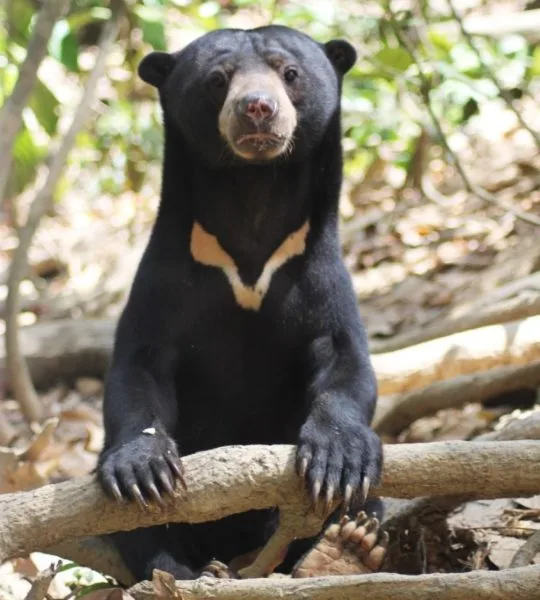
This animal's natural habitat includes the tropical rainforests of Southeast Asia, Indochina, Peninsular Malaysia, the island of Sumatra, and the island of Borneo. The Sun Bear species found in Thailand and Peninsular Malaysia is known as the Malayan sun bear (H. m. malayanus), while those in the Borneo islands are known as the Bornean sun bear (H. m. euryspilus).
The Malayan Sun Bear is the smallest animal species in the Ursidae family compared to polar bears and grizzly bears. This bear only reaches a length of 150 centimeters and can weigh up to 70 kilograms.
With its short and fine fur, it is clearly different from other bears that have thicker coats, as it has adapted to the low-lying and hot climate, such as in Peninsular Malaysia.
Although it is the smallest of the bear species, it remains dangerous due to its long, sickle-like claws. It may look cute, but you need to be careful if you encounter one. The sun bear has long claws that are very useful for climbing trees to find its favorite food: honey. It has a very long tongue, about 25 centimeters, which allows it to extract honey from beehives.
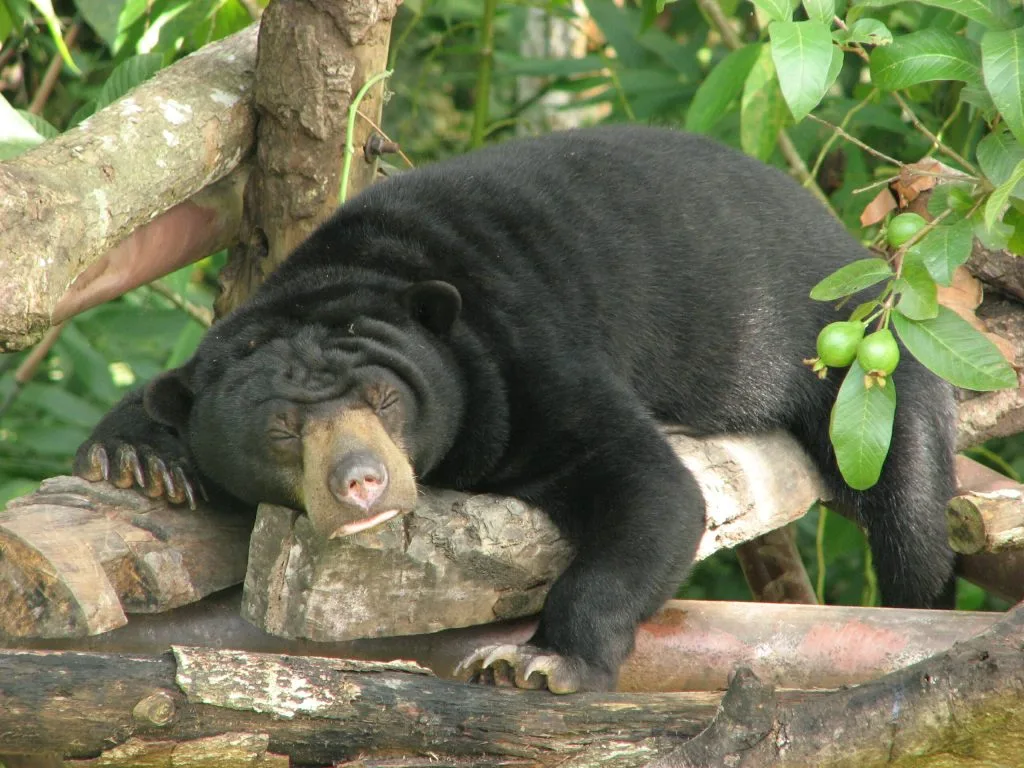
In the peninsula, besides the many cases of tiger attacks on rubber tappers, sun bears also contribute to attacks, some of which have been fatal. These bears also eat insects and fruits. Their claws are also used to dig into dead branches and soil to find insects like beetles and termites as a source of protein. These bears also spend a lot of time in trees.
The unique thing about this bear species compared to others is that it does not need to hibernate because it lives in tropical regions that do not have a four-season cycle, unlike other bear species in northern latitudes that must hibernate when winter arrives.
Like many other unique animals in Malaysia, the sun bear has not escaped being a target for hunting to obtain its fur and gallbladder, which are considered nutritious in traditional Chinese medicine. In 2007, the IUCN classified the sun bear as a 'vulnerable' species.
Many zoos in Malaysia protect and conserve sun bears from the threats of development and poaching. There is also a conservation center called the Bornean Sun Bear Conservation Centre located in Sepilok, Sabah, to raise public awareness about the existence of this cute animal.
Of course, here in the state of Perak, Zoo Taiping is one of the zoos that also cares for the Sun Bear. So, let's visit Zoo Taiping to see the animal that has become our national mascot for Visit Malaysia 2026 up close.
May we all be aware of the existence of the sun bear and work together to protect it from the threat of extinction!
References:
- Zoo Taiping Website
- Tourism Malaysia
- Wikipedia
- Malaysian Wildlife.org