Remembering National Hero Tan Sri Khoo Chong Kong
Remembering National Hero Tan Sri Khoo Chong Kong
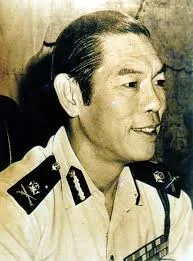
Tan Sri Dato' Seri Panglima Khoo Chong Kong (1925 – 14 November 1975) was the former Perak State Police Chief who served during the communist emergency era in Malaysia. He is known not only as a dedicated police officer but also as a brave and principled individual. His life was full of challenging twists and turns, starting from a difficult childhood to the tragic final moments of his life. This article will delve deeper into his life, contributions, and legacy, which remain remembered to this day.
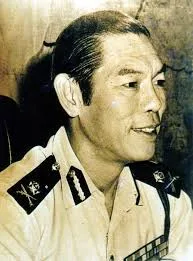
Early Life: From China to Malaya
Khoo Chong Kong was born in 1925 in Xunwu district, Jiangxi province, China. He was the youngest child in a Hakka family with roots in Guangdong province. His family consisted of seven siblings (six boys and one girl), and his father worked as a doctor.
Khoo Chong Kong's early life was not easy. When he was about two or three years old, his family was attacked by communists during the Chinese Civil War. This incident left a deep impression on him. As a result, he decided to leave some of his family members and migrate to Malaya with an older brother, an uncle, and several relatives who worked as missionaries.
They first settled in Seremban, Negeri Sembilan, which later became Khoo Chong Kong's permanent residence throughout his police career. After a few years, their family moved to Ipoh, Perak, and settled at the Cheng Elim Church on Jalan Taiping. It was here that Khoo Chong Kong began his education at Nan Ying Hua School.
Despite living in poverty, Khoo Chong Kong never gave up. He studied diligently for a bright future and worked hard to help support his family. This perseverance and fighting spirit became the foundation for his future success.
The Japanese Occupation and Early Involvement
When the Japanese invaded Malaya, Khoo Chong Kong's life changed once again. His uncle instructed him and his brother to move to Negeri Sembilan to seek protection from his aunt, who worked as a head nurse at the Negeri Sembilan Chinese Midwifery Home.
During the Japanese occupation, Khoo Chong Kong joined the Malayan Peoples' Anti-Japanese Army (MPAJA) established by the Malayan Communist Party (MCP). However, after the war ended, he rejected an offer to join the MCP due to ideological differences. This decision reflected his high principles and integrity, even at a young age.
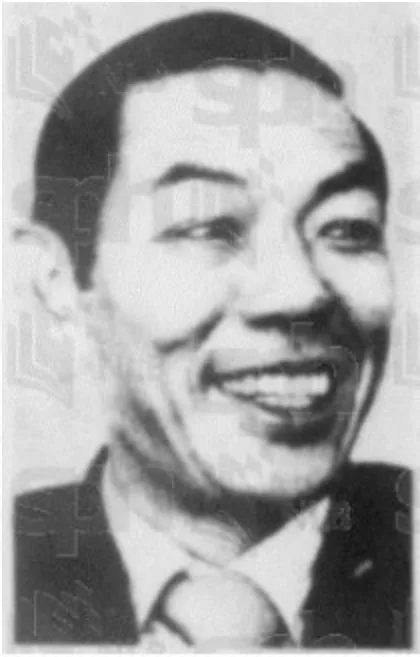
Police Career: Contribution and Dedication
After the Japanese occupation ended, Khoo Chong Kong began his career in the police force. He served with full dedication and successfully rose through the ranks until he was appointed as the Perak State Police Chief. At that time, Malaysia was facing the threat of communist terrorists, and Khoo Chong Kong played a crucial role in combating that threat.
He was known as an authoritative, brave leader who was always at the forefront of his team. His courage and leadership served as an inspiration to many police officers who served under him.
Brutal Assassination: A Dark Moment in History
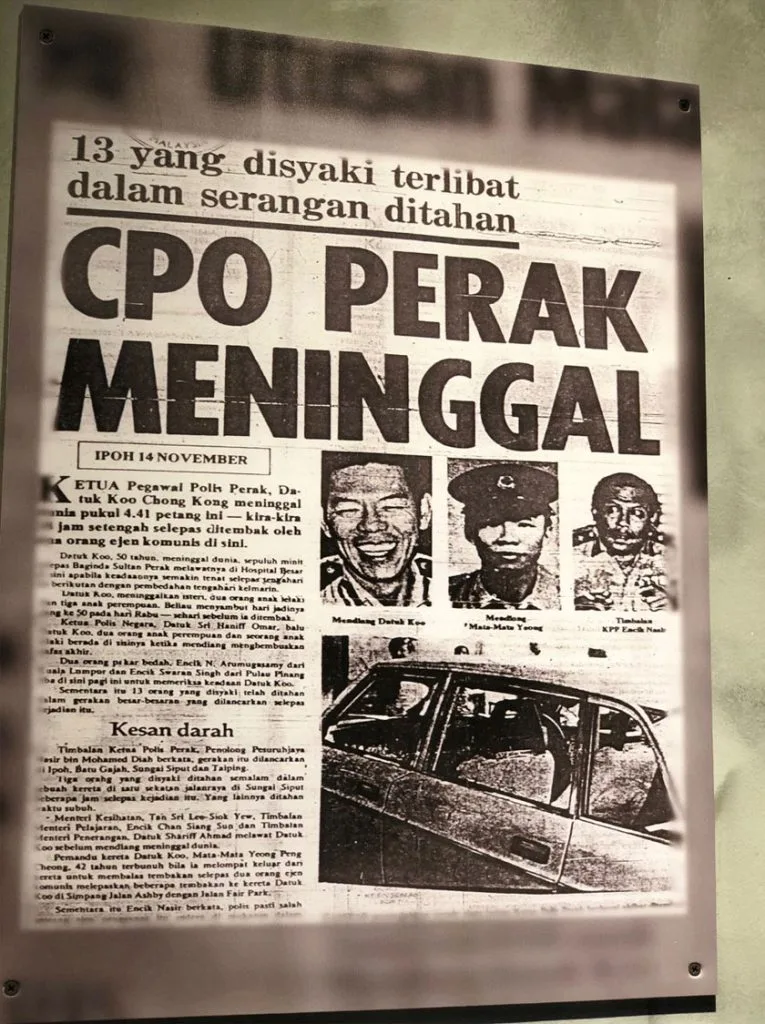
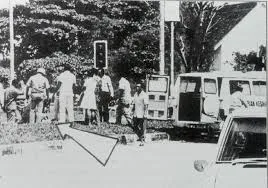
On 13 November 1975, a dark tragedy occurred. Khoo Chong Kong was brutally assassinated by two communist terrorists riding a motorcycle. The incident took place at the traffic light junction between Fair Park and Jalan Anderson in Ipoh, Perak.
His driver, PC 5135 Yeung Peng Chong, was also killed while trying to fight off the attackers. Although rushed to the Ipoh General Hospital (now known as Hospital Raja Permaisuri Bainun), Khoo Chong Kong's condition deteriorated due to the severe injuries he sustained. He breathed his last on 14 November 1975, at the age of 50.
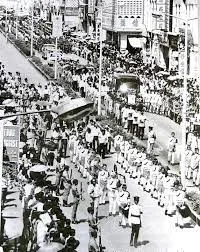
His assassination shocked the entire nation. More than 20,000 people attended his funeral in Ipoh, including the then Prime Minister of Malaysia, Tun Abdul Razak, and the Inspector-General of Police, Tun Hanif Omar. His remains were then taken to the Royal Malaysian Air Force (RMAF) base in Sempang, Sungai Besi, Kuala Lumpur, before being buried in Seremban, Negeri Sembilan.
An Eternal Legacy
Although he is gone, Khoo Chong Kong's contributions and sacrifices remain remembered. Two roads have been named after him as a final tribute: Jalan Khoo Chong Kong in Ipoh, Perak, and Jalan Tan Sri Khoo Chong Kong in the police housing area at Taman Desa Baiduri, Cheras, Selangor.
In addition, he was also awarded various medals and honors, including:
- Pingat Peringatan Malaysia (Perak) (P.P.M) (1965)
- Kesatria Mangku Negara (KMN) (1966)
- Johan Mangku Negara (JMN) (1970)
- Panglima Setia Mahkota Malaysia (PSM) – Tan Sri (1975 – posthumously)
- Pegawai Bintang Sarawak (PBS) (1968)
- Dato' Seri Panglima Taming Sari (SPTS) – Dato' Seri Panglima (2015 – posthumously)
Conclusion: Inspiration for the Present Generation
Tan Sri Dato' Seri Panglima Khoo Chong Kong was not just a police officer, but also a symbol of courage, integrity, and dedication. His life was full of challenges, but he never gave up. He remained steadfast in upholding his principles and responsibilities as a guardian of national security.
His legacy lives on through the roads named after him, as well as his life story which serves as an inspiration to the younger generation. May his sacrifices and contributions always be remembered as part of Malaysia's glorious history.
This article is hoped to provide a deeper insight into the life and contributions of Tan Sri Dato' Seri Panglima Khoo Chong Kong, a national hero whose name remains etched in the annals of Malaysian history.
References:
- National Archives of Malaysia, Perak State
- Ground News - The Shadow Of Courage: A Malaysian Chinese Police Chief's Legacy On An Ipoh Street
- New Straits Time, 'Communists hurt people of all races', 28 November 2019