Qawwam Sri Bota, The Warrior Stall in Bota Kiri
The warrior-themed stall is located in Teluk Kepayang, Bota Kiri. It is situated right in front of the tahfiz school in Kampung Seri Kaya, Teluk Kepayang, Bota Kiri.
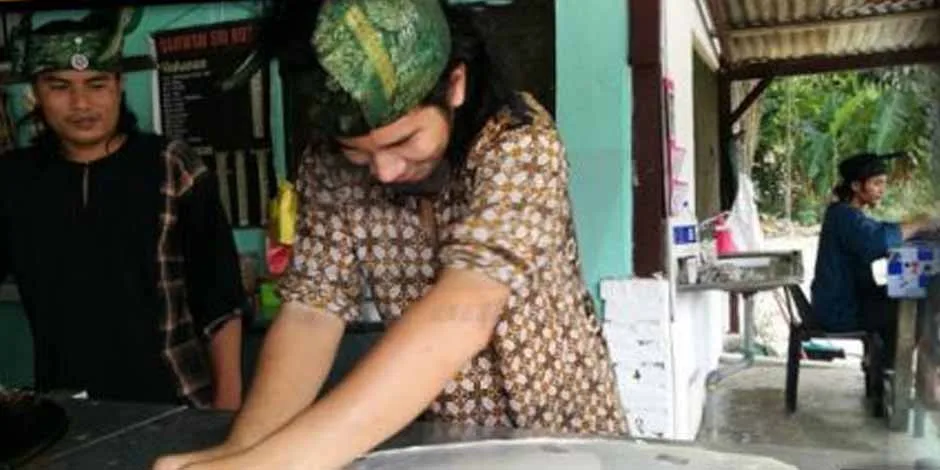
From the outside, it looks like any other ordinary stall, but once you step inside, you will experience a uniqueness unlike any other stall you have visited before. What is interesting about Qawwam Sri Bota is its uniqueness, which is worth sharing with everyone. The food and drinks at this stall are all prepared by staff wearing traditional Malay warrior attire. From the servers and drink preparers to the cooks, everyone wears traditional Malay clothing, except for the customers. It is clear that the staff at Qawwam Sri Bota take pride in wearing their complete traditional Malay outfits.
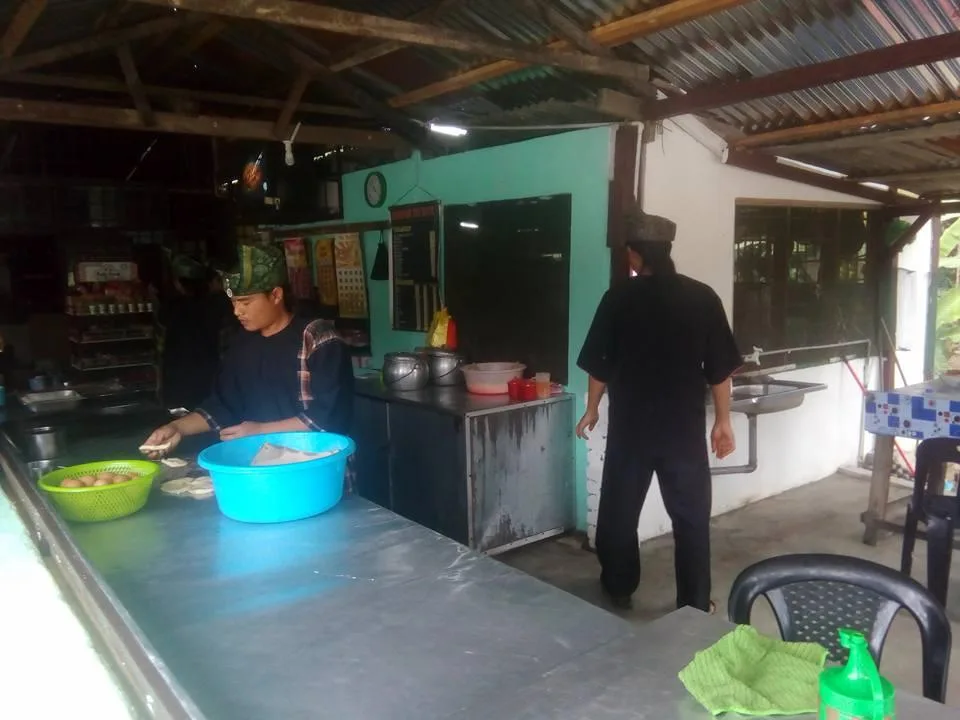
This unique touch has attracted local residents to stop by and dine at Qawwam Sri Bota, better known as the 'Warrior Stall'. The menu at this stall consists of simple, common dishes similar to other stalls. They also serve roti canai, which is a favorite breakfast dish for our community today. For our loyal readers at orangperak.com, please note that Qawwam Sri Bota, or the Warrior Stall, has been operating since 2015, and the staff began wearing traditional attire in 2016 to create a distinct identity compared to other stalls.
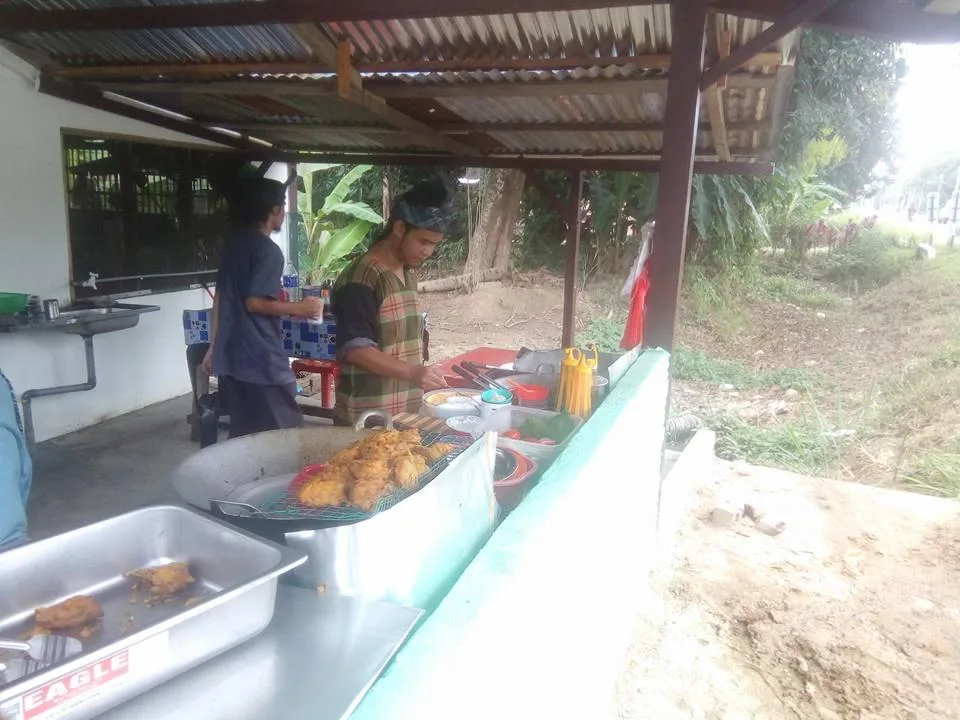
However, establishing a unique identity through traditional Malay attire is not their only goal; wearing these traditional clothes is something that has long been deeply ingrained in their spirits. Indirectly, they aim to elevate the dignity of the once-glorious traditional Malay culture so that it may be appreciated once again by our society today.
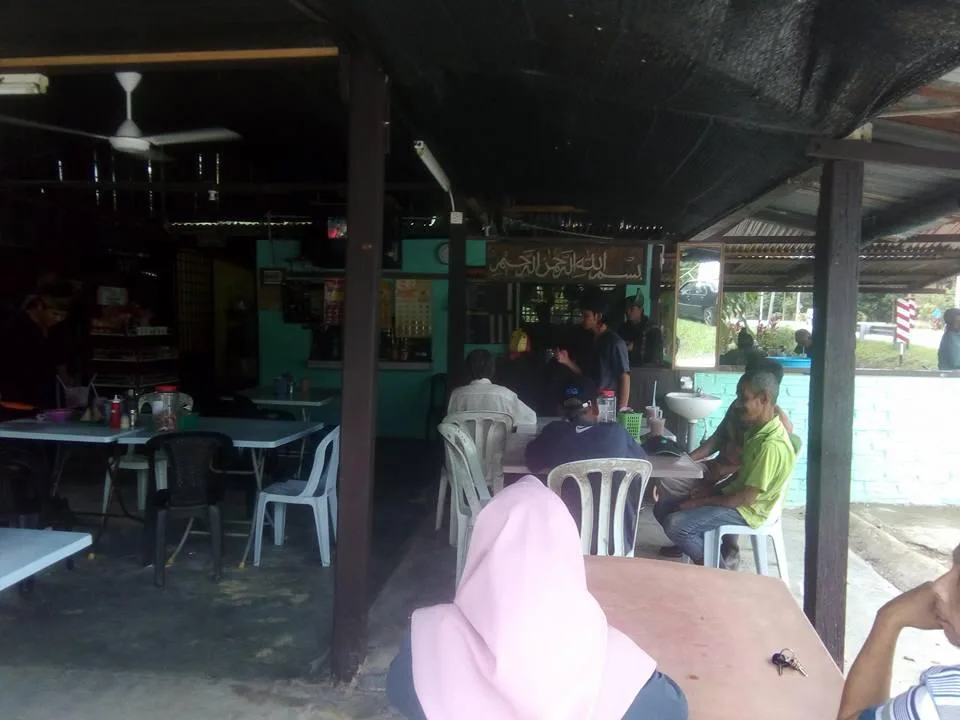
To reinforce this, the individuals involved are actually members of the Persatuan Kebudayaan dan Muzik Melayu Nusantara Malaysia (Dendang Anak), Perak branch, which is based at Pulau Misa in Kampung Teluk Kepayang, Bota Kiri. The association was established to help uphold Malay culture, not just through clothing, but through all aspects of life, including manners and human relations.
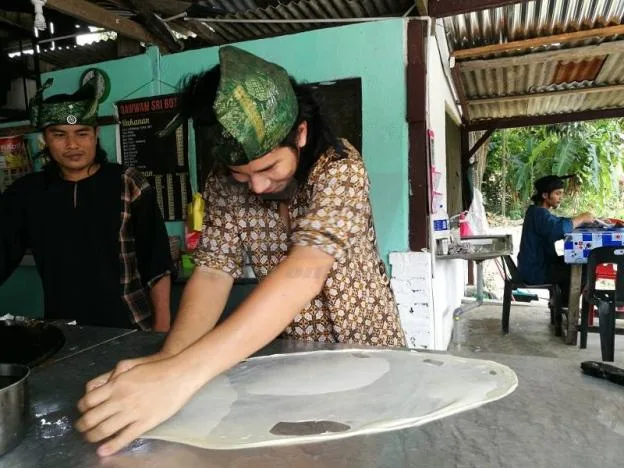
Their method of promoting Malay culture to the community deserves to be highlighted and praised, as our youth today are increasingly less interested in such matters. At the very least, this unique approach can spark interest among the youth to learn more about the foundations of traditional Malay customs so that they are not lost to time.