Bubur Roti Kapal, A Traditional Dessert Full of Nostalgia
Bubur Roti Kapal, A Traditional Dessert Full of Nostalgia
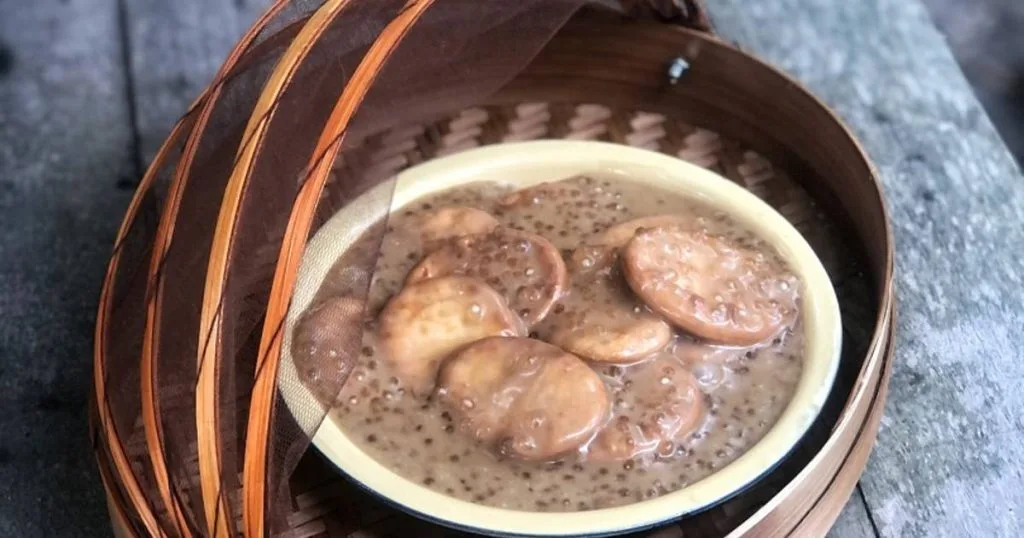
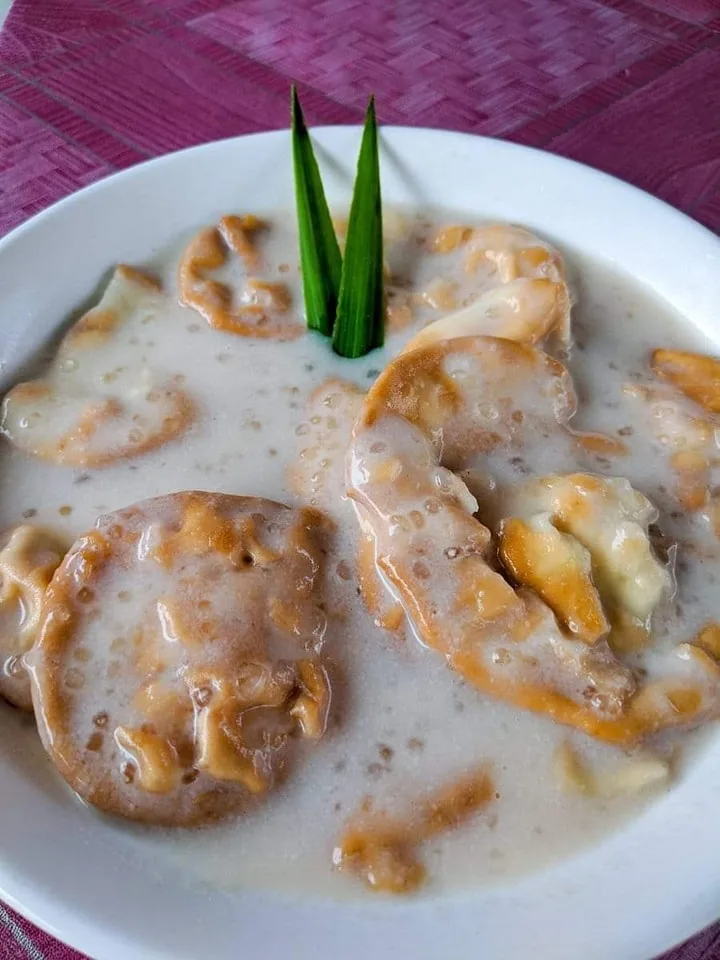
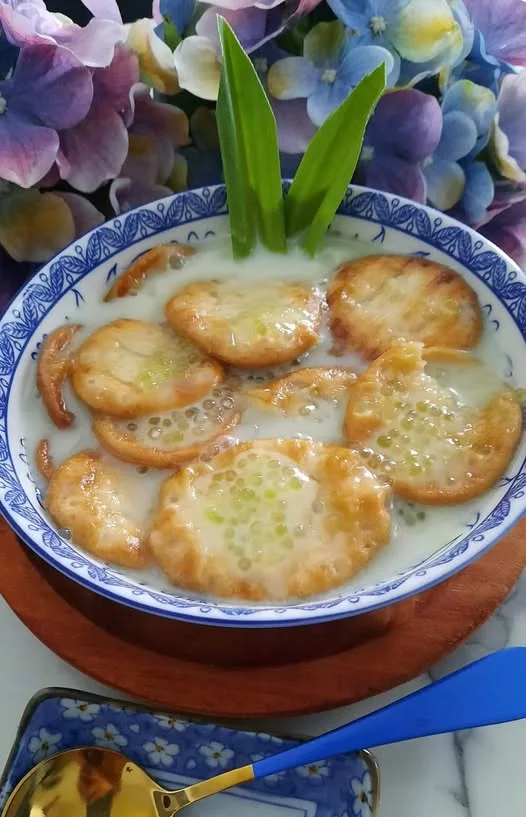
Bubur Roti Kapal, or also known as Pengat Roti Kapal, is a unique traditional dessert full of nostalgia. This dish may be less known to the younger generation today, but for those who have enjoyed it, Bubur Roti Kapal is a dish that reminds them of the old days.
This dish is not just food, but also reflects the simple and challenging life of the Malay community in the past.
The Origins of Bubur Roti Kapal
Bubur Roti Kapal originates from the Perak Tengah region, specifically around Kuala Kangsar, Parit, Bota, and Lambor. It is a popular dish among the locals and is often served as a dessert or an afternoon snack. The name "Roti Kapal" is taken from the type of bread used, namely 'roti kapal' or 'roti kapai', which has a rather hard texture and a long shelf life.
Main Ingredient: Roti Kapal
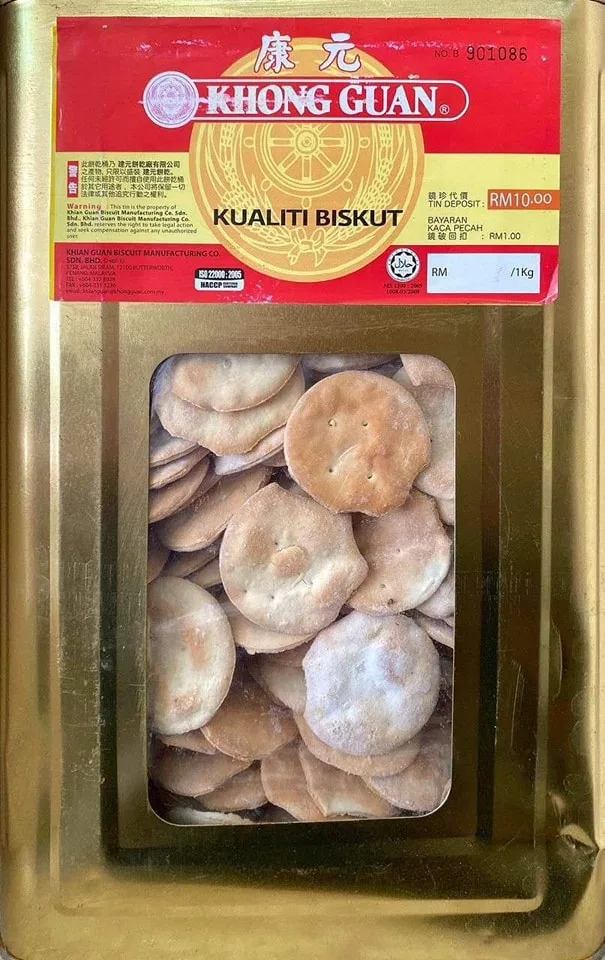
Roti Kapal is the main ingredient in this dish. This bread is a type of hard biscuit that lasts a long time and was often used by sailors or those traveling long distances in the past. However, nowadays, roti kapal is increasingly difficult to find in the market.
This makes Bubur Roti Kapal increasingly rare to produce. Some replace roti kapal with Osborne biscuits which are easier to find, but the taste is certainly different from the original.
How to Prepare Bubur Roti Kapal
The process of cooking Bubur Roti Kapal is actually quite simple, but requires some skill to get the perfect taste. Here are the basic steps to prepare this dish:
- Prepare the Coconut Milk Base: Heat water and use the coconut milk from one coconut. The coconut milk needs to be thick so the broth is tastier and creamier.
- Cook the Coconut Milk: Once the coconut milk is boiling, add the roti kapal into it. Stir briefly so that the bread blends well with the broth.
- Seasoning and Aroma: Add salt to taste and pandan leaves to add a fragrant aroma to the porridge.
- Add Sugar: Add white sugar according to your preference. The sugar will provide a sweetness that balances the creaminess of the coconut milk.
- Sago (Optional): If you like, you can add sago to the porridge to give it a more interesting texture.
After all ingredients are added, turn off the heat and let the roti kapal soften and expand on its own. This porridge can be served hot or cold, depending on your preference.
Nostalgia and Simple Living
Bubur Roti Kapal is not just a dessert, but it also reflects the simple life of the Malay community in the past. This dish is often considered "comfort food" for those who grew up in the 60s to 80s era.
At that time, life was full of simplicity and struggle. Foods like Bubur Roti Kapal were made with easily available ingredients, yet were full of flavor and meaning.
The Challenge of Finding Roti Kapal
One of the main challenges in preparing Bubur Roti Kapal today is the difficulty in obtaining the roti kapal itself. This bread is becoming increasingly rare in the market, and many are forced to replace it with other breads like Osborne biscuits.
However, this substitution cannot provide the same taste as the original. This makes Bubur Roti Kapal increasingly valuable and a dish that is slowly being forgotten.
Conclusion
Bubur Roti Kapal is a traditional dish full of nostalgia and history. It is not just a dessert, but also a symbol of the simple and challenging life of the Malay community in the past. Although its main ingredient is becoming harder to find, this dish remains a sweet memory for those who have enjoyed it.
If you have the opportunity to try or prepare Bubur Roti Kapal, make sure you appreciate every spoonful as a tribute to the rich and meaningful Malay culinary heritage.