The Mandi Safar Festival in Kampung Headwork, Teluk Intan
The Mandi Safar Festival in Kampung Headwork, Teluk Intan
The Malay people are known for their diverse culture and traditions passed down through generations. Furthermore, the Malays of the past had long embraced Hindu-Buddhist teachings before being introduced to Islam after traders and preachers from Arabia and India arrived in the Malay Archipelago.
However, after embracing Islam, there were still several customs rooted in previously held beliefs that continued to be practiced.
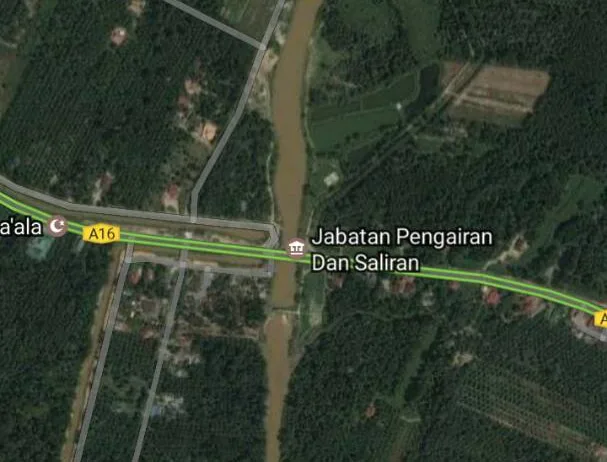
This time, orangperak.com would like to explore a celebration that we have long abandoned after being banned by religious authorities, namely the Mandi Safar Festival, which was once held at Kunci Air 12, Kampung Headwork, Labu Kubong, Perak.
Generally, this Mandi Safar ritual was practiced by the Malays of the past because they believed that the month of Safar was a month that brought bad luck and disaster.
According to Ibn Manzur (d. 711 H), 'Safar' refers to a disease in the stomach that causes the sufferer's face to turn yellow. The word also implies a snake that likes to strike. It also carries the meaning of hunger.
This belief was compounded by the claim that during the month of Safar, especially on the last Wednesday, Allah sends down many disasters to His creatures in this world.
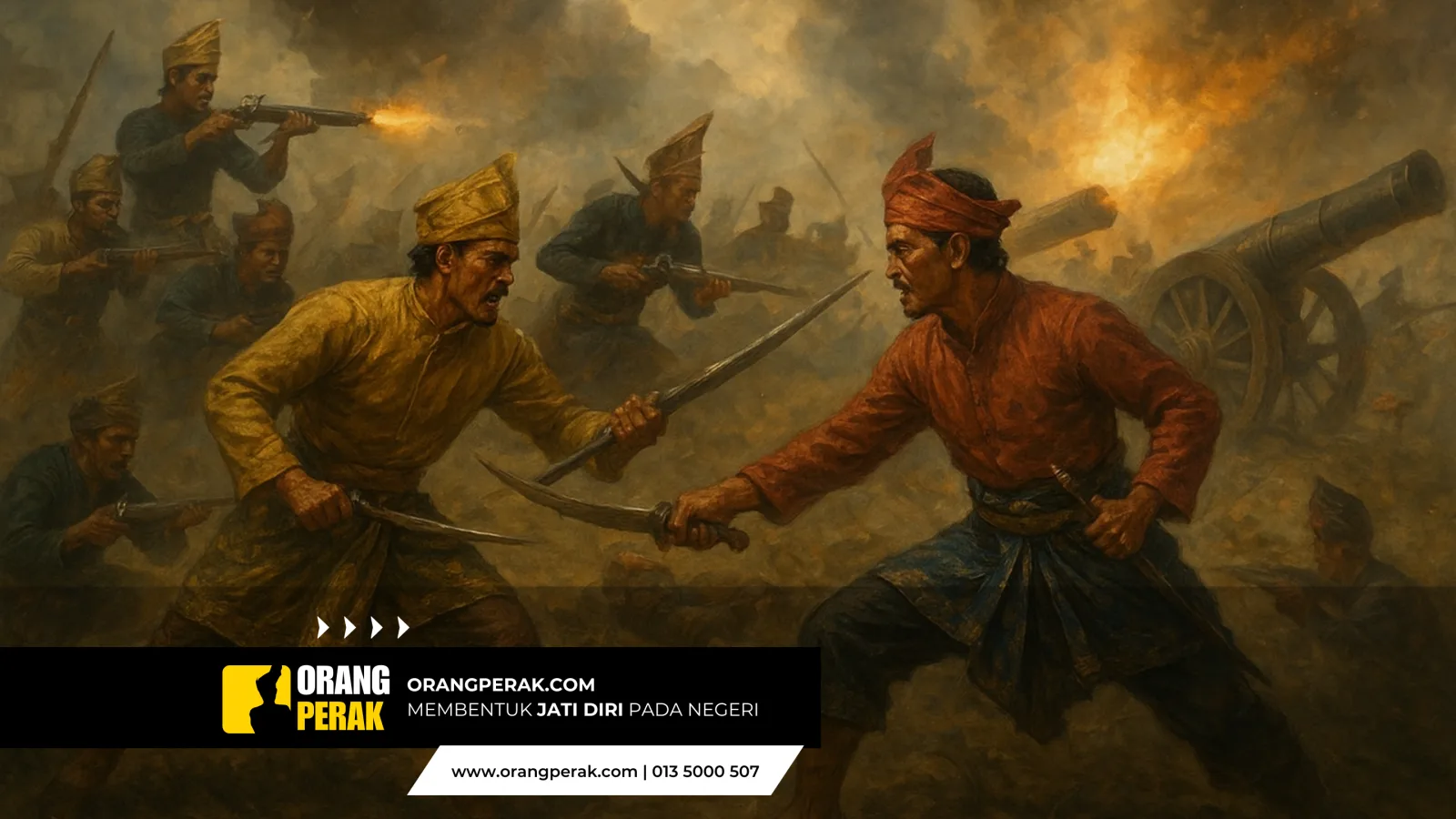
The Malay people, especially those living near rivers or beaches, would hold the Mandi Safar ritual by bathing in groups, accompanied by incantations and prayers.
The ceremony later became more festive, turning into an entertainment event with various sports and games held while the Mandi Safar ceremony took place.
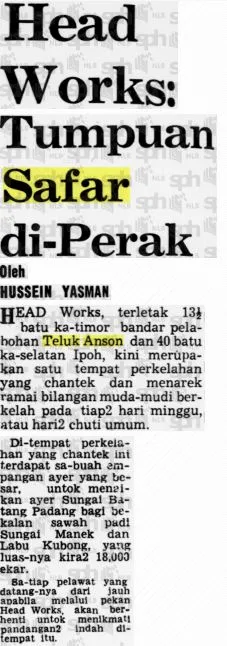
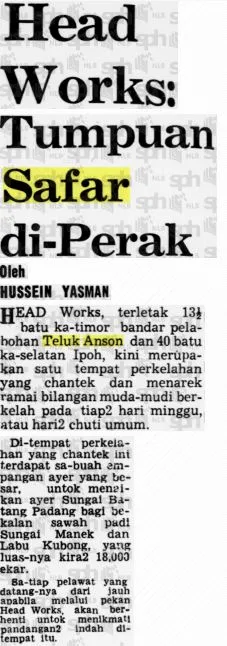
The Malays living in Chenderong Balai and Sungai Manik also held the Mandi Safar ceremony. This ceremony was held at Kunci Air 12, or better known as 'Head Work' or 'Hewok' by the local residents.
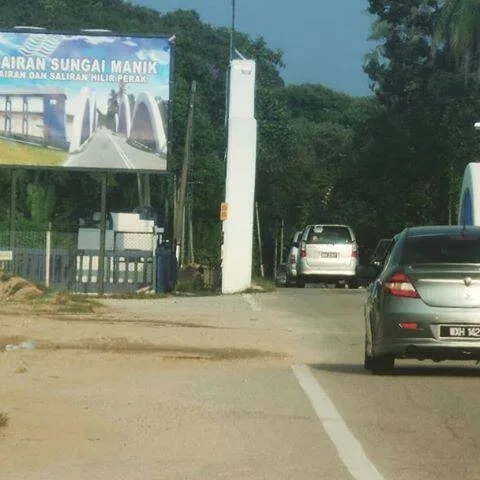
According to stories from local elders here, on the day of the Mandi Safar ceremony, those living in Chenderong Balai, Sungai Manik, Langkap, and even as far as Sabak Bernam and Sungai Besar, Selangor, would travel to Kunci Air 12 Head Work—which is about 3 miles from Sungai Manik—by cycling in large groups.
Some also arrived by taking buses that passed through Sungai Manik, namely buses from Teluk Anson (Teluk Intan) to Tapah. Sales stalls were also opened on that day, and various food and drinks were prepared for sale and enjoyed by the Mandi Safar participants, making the ceremony a festive and entertaining event for the local residents.
According to Berita Harian, it was estimated that 15,000 people from all corners of Perak came here to perform the Mandi Safar ritual. It was even considered an annual festival.

Rituals such as music, singing, incantations, and the recitation of specific dhikr would be played and read to accompany the ceremony. Then, religious teachers would appear to lead the Mandi Safar ceremony by reciting verses from the Al-Quran and dhikr, and soaking paper inscribed with diagrams—better known as 'wafak'—into the river as an opening act before the crowd began to bathe.
During the Mandi Safar ceremony, participants would bathe while reciting specific incantations while drifting scraps of Al-Quran verses and paper written with prayers. There were also a handful of participants who bathed with water from bottles that had been filled with paper written with Al-Quran verses, accompanied by incantations.
The scraps of Al-Quran verses that were drifted away would be carried by the current, but some would get stuck on the riverbanks, and it was not impossible for someone to step on those scraps.
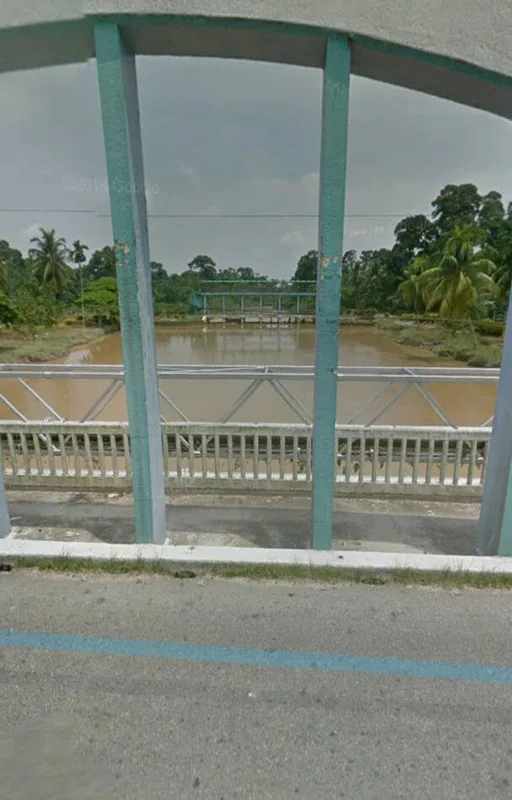
Kunci Air 12, Head Work, which was once a focal point for people to perform Mandi Safar, is now known as the 'McDonald Bridge' by local residents because the bridge is shaped like the letter "M" and is a preferred spot for river anglers. By the side of the bridge, there are also huts provided for anglers to take shelter from the hot weather or rain.
The practice of the Mandi Safar ceremony was once a large annual festival at Pantai Tanjung Keling, Melaka, in the past. Based on the belief that practicing Mandi Safar, fasting in Safar, and holding a special 'tolak bala' (warding off disaster) feast in the month of Safar could prevent bad things from happening, it is considered 'khurafat' (superstition) because there is no basis or reference source for where this belief originated.
There are a handful of people who write 'wafak' verses on paper or crockery, which are then placed in jars, ponds, wells, or rivers, and the water is then used for bathing or drinking, supposedly to avoid bad disasters on that day.
The Mandi Safar ceremony is supposedly held to celebrate and express gratitude because our Prophet Muhammad SAW recovered from a very severe illness. They also believe that by performing Mandi Safar, one can erase sins and ward off disasters.
Believing and regarding the month of Safar as a month that brings bad luck or disaster, and then writing 'wafak' for protection or intentionally drifting scraps of the Al-Quran, is a 'bid'ah' (innovation) and 'khurafat' (superstition) practice that was never taught by Prophet Muhammad SAW.
Believing in and practicing Mandi Safar is a major sin because, during the ceremony, men and women mingle freely without boundaries. In the ceremony, the risk of drowning due to negligence and carelessness is also very high. There have been reports of several drowning cases occurring while this ceremony was taking place.

We are asked to always increase good deeds from day to day regardless of the month. There is no special practice reserved for the month of Safar that was practiced by the Messenger of Allah SAW and his companions.
There are various beliefs and practices associated with the month of Safar. Among the superstitious beliefs of the Malays of the past associated with the month of Safar is that one cannot hold wedding ceremonies or gatherings because it could bring disasters such as:
- The couple will always face trials and will not be happy.
- The couple will find it difficult or will not have children.
- The couple's marriage will not last.
- Babies born in the month of Safar will have bad luck.
- The baby is believed to bring misfortune or bad luck.
- The baby is prone to illness and will not be healthy.
Red porridge and white porridge would be cooked and served to neighbors so that babies born in the month of Safar would not get sick and would not be struck by misfortune.
They also believed that owls were a sign of harm in this month. If someone encountered an owl while traveling in the month of Safar, they had to turn back because it was believed that if they continued their journey, they would meet with an accident.

Furthermore, they also believed that crows brought signs of death. If a crow hovered around the house area in the month of Safar, it was believed that a death would occur in the near future.
It was also believed that the last Wednesday was an unlucky day. On the last Wednesday of the month of Safar, parents in the past would usually try to prevent their children from doing activities outside the house because they believed that something bad would happen on that day.
After searching and examining, the 'matan' (text) referred to has its origins. The text states from Abu Hurairah r.a that the Messenger of Allah SAW said:
لا عَدْوَى وَلاَ طِيرَةَ ولا صَفَرَ وَلاَ هَامَّةَ
Meaning: "There is no contagious disease, there is no belief that animals provide benefit or harm, there is no bad luck in the month of Safar, and there is no belief in the arrival of disaster caused by owls."
Narrated by al-Bukhari (5770), Muslim (2220), Abu Daud (3913) in al-Sunan & Ahmad (3031) in Musnad.
In another version, it states: From Jabir bin Abdullah r.anhuma that the Messenger of Allah said:
لا عَدْوَى وَلاَ صَفَرَ وَلَا غُوْلَ
Meaning: "There is no spread of disease (naturally), there is no bad luck in the month of Safar, and there is no Ghul (a demon that can take various forms to mislead humans)."
Narrated by Muslim (2222), Ibn Hibban (6128) in his Sahih, Ahmad (15103) in Musnad.
Superstitious beliefs that contradict the 'aqidah' (faith) will lead to 'shirk' (polytheism) and will damage one's faith. It will affect deeds, where the deeds are not accepted by Allah SWT. Practicing it is a 'bid'ah dhalalah' (misguided innovation) and is forbidden (haram).
There are many more superstitious beliefs and practices related to this month of Safar according to certain areas and groups.

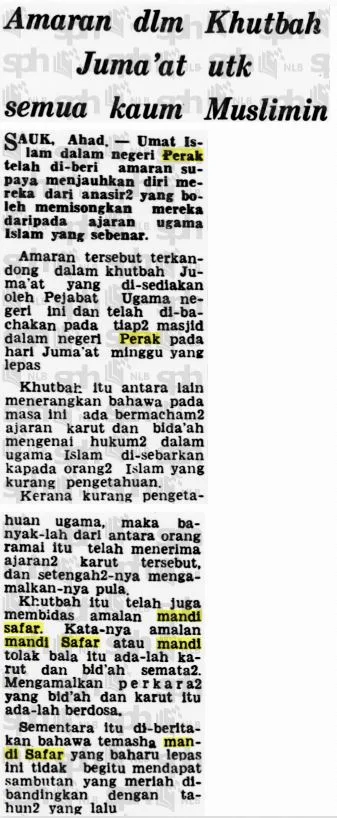
Approaching the 1960s, calls to abolish superstitious practices like Mandi Safar grew stronger. In fact, on July 29, 1963, Berita Harian reported that in the state of Perak that week, the Friday sermon had warned the people of Perak not to perform the Mandi Safar ritual and reminded the people that it was a 'bid'ah', superstitious, and a major sin.
On July 9, 1963, Berita Harian reported that the Deputy Mufti of Johor, Dato’ Dr. Abd. Jalil Hassan, stated that these ceremonies were 'bid'ah and nonsensical'. The Mufti of Singapore also issued a fatwa that Mandi Safar was haram because it contained elements of shirk.
However, this ritual was still practiced by Muslims until the 1980s. While serving as Minister of Education, YB Dato’ Seri Anwar Ibrahim (DSAI) carried out efforts to save the faith of Muslims by removing the topic of 'Mandi Safar' from primary school 'Tata Rakyat' (Civics) textbooks. He wrote a circular letter so that the topic of Mandi Safar would no longer be taught in schools.
Therefore, religious knowledge based on the Al-Quran and as-Sunnah is the scale to evaluate everything whether it is in accordance with Sharia or otherwise. With the efforts of religious scholars and the blessing of Islamic awareness among the Malay community, this ceremony was successfully eradicated little by little. Now, the Mandi Safar ceremony is no longer practiced by the Malay community.
References:
- Berita Harian
- Federal Territory Mufti Office
- ABIM, Mandi Safar Between Custom and Sharia