Sultan Mahmud Iskandar Shah (11th Sultan of Perak)
Following the death of Sultan Muzaffar Shah II in 1653, his son, Raja Mahmud, was installed as the 11th Sultan of Perak with the title Sultan Mahmud Iskandar Shah, who resided in Geronggong.
Because Sultan Mahmud Iskandar Shah had no sons, his younger brother, Raja Mansur, who resided in Pulau Tiga, was appointed as the Sultan Muda and became known as Yang Dipertuan Muda Mansur Shah. Yang Dipertuan Muda Mansur Shah had 6 sons: Raja Radin, Raja Inu, Raja Bisnu, Raja Daha, Raja Abdul Hamid, and Raja Su. Yang Dipertuan Muda Mansur Shah passed away in Pulau Tiga before his elder brother during the reign of Sultan Mahmud Iskandar Shah as the 11th Sultan of Perak, and he was posthumously titled Marhum Mangkat di Pulau Tiga. In December 1653, Joan Truijtman returned to Perak and established a treaty with the Perak state government. The terms of the agreement made by Joan Truijtman with the late Sultan Muzaffar Shah II were also applied to this new treaty. The treaty discussed terms for the Perak state government to grant land to the Dutch for the construction of a factory or warehouse for their trade. The Dutch Company was also granted the right to wholesale tin in Perak at fixed prices and taxes.

The Perak state government was also requested to pay for all damages incurred by the Dutch during attacks by the Malays in 1651, during the reign of Sultan Muzaffar Shah II (the 10th Sultan of Perak). The treaty made in 1653 was not strictly upheld by the Perak state government, which led the Dutch Company to return to negotiate a third treaty with the Perak government, with terms and demands similar to the previous one. Although a new treaty was signed, the Perak state government did not take it seriously. Much of the tin produced in Perak was sent to Aceh rather than sold to the Dutch. Consequently, many Perak locals smuggled tin out to be sold to other nations. Because these events occurred and the established treaty was not followed, the Dutch eventually abandoned their factory in Perak. As a result, the Dutch began blocking ships from other nations that intended to trade in Perak and Aceh. Not stopping there, the Dutch also seized any merchandise from foreign ships they encountered in the waters between Perak and Aceh. This action by the Dutch intimidated foreign traders from entering Perak and Aceh to conduct business. To end the conflict between Perak and the Dutch, a peace treaty was established by the Aceh government with the Dutch Company in 1659. After the peace treaty, the Dutch began buying tin in Perak again. According to the treaty, only Aceh and the Dutch were permitted to purchase tin in Perak. However, cases of tin smuggling by Perak locals to other traders continued because the purchase price set by the Dutch Company for tin was not profitable. Once again, the Dutch closed their factory in Perak at the end of 1663 due to the hostility and frequent quarrels with the Malays in Perak. The Dutch then continued to block ships from other nations that wanted to buy tin in Perak. After the Dutch factory in Perak had been unused for two years, the Dutch Company returned to Perak in 1665 and reopened their factory. This time, the arrival of the Dutch resulted in Perak being strictly monitored by a Dutch naval fleet at the mouth of the Perak River.
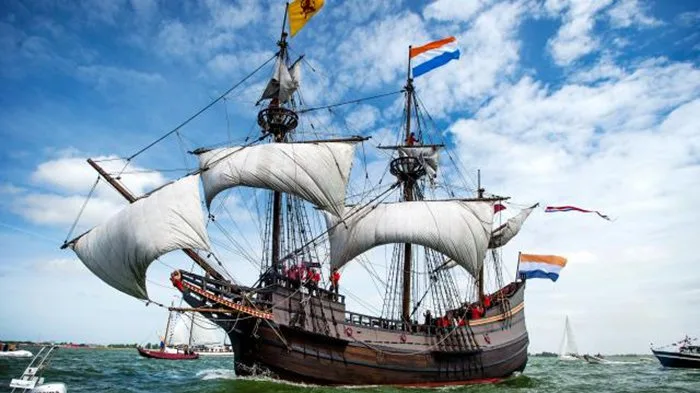
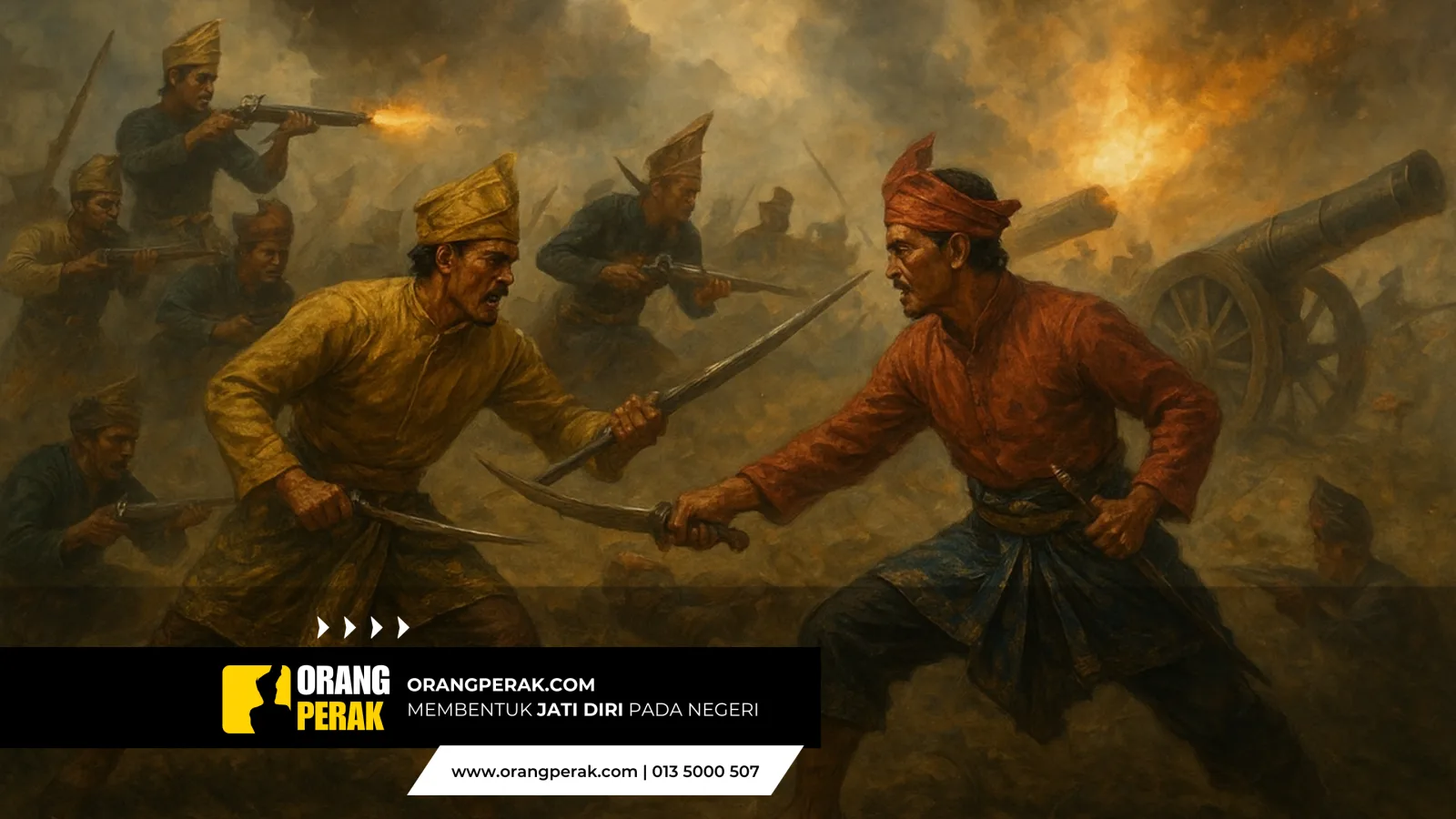
In 1670, the Dutch Company authorities in Batavia ordered the senior Dutch officials in Malacca to take control of Pulau Pangkor and build a warehouse made of wood, fearing that the island would be seized by the British. Several attacks were carried out by the Malays against Dutch ships sailing in the seas and rivers of Perak. Consequently, the Dutch increased their patrols along the coast and rivers of Perak. In 1678, 59 Dutch personnel were assigned to guard the coast of Perak. Two years later, in February 1680, Sultan Mahmud Iskandar Shah sent his high-ranking officials as envoys to Malacca to express his friendship with the Dutch Company. The Sultan of Perak later granted a letter of authority to a Dutch chief (Adriaen Wylant) residing at the mouth of the Perak River in April 1680, at the request of the Dutch Governor in Malacca. The letter of authority granted power to arrest and imprison anyone leaving Perak with tin without a permit, and if the person resisted, they could be killed. In 1680, most of the Dutch warehouses on Pulau Pangkor were replaced with stone structures. The effect of the authority granted by Sultan Mahmud Iskandar Shah to the Dutch led to very strict control over Perak, to the point that the Dutch Company's business began to decline in 1682. In 1690, a group of Malays led by Panglima Kulub attacked the Dutch Fort on Pulau Pangkor. This situation resulted in the loss of many Dutch lives, and the fort was subsequently abandoned by the Dutch until 1745. At the beginning of the 18th century, the Perak state government was no longer under the protection of the Aceh government. This was because the Aceh government had become increasingly weak, having been ruled by queens four times in a row since 1641.
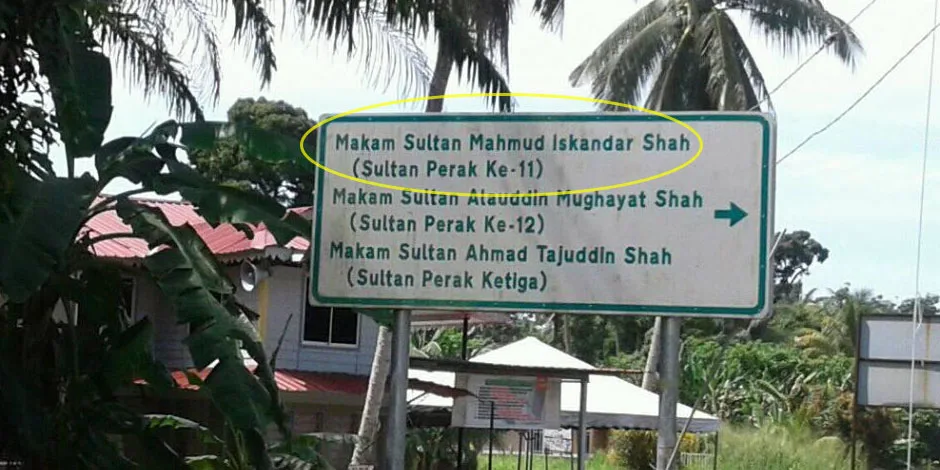
Sultan Mahmud Iskandar Shah ruled Perak for 67 years. He passed away in 1720 at the age of 120 and was laid to rest in Geronggong. Sultan Mahmud Iskandar Shah was the longest-reigning Sultan of Perak, having been installed at the age of 53.
- Sejarah Perak, Buyung Adil, p. 21