Panjut: Lighting Up Aidilfitri with a Fading Tradition
Panjut: Lighting Up Aidilfitri with a Fading Tradition
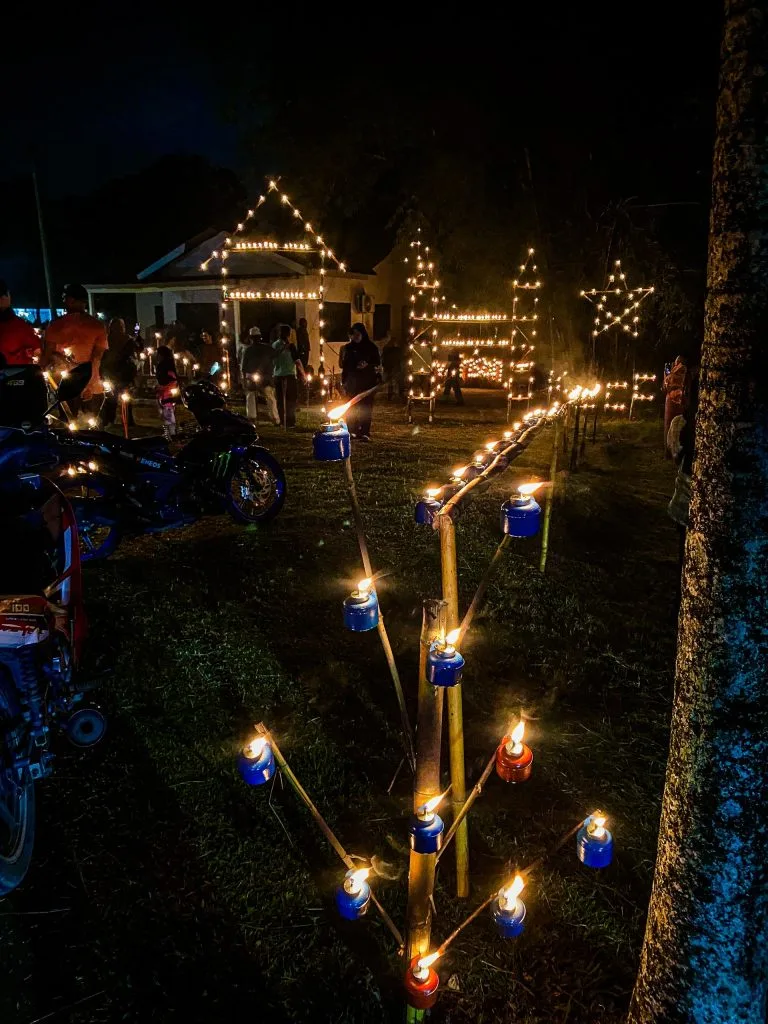
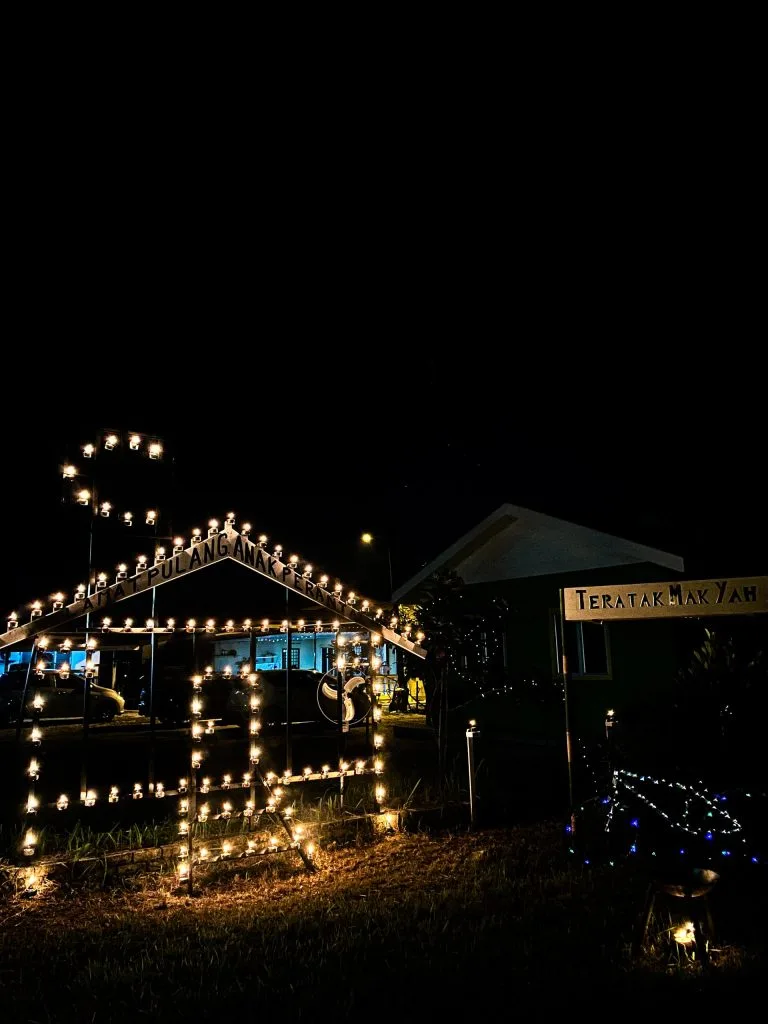
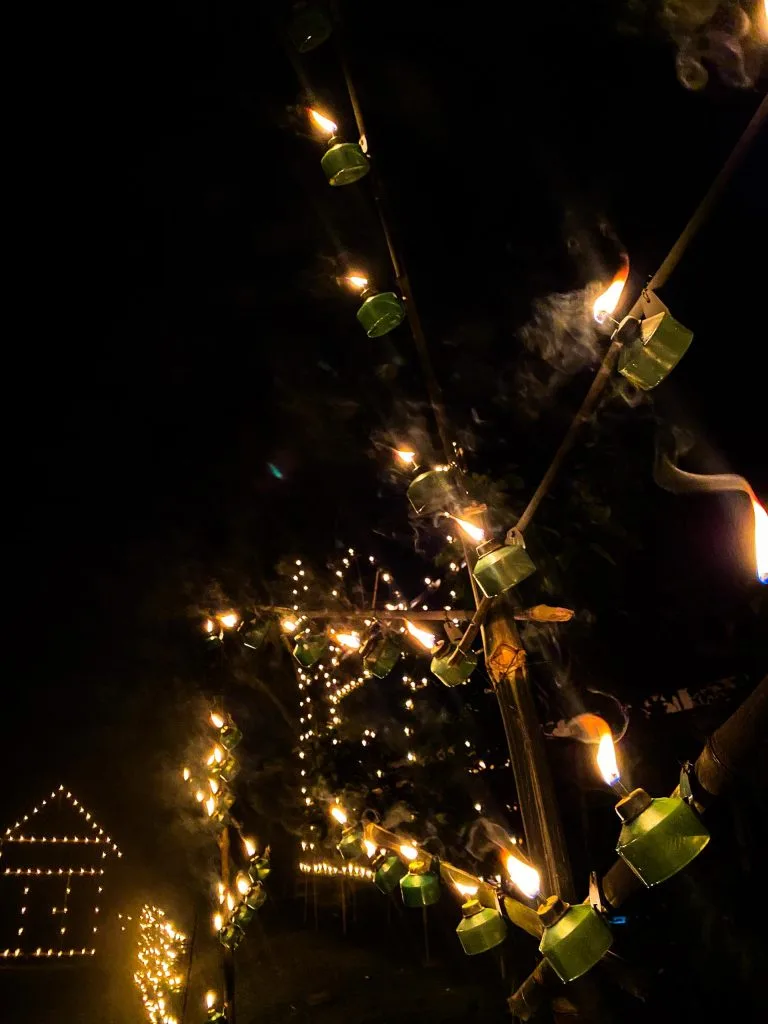
As dusk falls before Aidilfitri, the atmosphere in villages across Malaysia, especially in the state of Perak, transforms. Rows of shimmering oil lamps are hung on long bamboo poles, forming panjut—a traditional decoration that has become a hallmark of the joy in celebrating Hari Raya.
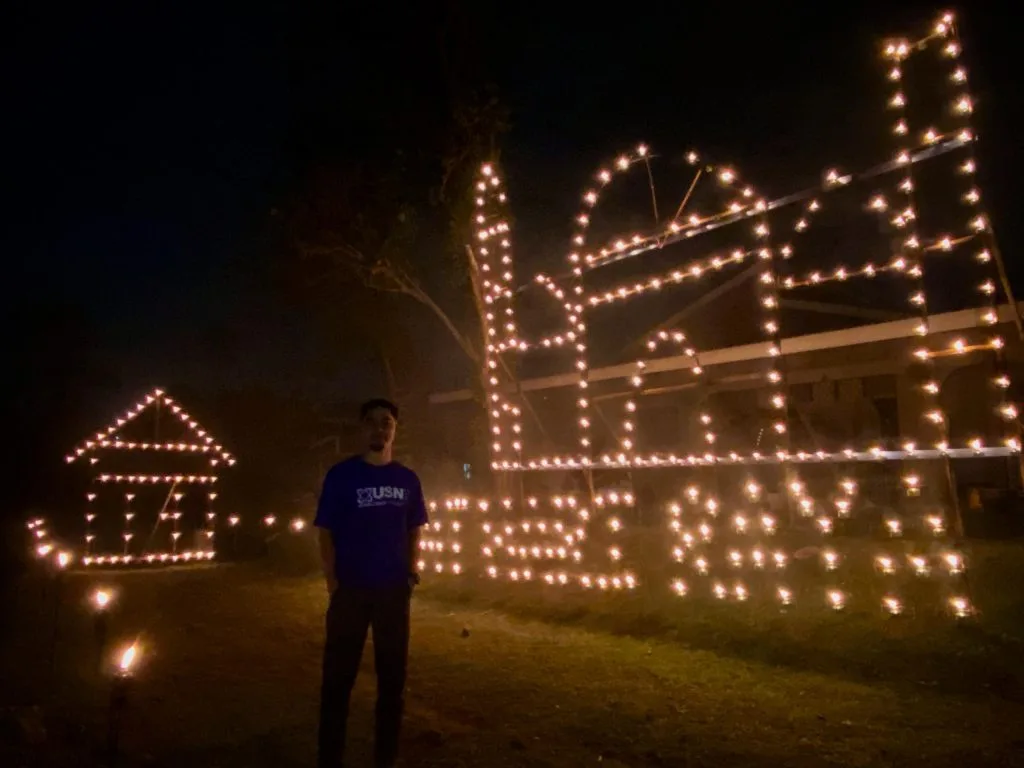
Every house competes to create the most creative designs, from sturdy KLCC towers to elegant mosques with glowing crescents and stars. The light of the panjut is not just a decoration, but a symbol of pride, harmony, and the spirit of gotong-royong (community cooperation) that is becoming increasingly rare in this modern era.
Panjut: More Than Just Oil Lamps
Panjut is not merely an arrangement of ordinary lamps. It is a fusion of art, belief, and community skill. The wicks are filled with kerosene or diesel, providing a consistent flame throughout the night. Its designs often reflect the community's identity—some take the shape of national landmarks, religious symbols, or meaningful traditional Malay patterns.
The taller and longer the panjut, the more impressive it looks. Some panjut reach heights of 6 meters, requiring scaffolding for installation. The spacing between the panjut is also carefully planned to create a stunning visual effect. The cost to produce one panjut can reach RM600 to RM1,000, depending on the size and complexity of the design.
Gotong-Royong: A Fading Spirit
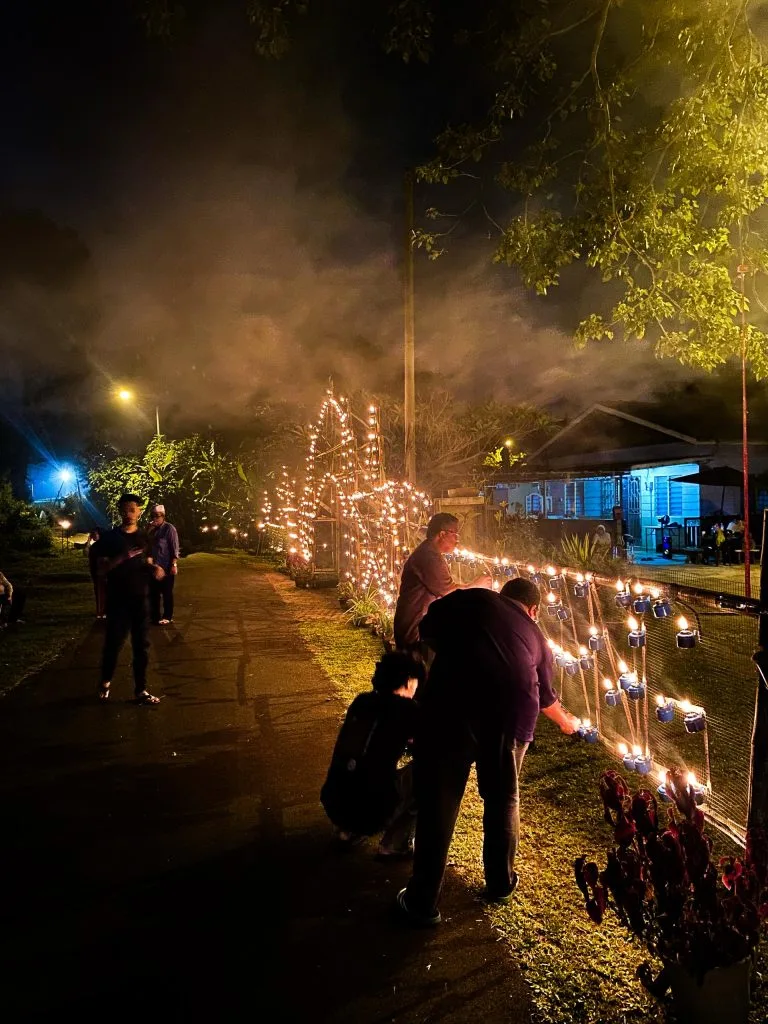
One of the unique aspects of the panjut tradition is the spirit of gotong-royong that unites the community. Several weeks before Aidilfitri, villagers gather to prepare the panjut together. The men carve and assemble the bamboo, while the women and children help decorate and install the lamps. This atmosphere of cooperation not only enlivens the Aidilfitri preparations but also strengthens social bonds.
However, in reality, this tradition is eroding. Many of the younger generation are more comfortable with practical modern LED lights, while those living in cities rarely return home early enough to participate. Gotong-royong activities are now mostly supported by the elderly who still hold firmly to tradition.
Panjut Competitions: Reviving the Tradition
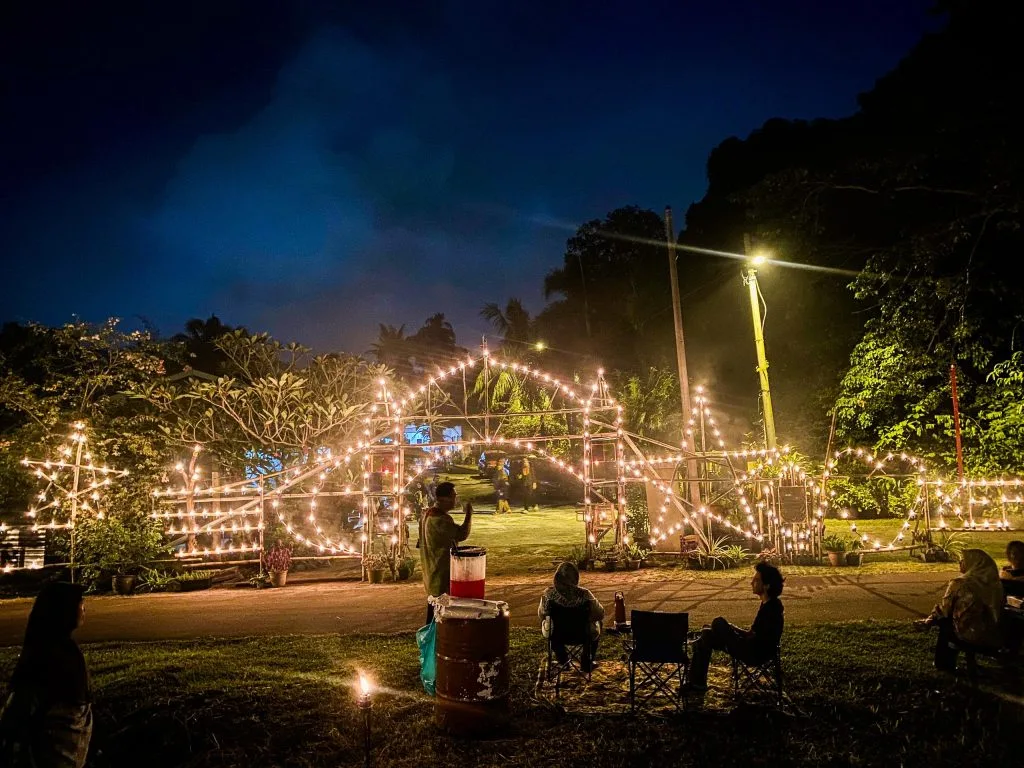
To ensure panjut is not forgotten, some villages hold competitions for the best panjut. Substantial cash prizes are provided by village heads or authorities as an incentive. The judging night becomes a major attraction—streets are packed with visitors wanting to witness the uniqueness of each panjut. Some are decorated with colorful lights, while others feature stunning 3D designs.
Such competitions are not just about prizes, but also an effort to preserve heritage. As the Malay proverb goes, "Tak lekang dek hujan, tak lapuk dek panas" (neither weathered by rain nor rotted by heat), the panjut tradition must continue to live on despite changing times.
Panjut and Aidilfitri Nostalgia
For those who grew up in the village, panjut brings back sweet memories. Its light does not just illuminate the road, but also the hearts of relatives returning home for the holidays. Some share stories of how they used to run around under the panjut, or sit together enjoying Aidilfitri delicacies while gazing at the beauty of the flickering lights.
Now, with the rapid advancement of technology, panjut might seem outdated. However, its value cannot be replaced by modern decorations. It is a cultural heritage that should be defended—a symbol of simplicity, creativity, and the spirit of togetherness.
The Future of Panjut: Can This Tradition Survive?
The question is, will panjut continue to shine in the future? With high costs and a lack of participation from the younger generation, this tradition might one day vanish. However, efforts such as competitions, cultural documentation, and awareness campaigns can help preserve it.
The government and NGOs can also play a role by providing financial assistance or organizing panjut-making workshops. If this tradition is turned into a tourist attraction, it can not only be maintained but also become a source of income for the community.
Conclusion: Panjut as a Symbol of Unity
Panjut is more than just a decoration—it is a reflection of the Malay community's soul: creative, persistent, and united. Within its light, a thousand meanings are stored: the joy of Aidilfitri, the longing for one's hometown, and the hope that this tradition will not be extinguished by time.
Perhaps one day, our children and grandchildren will only know panjut through pictures and stories. But as long as there are those who keep it alive, panjut will continue to light up Aidilfitri with an irreplaceable meaning.
Let us make panjut not just a memory, but a heritage that continues to shine.
Original piece by Ali Imran Bin Zaheruddin