Getting to Know Sultan Iskandar Shah, a Pious Ruler
Perak is truly a prosperous state, blessed with fair Sultans who have always cared for their people since time immemorial.
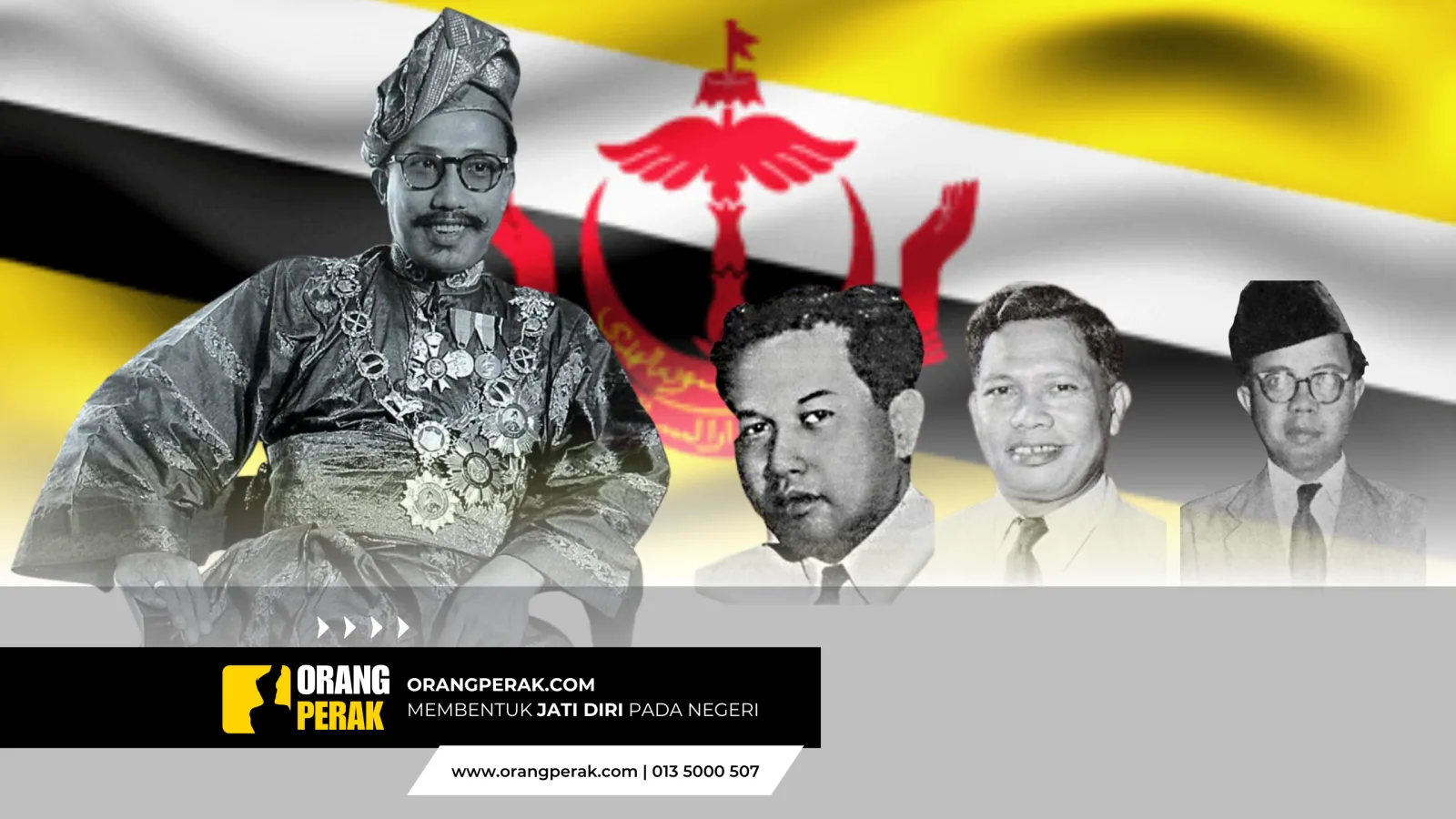
The great leadership inherited from the era of the Malacca Sultanate is indeed a blessing for the people of Perak. This time, orangperak.com will touch upon the story of the 30th Sultan of Perak, who possessed a noble personality and placed great importance on the teachings of Islam. He was Paduka Seri Sultan Iskandar Shah, who ruled the State of Perak Darul Ridzuan from 1918 to 1938. Born on May 10, 1876, in Kampung Kuala Keboi, Kampar, Perak, he was given the name Raja Alang Iskandar ibni Almarhum Sultan Idris Mushidul A'zam Shah. He began his schooling at the Central English School in Taiping. He received his early education at the Central School Taiping (now King Edward VII School Taiping) and later continued his studies at Balliol College, Oxford, England.
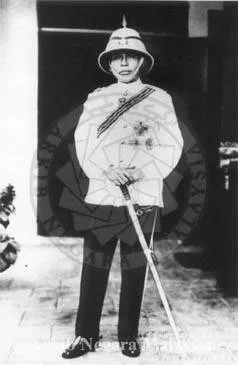
In 1902, he returned to Perak with his father, Sultan Idris Shah I, after his father concluded his visit to England. Upon returning to his homeland, he served as an officer in the State Secretariat Office in Taiping. In 1906, he served in the police force and was soon appointed as Assistant Commissioner of Police in Kuala Lumpur. His hobbies included football, hockey, and cricket. He was also a member of the Selangor state polo team and the Federated Malay States polo team. Even after being crowned Sultan of Perak, he remained a skilled polo player and established a Perak state polo team in Kuala Kangsar. While he was serving in the police force, his father, Sultan Idris, passed away. Due to his father's passing, his elder brother, Raja Abdul Jalil, was crowned as the new Sultan of Perak, and he was appointed as the Raja Bendahara of Perak. It was Allah's will that his brother, Paduka Seri Sultan Abdul Jalil Karamatullah Shah, passed away on October 26, 1918, after nearly two years on the throne. Subsequently, Raja Alang Iskandar was crowned as the new Sultan of Perak and assumed the title Sultan Iskandar Shah. Known as a Sultan with the people at heart, he was one of the Malay Rulers who most strongly supported the establishment of the Malay Regiment within the Federated Malay States. He also strongly urged the British administration to restructure the administrative powers of the Federated Malay States, which were heavily controlled by the Resident-General in Kuala Lumpur, so that power could be returned to the Sultans, Residents, and the respective State Councils. This demand was conveyed by the Sultan himself to the Colonial Secretary at the Colonial Office in London in 1924, and he succeeded in this endeavor. During his reign, history was made when the British returned the territory that was once part of the Straits Settlements administration—the Dinding district (now Manjung) and Pulau Pangkor—to the State of Perak. The Perak government, represented by Sultan Iskandar Shah himself, signed the Territorial Cession Agreement with the British in February 1935. The state government also paid compensation of RM86,850 to the British government for the acquisition of buildings, roads, bridges, and properties owned by the British administration. Sultan Iskandar Shah was also a Sultan who placed great emphasis on religious affairs among his people. He enjoyed the company of religious teachers and once studied under Shaikh Haji Mohammad Salleh at Istana Bukit Chandan. Sultan Iskandar was said to be so fond of his teacher that he often dined with the religious scholar. Due to his encouragement of the development of Islam in Perak, several religious figures chose to establish Islamic institutions in Perak, including Maahad Ehya Al Syariff in Gunung Semanggol, Al Huda in Matang Kunda, Madrasah Irsyadiah and Al Ulum in Bagan Datuk, Al Akhlak Islamiah in Masjid Tinggi, Bagan Serai, and many other religious schools.
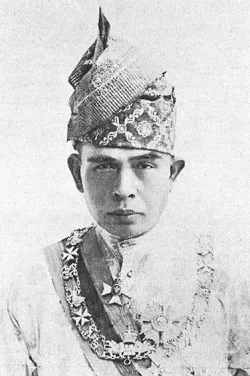
He also frequently visited mosques and suraus throughout the state of Perak and often gave sermons on Islam to the public. Sultan Iskandar was also known to be strict in religious matters. There is a story from the elders in Teluk Intan that during the month of Ramadan, Sultan Iskandar once hung a coconut shell around the neck of someone caught eating in public and fined them by ordering them to eat grass on the Teluk Anson field or run around the field while being watched by the public. He also once told his people that a man would be cursed if he did not attend Friday prayers without a valid reason. He personally monitored his subjects who did not attend Friday prayers. On page 121 of the Risalah Iskandar, a copy of his letter to his Private Secretary, Y.A.M. Raja Harun Al-Rashid, is included, stating: "Brother Raja Harun P/S, please inform the kadis and penghulus that it is mandatory for them to earnestly instruct their subordinates in their respective districts to perform the five daily prayers and Friday prayers, and they are required to submit a report on this religious matter every three months. Any of my subjects who do not wish to perform the five daily prayers and Friday prayers, you may submit their names to me as soon as possible, and I will go to that mukim to address the matter. Any kadis and penghulus who object or are lacking in their efforts regarding this task, God willing, will face great trouble, as will all the deputies who are required to carry this out. The end." His firmness was also evident when, in Lambor Kanan, he once placed his hand firmly on the stomach of a deviant teacher and said with great anger, "The devil resides in your stomach!" Not long after, that person passed away. Interestingly, Sultan Iskandar also tested the religious scholars in Perak. There is a story that one day, Paduka Seri Sultan Iskandar Shah called the scholars of Perak to break their fast at the Palace. Before it was time to break the fast, he called on all those present to eat. All of them remained silent, not daring to object. However, Haji Nawawi then stood up and told him: "If Your Highness wants to go to hell, go alone." The Sultan praised Haji Nawawi's courage in reprimanding him and then scolded the silent scholars, saying, "It is fortunate that in Perak there is still someone who dares to reprimand me!" His courage in curbing vice inspired his people so much that they did not dare to commit sins openly.
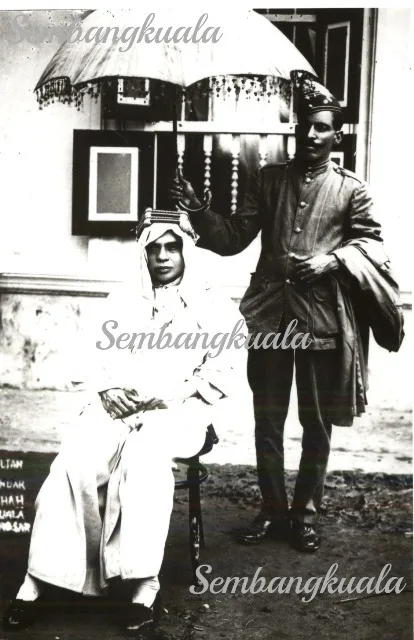
After ruling the State of Perak gloriously for nearly 20 years, he finally passed away on August 14, 1938, and was laid to rest at the Al-Ghufran Royal Mausoleum in Kuala Kangsar. Indeed, he left behind a fragrant legacy due to his noble character and personality, which became an example for the people. In memory of the late Sultan Iskandar, we include his advice from the Risalah Iskandar, which he authored himself: "...whoever among the Kings, Dignitaries, Kadis, and Penghulus wishes to be favored and liked by their King, they must be obedient and earnest in carrying out what is required by God and abandoning what is forbidden by Him. They must teach and guide their subordinates on these matters... They must remember this era. This is what we favor... Please do so, gentlemen..."