
Apam Kuala, The Unique Traditional Perak Kuih That Captures Hearts
Apam Kuala, The Unique Traditional Perak Kuih That Captures Hearts
Apam Pasang, or better known as Apam Kuala, is a traditional kuih originating from the state of Perak, specifically the Kuala Kangsar district. This kuih is not just a light snack, but a symbol of cultural heritage that remains relevant to this day.
Although the world is becoming increasingly modern with various electronic devices and advanced technology that simplify food preparation, the aroma and taste of Apam Kuala, cooked in the traditional way, remain unmatched. Its uniqueness and authenticity make this kuih a popular choice, especially for those who appreciate traditional flavors.

An Alluring Aroma and Taste
One of the main attractions of Apam Kuala lies in its fragrant and natural aroma. The production process, which uses traditional materials like banana leaves and firewood, provides a very special scent that differs from kuih cooked using modern technology.
The banana leaves used as a base during steaming not only serve as a wrapper but also contribute to an appetizing fragrance. This aroma can evoke nostalgia, especially for those who enjoyed it during their childhood or while attending traditional events such as wedding feasts or community gatherings.
The taste of Apam Kuala is equally impressive. This kuih has a mild sweetness, not too overpowering, making it suitable as a light snack at any time. Typically, this apam is served with grated young coconut mixed with a little salt.
This combination of sweet and savory flavors creates a harmony that delights the palate. Additionally, Apam Kuala can also be enjoyed with curry, sambal tumis, or any other dipping sauce according to individual preference. This versatility makes the kuih even more special and suitable for various tastes.

Origins and Name
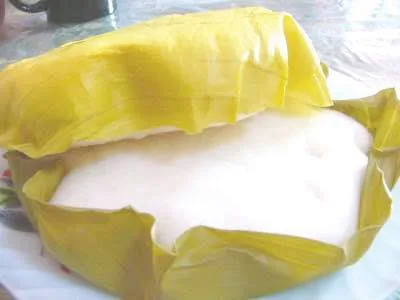
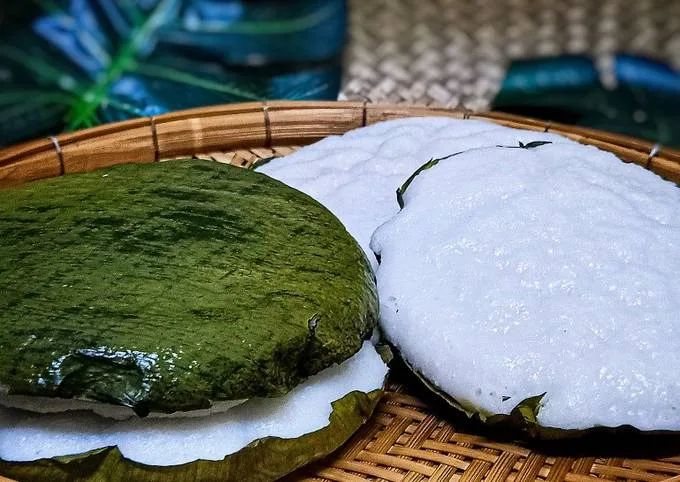
Apam Kuala gets its name from the Kuala Kangsar district, a royal town in Perak famous for its unique culture. The name "Apam Pasang" refers to its preparation method, where two pieces of apam are joined together (a pair) after being cooked. This combination not only provides a unique appearance but also maintains the moisture and softness of the apam.
This kuih has long been a part of life for the community in Kuala Kangsar and its surroundings. It is not just a dish, but a symbol of warmth and family ties. Apam Kuala is often served at social events such as wedding feasts, thanksgiving ceremonies, or during the month of Ramadan as an iftar dish.
Its presence at such events shows how deeply this kuih is embedded in the culture and traditions of the local community.

A Unique Production Process
Apam Kuala has a production process that is quite different from other types of apam. Its main ingredient is rice that must first be fermented with yeast starter (ragi). This fermentation process gives the apam a soft and fluffy texture. Unlike regular apam that uses commercial yeast, the use of ragi in Apam Kuala provides a more unique and natural flavor.
In addition to fermented rice, rice flour is also a basic ingredient in making this kuih. Rice flour is chosen over wheat flour because it provides a softer texture that suits local tastes. Before being steamed, the apam batter is placed on cleaned banana leaves.
These banana leaves not only serve as a base but also provide a refreshing aroma and further enhance the deliciousness of the kuih.
Advantages and Uniqueness of Apam Kuala
One of the advantages of Apam Kuala is its softness, which remains even after being left for a day. This is the result of the traditional production process that is still maintained today. Unlike modern kuih that often uses preservatives, Apam Kuala relies entirely on techniques and natural ingredients to maintain its quality.
In terms of appearance, Apam Kuala originally only had one shape: round. However, with the passage of time, this kuih has undergone slight transformations in shape to attract the younger generation.
Today, Apam Kuala can be found in various shapes such as squares, hearts, or according to the maker's creativity. Nevertheless, the original taste and natural white color of the kuih are maintained without any added coloring.
Availability and Popularity
Apam Kuala might be somewhat difficult to find outside the Kuala Kangsar district. However, if you visit this town, the kuih is very easy to find at roadside stalls, night markets, or traditional kuih shops. Its popularity has never faded; in fact, it is increasingly gaining attention from tourists who want to experience the uniqueness of traditional Malay kuih.
For those who have long left their hometown, Apam Kuala is not just a dish, but a way to bring back memories. Its aroma and taste can transport them back to their childhood, recalling sweet memories with family and friends.
This is what makes Apam Kuala more than just a kuih; it is part of an identity and heritage that must be preserved.

Conclusion
Apam Pasang or Apam Kuala is proof that the beauty and uniqueness of tradition will not fade with time. Although the world is becoming more advanced, this kuih remains a popular choice because of its authenticity and special qualities. The meticulous production process, the use of natural ingredients, and the alluring taste make Apam Kuala a Malaysian culinary treasure that must be protected and cherished.
So, if you have the opportunity to visit Kuala Kangsar, don't forget to try this traditional kuih and enjoy an experience full of nostalgia and deliciousness.
Reference :
- Berita Harian, Apam Kuale, 6 April 2017


